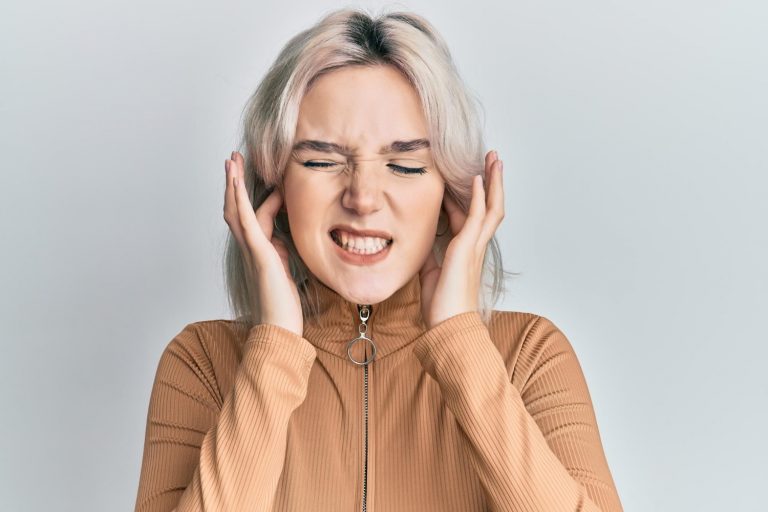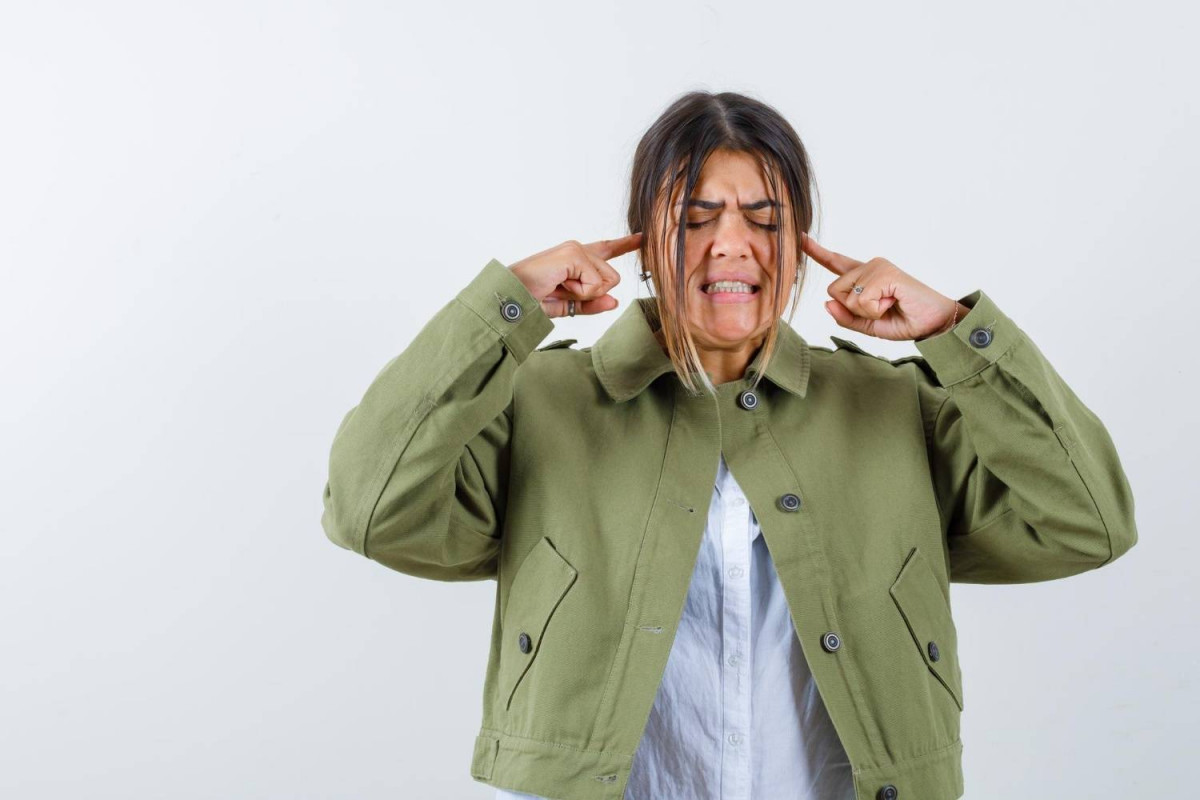

Concerts are exhilarating experiences that immerse attendees in a world of sound and energy. However, the thrill of live music often comes with a hidden risk: exposure to high decibel levels that can lead to permanent hearing damage. Many concertgoers underestimate the importance of protecting their ears, thinking that the loudness is just part of the experience. The truth is, even a single night of loud music can result in temporary or permanent hearing loss. This guide aims to empower you with the knowledge to choose the right earplugs, ensuring that you can enjoy your favorite artists without compromising your hearing health.
The risk of hearing damage is not limited to the concert environment. Regular exposure to loud sounds in daily life can accumulate, leading to noise-induced hearing loss. It is crucial to take proactive measures to protect your ears. Earplugs designed for concerts are specifically crafted to reduce sound intensity while preserving sound quality. This means you can still enjoy the music without the harshness that can cause damage. Understanding the types of earplugs available and how they function is essential for making an informed choice.
Choosing the right earplugs can be overwhelming, given the variety of options available. Factors such as material, design, and noise reduction rating all play a role in ensuring effective hearing protection. This guide covers practical applications, common mistakes to avoid, the science behind ear protection, and how to select the best product. By the end, you will be well-equipped to make an informed decision that prioritizes your hearing health.
In this detailed exploration, you will discover actionable insights and tips that can enhance your concert-going experience while safeguarding your ears. Your hearing is precious, and taking the time to understand how to protect it is a step towards a healthier lifestyle.
Contents
How to Use Earplugs for Real Results
- Best Form: Soft silicone or foam
- Best Time: 30 minutes before the concert
- Expected Result: Reduced sound levels without distortion
For Daily Protection
The Prep: Choose high-fidelity earplugs made of soft silicone. These earplugs often come with different filters that allow for various levels of sound attenuation. Gather your earplugs, a clean surface, and a small carrying case for convenience.
The Action: Insert the earplugs gently into your ears. Start by rolling the foam or positioning the silicone to ensure a snug fit. Hold the earplug in place for a few seconds to allow it to expand and seal your ear canal properly.
The Feeling: You may notice a slight pressure as the earplugs fit snugly. Sounds will be noticeably quieter, yet you should still be able to enjoy the concert without losing clarity. This sensation can last for several hours, protecting your ears throughout the event.
Pro Tip: Always carry a pair of earplugs in your bag for spontaneous outings or concerts.
Targeting Acute Pain
The Prep: If you often experience discomfort from loud environments, opt for earplugs with a higher noise reduction rating. Ensure they are clean and free from debris before use.
The Action: Insert the earplugs before entering the venue. This preemptive step will help mitigate the impact of sudden loud sounds. Adjust the fit as necessary to ensure maximum comfort and effectiveness.
The Feeling: Initially, you may feel a slight warmth from the earplugs. The reduction in noise will provide relief from the discomfort of loud sounds, allowing you to focus on enjoying the performance. This feeling of relief can last throughout the concert.
Pro Tip: Consider custom-molded earplugs for tailored comfort and functionality.
The Nighttime Routine
The Prep: If you plan to attend multiple concerts over a weekend, bring multiple pairs of earplugs. Having a backup can be beneficial in case one pair gets misplaced or damaged.
The Action: Before the concert starts, take a moment to adjust your earplugs for optimal fit. If you feel any discomfort, remove and reposition them until you find a comfortable seal. This will ensure that you experience the maximum benefit.
The Feeling: A well-fitted earplug should feel almost unnoticeable. You may experience a sense of calm as the overwhelming noise levels are significantly reduced. This comfort can enhance your overall enjoyment of the concert experience.
Pro Tip: Use a small carrying case to keep your earplugs clean and accessible.
Avoiding Common Pitfalls
Using Low Quality Earplugs
Low-quality earplugs may seem like a cost-effective solution but can lead to discomfort and inadequate protection. Cheap materials may not provide a proper seal, allowing harmful sound levels to penetrate. This can result in a false sense of security, putting your hearing at risk.
Investing in high-quality earplugs designed specifically for concerts ensures you receive the protection needed. Look for products with a noise reduction rating and materials that do not irritate your ears. Quality earplugs can significantly enhance your overall experience while safeguarding your hearing.
Neglecting to Test Fit
Many concertgoers fail to adequately test their earplugs before the event. A poor fit can lead to discomfort and reduced effectiveness. If earplugs do not fit properly, they may not provide the intended noise reduction, exposing your ears to damaging sound levels.
Always take the time to insert and adjust your earplugs before the concert begins. Ensure they form a tight seal in your ear canal. This simple step can prevent discomfort and enhance your listening experience.
Not Considering the Type of Music
Different genres of music can have varying sound levels and frequencies. Some earplugs may be better suited for specific types of concerts. For instance, earplugs designed for electronic music may attenuate sound differently than those meant for acoustic performances.
Before purchasing earplugs, consider the type of concerts you frequently attend. Research products that cater to your preferred genres, ensuring you have the best protection for each experience.
The Science of Hearing Protection
Understanding the biological mechanisms behind hearing loss is essential for appreciating the importance of ear protection. Loud noises can damage the hair cells in the inner ear, leading to permanent hearing loss. These hair cells play a crucial role in transmitting sound signals to the brain. When they are damaged, the ability to hear diminishes, making it vital to protect them.
Key compounds in earplugs, such as soft silicone or foam, are designed to absorb sound waves and reduce the intensity of noise reaching the inner ear. These materials help to maintain sound clarity while providing the necessary protection from harmful decibel levels. This balance is crucial for enjoying live music without risking hearing health.
Research supports the effectiveness of earplugs in preventing noise-induced hearing loss. Studies show that regular use of ear protection can significantly reduce the risk of permanent damage. For further insights into clinical evidence regarding hearing protection, refer to PubMed.
Choosing the Right Product
- Potency: Ensure the earplugs have an appropriate noise reduction rating. This rating indicates how effectively they can reduce sound levels, which is crucial for concert environments.
- Purity: Look for earplugs made from hypoallergenic materials. This minimizes the risk of irritation and ensures comfort during extended use.
- Form: Consider the design of the earplugs. Custom-molded options provide a better fit and can enhance sound quality while protecting your hearing.
Benefits vs Risks
| The Benefits | Potential Downsides |
|---|---|
| Reduces the risk of permanent hearing damage. | May cause discomfort if not fitted properly. |
| Allows for enjoyment of music without distortion. | Some may feel isolated in a loud environment. |
| Variety of options available for different needs. | Lower quality options may not provide adequate protection. |
Habits for Healthy Hearing
Incorporating regular hearing check-ups into your routine can help monitor your auditory health. Schedule appointments with an audiologist annually to assess your hearing and receive personalized advice on protection strategies.
Limiting exposure to loud sounds in daily life can also contribute to long-term hearing health. Consider using earplugs in noisy environments such as construction sites or when using power tools.
Who Should Avoid This?
- Individuals with existing ear conditions or infections.
- Those who are allergic to silicone or foam materials.
- People with a history of ear surgery should consult a healthcare provider before use.
Common Questions
How do I know if I need earplugs?
If you frequently attend concerts or events with loud music, earplugs are advisable to protect your hearing.
Can I use regular foam earplugs?
Regular foam earplugs can be used, but high-fidelity earplugs are specifically designed to maintain sound quality while providing protection.
How often should I replace my earplugs?
Replace earplugs regularly, especially if they show signs of wear or if they become difficult to clean.
Are custom earplugs worth the investment?
Custom earplugs offer a better fit and can significantly enhance comfort and protection, making them a worthwhile investment for frequent concertgoers.
The Bottom Line
Prioritizing your hearing health is essential for enjoying live music safely.
- The Truth: Many concertgoers risk their hearing by neglecting ear protection.
- The Strategy: Use high-fidelity earplugs specifically designed for concerts.
- The Next Step: Make a habit of carrying earplugs to every event.
Get Your FREE Natural Health Guide!
Subscribe now and receive our exclusive ebook packed with natural health tips, practical wellness advice, and easy lifestyle changes, delivered straight to your inbox.