Adding Moringa To Oatmeal For Morning Vitality
Morning routines set the tone for the entire day. Many people struggle to find a balance between speed and quality during breakfast. Adding moringa to oatmeal provides a practical way to integrate plant based nutrition into a standard bowl of grains.
This green powder offers a concentrated source of various plant compounds. Incorporating it into a hot cereal base makes it accessible for daily consumption. The neutral flavor of cooked oats hides the earthy notes of the leaf powder well.
Adding moringa to oatmeal works by stirring one teaspoon of dried leaf powder into a cooked bowl of steel cut or rolled oats. This simple step introduces iron and vitamins into your first meal without requiring extra preparation time.
Key Takeaways
- Moringa oleifera leaves contain iron levels that often range from 2 to 28 milligrams per 100 grams of dried powder.
- Fiber content in traditional oatmeal helps maintain satiety for 3 to 4 hours after a meal.
- Standard servings of this leafy green additive offer significant amounts of Vitamin A and calcium according to National Institutes of Health data.
I started mixing this green powder into my porridge last year. My energy levels felt more consistent during morning hours compared to my previous routine.
Nutritional Profile Of The Moringa Plant
This plant species originates from regions in India and Africa. It grows rapidly and produces nutrient dense leaves. Many cultures utilize the foliage as a regular food source due to its high density of plant chemicals.
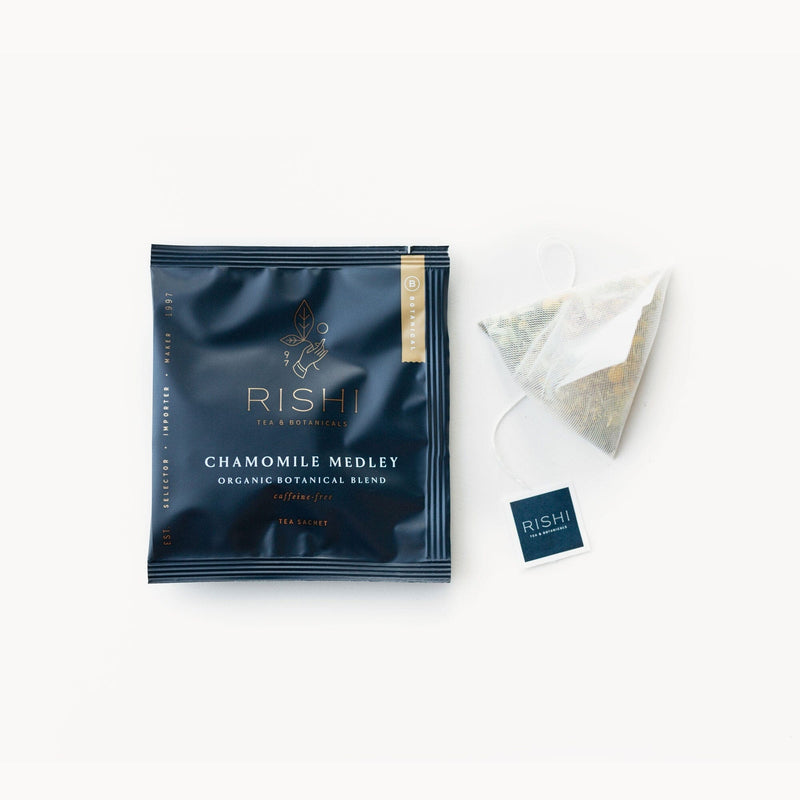
Rishi Chamomile Medley™ Botanical Blend
- Targeted botanical blend designed to work with your body's natural evening rhythms
- Supports a calm state of mind and consistent physical relaxation after a high-demand day
- Formulated for a smooth evening transition without relying on heavy synthetic sleep aids
Research from the National Library of Medicine highlights the concentration of essential amino acids within the leaf. These building blocks support regular body functions. The drying process retains most of these beneficial compounds for long term storage.
Vitamins Found In The Leaves
The leaves provide a broad spectrum of fat soluble vitamins. Vitamin A supports vision and immune function. The body absorbs these nutrients effectively when eaten with the healthy fats present in oats or added toppings like nuts.
The Role Of Mineral Content
Calcium and magnesium stand out as primary minerals in these leaves. These substances help maintain structural integrity in bones. Integrating this powder into your morning meal ensures a small but steady intake of these elements.
Scientific Perspectives On Morning Nutrition
Breakfast habits impact blood sugar regulation throughout the day. Oats provide complex carbohydrates that break down slowly in the digestive tract. This slow release avoids spikes in energy that often lead to mid morning crashes.
Combining these carbohydrates with the density of the green powder creates a balanced meal. The fiber in the grain acts as a carrier for the powder. This combination supports regular digestion for most individuals.
Preparation Mechanics And The Science Of Taste
Cooking grains changes their starch structure. Adding the powder after the boiling process keeps the delicate compounds intact. High heat exposure for long periods can degrade certain heat sensitive vitamins.
The texture of the grain helps mask the slightly bitter or earthy taste of the herb. Most users report that a small amount creates a pleasant flavor profile. You can balance the taste with fruits like berries or bananas.
Calculations For Daily Nutrient Intake
Understanding the math behind your breakfast helps with portion control. A standard half cup of dry oats contains about 150 calories. One teaspoon of the green leaf powder adds roughly 10 calories.
The following table outlines the approximate nutrient profile when you combine these two staples. These values reflect raw averages for informational purposes.
| Component | Amount per Serving | Common Use |
| Oats | 0.5 Cup Dry | Fiber Source |
| Moringa | 1 Teaspoon | Micronutrient Boost |
| Total | 160 Calories | Full Breakfast |
The Intersection Of Fiber And Plant Compounds
Soluble fiber in oats helps keep cholesterol levels within a standard range. Data from the Department of Agriculture supports the regular intake of whole grains. This fiber interacts with the plant compounds from the leaves to create a diverse gut environment.
The Mechanical Action Of Digestion
Fiber moves through the small intestine and reaches the colon relatively intact. It serves as food for healthy bacteria in the lower digestive tract. This process aids in the removal of waste products from the body.
Nutrient Synergy In The Gut
Plant leaves contain unique substances that differ from those found in grains. When combined, these substances provide a wider array of protection for intestinal walls. This interaction supports regular waste elimination for the average person.
Addressing Potential Side Effects
Most individuals tolerate these botanical additions without issues. However, starting with a small amount allows the digestive system to adjust. Large amounts can cause loose stools in some people due to the high fiber content.
Consultation with a professional remains essential for those with specific health conditions. The concentration of certain compounds may interfere with specific physiological balances. Listen to your body and observe how you feel after each meal.
Practical Strategies For Daily Consistency
Store your powder in a cool and dark place to maintain quality. Airtight glass jars prevent moisture from clumping the fine particles. Keep the container away from the stove to avoid heat damage.
- Morning Batch Cooking: Prepare enough oatmeal for three days at once. Add the green leaf powder during the final reheating stage.
- Topping Variations: Use walnuts or seeds alongside the powder. These additions provide extra texture that complements the fine consistency of the herb.
- Sweetener Choices: A touch of honey or maple syrup balances the earthy profile of the plant material. This makes the flavor more palatable for beginners.
Frequently Asked Questions
Can children eat this combination?
Most children can enjoy this blend as part of a varied diet. It provides a simple way to introduce different plant flavors to their palates. The small quantity usually poses no risk for healthy individuals.
Parents should ensure the child does not have allergies to the plant or the grains. Start with a very small pinch to observe reactions. Always choose high quality organic sources to ensure the purity of the leaf powder.
Does cooking destroy the nutrients?
Moderate heat exposure does not eliminate all benefits from the plant material. While certain compounds are heat sensitive, the minerals remain stable. You can stir the powder into the bowl after cooking to retain maximum nutritional value.
The integrity of the leaf powder holds up well in warm environments like a bowl of porridge. Most research suggests that the benefits still accrue even with minimal exposure to cooking temperatures. Focus on freshness rather than extreme heat avoidance.
How much should a person use daily?
One teaspoon per day is a standard starting point for most adults. This amount provides enough nutritional density without overwhelming the digestive system. You can gradually move to a tablespoon if your body tolerates it well.
Moderation remains the goal for all dietary additives. Excess consumption can lead to stomach upset due to the fiber and mineral content. Use this as a supplement to a balanced diet rather than a replacement for whole foods.
Is it safe to consume this long term?
Healthy adults generally find no issues with long term consumption. The plant has a long history of use in various culinary cultures. It acts more like a traditional food than a temporary health intervention.
Periodically rotate your additives to ensure a diverse intake of plant chemicals. Using the same supplement for months without pause is rarely necessary for the average person. Variety in the diet remains the best way to support ongoing wellness.
What is the best time of day for this?
Breakfast serves as the best time to integrate this into your routine. It allows you to start your day with a focused nutrient intake. The steady release of energy from the grains helps sustain you until your next meal.
Consuming it in the morning also establishes a consistent habit. You are more likely to remember your routine when it occurs at the same time every day. This creates a predictable flow to your morning schedule.
The Bottom Line
Adding moringa to oatmeal is an efficient way to enhance your breakfast routine with plant nutrition. This combination provides fiber and minerals in a simple, palatable format. It supports your body through a steady release of energy and a diverse intake of plant compounds. Always prioritize quality sources and start with small portions to gauge your tolerance. This practice is not intended for those with underlying health conditions or those taking specific medications. Consult a licensed healthcare provider before starting any new wellness routine.
Get Your FREE Natural Health Guide!
Subscribe now and receive our exclusive ebook packed with natural health tips, practical wellness advice, and easy lifestyle changes, delivered straight to your inbox.