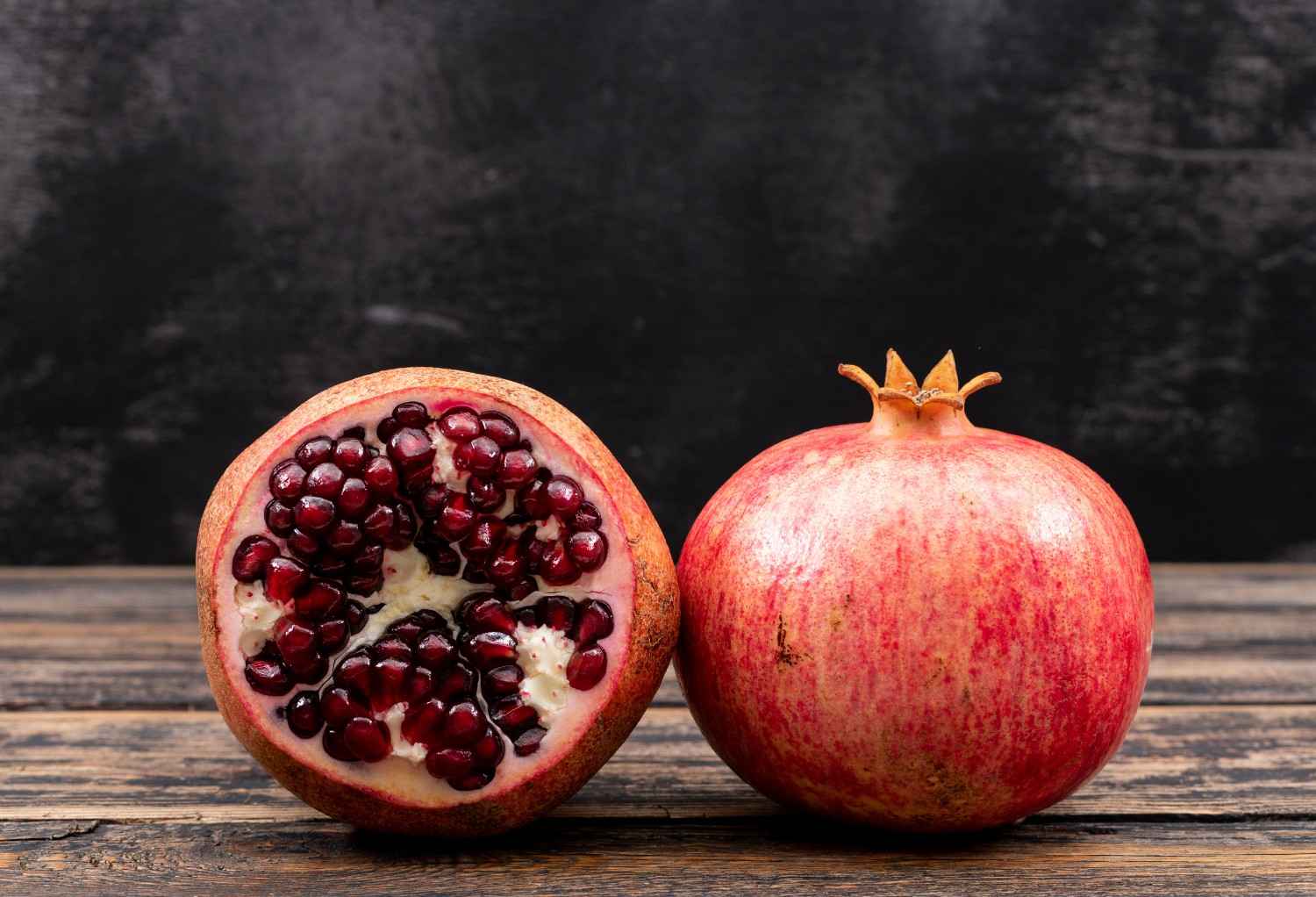

Pomegranate has emerged as a noteworthy contender in the quest for enhanced mitochondrial health and longevity. Mitochondria, often referred to as the powerhouses of the cell, are responsible for converting nutrients into energy. As we age, mitochondrial function tends to decline, leading to decreased energy levels and increased susceptibility to age-related diseases. The challenge lies in finding natural methods to support mitochondrial function and longevity, an area where pomegranate shines.
This vibrant fruit is packed with antioxidants and bioactive compounds that contribute to its health benefits. The potential of pomegranate to support mitochondrial health is rooted in its rich composition of polyphenols, particularly punicalagins and anthocyanins. These compounds not only act as antioxidants but also have anti-inflammatory properties that may protect mitochondrial DNA from oxidative stress. This is crucial, as oxidative damage is a significant factor in the aging process and mitochondrial dysfunction.
Incorporating pomegranate into your daily routine can be a practical solution to enhance mitochondrial health. Whether consumed as juice, in supplement form, or as whole fruit, the benefits can be substantial. However, understanding how to effectively integrate pomegranate into your diet requires a clear strategy.
This guide will delve into the multifaceted role of pomegranate in supporting mitochondrial longevity, offering practical applications, scientific insights, and tips for maximizing its benefits. By understanding the mechanisms at play, individuals can harness the power of this superfruit to promote better health and vitality as they age.

Contents
How to Use Pomegranate for Real Results
- Best Form: Fresh juice or whole fruit
- Best Time: Morning or before workouts
- Expected Result: Increased energy and improved mitochondrial function
For Daily Protection
The Prep: Start your day with a glass of fresh pomegranate juice. Use one medium-sized pomegranate, cut it in half, and extract the juice using a juicer. Alternatively, you can use a manual juicer to ensure maximum extraction of nutrients.
The Action: Pour the freshly squeezed juice into a glass and consume it on an empty stomach. This allows the body to absorb the antioxidants more effectively. Pair it with a small handful of nuts for a balanced breakfast that provides healthy fats and proteins.
The Feeling: Expect a refreshing, tangy burst of flavor. This invigorating drink can energize you and may lead to increased alertness within 30 minutes. The sensation of vitality can last for several hours, making it a perfect start to your day.
Pro Tip: Mix in a teaspoon of honey for added sweetness and an extra antioxidant boost.
Targeting Acute Fatigue
The Prep: For days when fatigue strikes, combine pomegranate with other energizing ingredients. Gather one pomegranate, a banana, a handful of spinach, and a cup of coconut water.
The Action: Blend all ingredients until smooth. The pomegranate provides antioxidants while the banana and spinach add potassium and magnesium, both essential for energy production. Drink this smoothie mid-morning or as an afternoon pick-me-up.
The Feeling: You will notice a gradual increase in energy levels. The combination of flavors creates a deliciously refreshing drink, often accompanied by a feeling of lightness and rejuvenation.
Pro Tip: Add a scoop of protein powder for an extra energy boost and to help with muscle recovery after workouts.
The Nighttime Routine
The Prep: End your day with a soothing pomegranate tea. Start with one cup of water and one tablespoon of dried pomegranate peel.
The Action: Boil the water and add the dried peel. Let it steep for about 10 minutes. Strain the tea into a cup and enjoy it before bedtime. This can help in winding down while promoting mitochondrial repair overnight.
The Feeling: The warm tea has a calming effect, with a slightly tart flavor. You may feel a sense of relaxation as you sip on it, paving the way for a restful night’s sleep, which is crucial for mitochondrial recovery.
Pro Tip: Add a slice of lemon for added flavor and vitamin C.
Critical Errors to Avoid
Using Low-Quality Products
Many individuals overlook the importance of product quality when purchasing pomegranate supplements or juices. Low-quality products may contain added sugars, preservatives, or artificial flavors that can diminish the health benefits. These additives can interfere with the bioactive compounds that are crucial for mitochondrial support.
Opting for organic and cold-pressed juices ensures that you are consuming a product rich in antioxidants and free from harmful additives. Always check labels to verify the purity and quality of the product.
Neglecting Variety in Diet
Focusing solely on pomegranate while neglecting other nutrient-dense foods can limit the overall benefits. A balanced diet is essential for optimal mitochondrial health. Pomegranate should be part of a diverse diet rich in vegetables, fruits, whole grains, and healthy fats.
Incorporating a variety of foods ensures that you receive a wide range of nutrients that work synergistically to support mitochondrial function. This approach not only enhances the benefits of pomegranate but also contributes to overall health.
Ignoring Lifestyle Factors
Relying solely on pomegranate for mitochondrial support while neglecting lifestyle factors can be a significant mistake. Factors such as sleep, stress management, and physical activity play a crucial role in mitochondrial health.
Incorporating regular exercise and stress-reducing practices like meditation will enhance the effects of pomegranate. By addressing these lifestyle factors, you can maximize the potential benefits of pomegranate in promoting mitochondrial longevity.
The Mechanisms Behind Mitochondrial Support
Mitochondria are highly dynamic organelles that adapt to the energy needs of the cell. They are involved in various metabolic pathways and play a critical role in maintaining cellular health. Pomegranate’s bioactive compounds support mitochondrial function by enhancing energy production and reducing oxidative stress. The antioxidants found in pomegranate help neutralize free radicals, thereby protecting mitochondrial DNA and maintaining its integrity.
Punicalagins and anthocyanins are the key compounds in pomegranate that contribute to its health benefits. Punicalagins are potent antioxidants that help reduce inflammation and oxidative stress, which are detrimental to mitochondrial health. Anthocyanins, responsible for the vibrant red color of the fruit, also possess antioxidant properties that support cellular health and longevity.
Clinical studies have demonstrated the beneficial effects of pomegranate on mitochondrial function. Research indicates that pomegranate supplementation can enhance mitochondrial biogenesis, improve energy metabolism, and reduce markers of oxidative stress. For further details, refer to this study on PubMed.
Choosing the Right Product
- Potency: Higher concentrations of pomegranate extract are more effective in delivering the health benefits associated with mitochondrial support. Opt for products that specify the amount of active compounds.
- Purity: Ensure that the product is free from additives and fillers. A pure product maximizes the bioavailability of antioxidants.
- Form: Consider the form that best suits your lifestyle, whether it be juice, capsules, or powder. Each form may have different absorption rates and convenience factors.
Understanding the Benefits and Risks
| The Benefits | Potential Downsides |
|---|---|
| Rich in antioxidants that combat oxidative stress. | May interact with certain medications, such as blood thinners. |
| Supports cardiovascular health and improves circulation. | Excessive consumption can lead to gastrointestinal issues. |
| Enhances energy levels and overall vitality. | Quality varies significantly between products. |
Habits to Enhance Mitochondrial Health
Incorporating regular physical activity into your routine can significantly boost mitochondrial function. Exercise stimulates mitochondrial biogenesis, increasing the number and efficiency of mitochondria in your cells.
Additionally, practicing mindfulness and stress management techniques can mitigate the negative effects of stress on mitochondrial health. Techniques such as yoga and meditation can improve overall well-being and support mitochondrial longevity.
Who Should Avoid This?
– Individuals on anticoagulant medications.
– People with known allergies to pomegranate.
– Pregnant or breastfeeding women, unless advised by a healthcare provider.
– Those with specific health conditions that may interact with pomegranate compounds.
Common Questions
Can I consume pomegranate if I am on medication?
Consult a healthcare provider before consuming pomegranate if you are on medications, especially blood thinners, as it may interact with their effectiveness.
How much pomegranate should I consume daily?
A typical recommendation is 1 cup of pomegranate juice or one whole fruit per day for optimal benefits.
Are there any side effects?
Some individuals may experience gastrointestinal discomfort when consuming large quantities of pomegranate.
Is pomegranate juice as effective as the whole fruit?
While juice provides concentrated benefits, consuming whole fruit offers additional fiber and nutrients that can enhance overall health.
Final Thoughts
Incorporating pomegranate into your diet can significantly benefit mitochondrial longevity and overall health.
- The Truth: Mitochondrial support requires a holistic approach that includes diet, exercise, and lifestyle factors.
- The Strategy: Consume pomegranate in its purest forms, especially in the morning or before physical activity.
- The Next Step: Integrate regular physical activity and stress management practices into your daily routine.
Get Your FREE Natural Health Guide!
Subscribe now and receive our exclusive ebook packed with natural health tips, practical wellness advice, and easy lifestyle changes, delivered straight to your inbox.