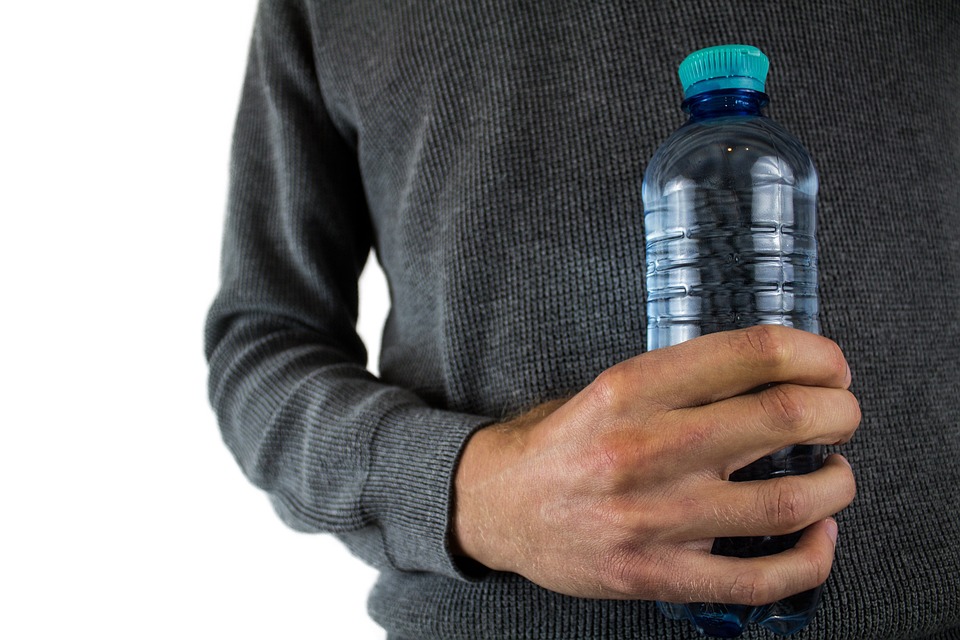

Plastic bottles have become a ubiquitous part of modern life. From bottled water to soft drinks, the convenience they offer is hard to ignore. However, many people remain unaware of the potential health risks associated with these seemingly harmless containers, particularly concerning hormonal health. The chemicals that leach from plastic, especially when exposed to heat or sunlight, can disrupt endocrine function, leading to various health issues. Understanding these risks is crucial for anyone looking to maintain optimal hormonal balance and overall well-being.
The connection between plastic bottles and hormone disruption arises primarily from substances like bisphenol A (BPA) and phthalates. These compounds mimic natural hormones and can interfere with the body’s endocrine system, potentially leading to reproductive issues, developmental problems, and metabolic disorders. It is essential to recognize that hormone disruption can manifest in various ways, including anxiety, insomnia, and weight gain. By understanding the implications of using plastic bottles, individuals can make informed choices that support their health.
Fortunately, there are actionable steps you can take to minimize your exposure to harmful chemicals in plastics. Transitioning to alternative materials such as glass, stainless steel, or BPA-free plastics can significantly reduce the risk of hormone disruption. Additionally, being mindful of how you store and heat food and beverages in plastic containers can further mitigate these risks. This guide will explore practical applications, common mistakes, scientific insights, and strategies for healthier choices regarding plastic bottle usage and hormone health.
Ultimately, understanding the relationship between plastic bottles and hormones empowers individuals to make informed decisions. The goal is not only to raise awareness but also to provide practical solutions that can be easily integrated into daily life for better health outcomes. Let’s delve into the specifics of how to navigate this complex issue effectively.
Contents
How to Use Safe Alternatives for Real Results
- Best Form: Glass or stainless steel bottles
- Best Time: Daily hydration needs
- Expected Result: Reduced hormone disruption
For Daily Protection
The Prep: Start with a high-quality glass or stainless steel bottle. Choose a size that suits your hydration needs, typically ranging from 16 to 32 ounces. If you prefer flavored water, gather fresh fruits and herbs like mint or lemon for infusion.
The Action: Fill the bottle with filtered water. If infusing, add your chosen ingredients and let them steep for a few minutes. Carry the bottle with you throughout the day, refilling as needed. This method not only keeps you hydrated but also avoids plastic exposure.
The Feeling: You will notice a refreshing taste from the infused water that enhances your hydration experience. The sensation of drinking from glass feels satisfying and clean, with no aftertaste from plastic. This approach can lead to increased water intake and overall better hydration.
Pro Tip: Always clean your reusable bottles regularly to avoid bacterial growth.
Targeting Acute Pain
The Prep: For acute pain relief, prepare a small glass water bottle filled with warm water. A temperature of around 120 degrees Fahrenheit is ideal. You may also want to have a cloth or towel ready to wrap around the bottle to avoid burns.
The Action: Apply the warm water bottle directly to the area experiencing pain or discomfort. This soothing warmth helps to relax tight muscles and improve blood circulation. Hold it in place for about 15 to 20 minutes for optimal relief.
The Feeling: The warmth will radiate through your skin, providing immediate comfort. You may experience a tingling sensation as blood flow increases to the area. This method can significantly alleviate tension and discomfort.
Pro Tip: Always check the temperature before applying to avoid burns.
The Nighttime Routine
The Prep: For a calming evening ritual, prepare a glass bottle filled with herbal tea, such as chamomile or valerian root. Choose a comfortable, quiet space for your routine.
The Action: Brew your herbal tea in a separate container and then pour it into the glass bottle. Sip the warm tea slowly as you unwind, allowing the calming effects to take over. This can be a great way to signal your body that it is time to rest.
The Feeling: The warm tea will create a soothing sensation in your stomach, promoting relaxation. You may notice a gradual easing of tension and stress, making it easier to drift off to sleep. This routine can help regulate sleep patterns over time.
Pro Tip: Avoid caffeine late in the day to ensure better sleep quality.
Common Errors to Avoid
Choosing Low-Quality Containers
Using low-quality plastic bottles can lead to significant health risks. Many inexpensive options contain harmful chemicals like BPA or phthalates that leach into liquids. These substances can disrupt hormonal balance by mimicking natural hormones in the body, leading to long-term health issues.
A better approach is to invest in high-quality bottles made from safe materials. Look for BPA-free and phthalate-free labels. Glass and stainless steel are excellent alternatives that do not leach harmful substances, ensuring your hydration habits support your overall health.
Ignoring Temperature Effects
Many people are unaware that temperature can significantly impact the safety of plastic bottles. Exposing plastic to heat, whether from sunlight or warm liquids, can increase the leaching of harmful chemicals. This can be particularly concerning when using plastic bottles for hot beverages or leaving them in a hot car.
To avoid this mistake, always store your plastic bottles in a cool, shaded area. If you need to carry hot liquids, opt for insulated stainless steel bottles. This practice not only protects your health but also extends the lifespan of your containers.
Failing to Clean Regularly
Neglecting to clean reusable bottles can lead to bacterial growth and unpleasant odors. Over time, residue can build up, which may not only affect taste but also pose health risks. This is particularly true for plastic bottles, which can harbor bacteria in scratches or crevices.
Make it a habit to clean your bottles daily. Use hot, soapy water and a bottle brush to scrub the insides thoroughly. Allow them to air dry completely. This simple practice can greatly enhance your hydration experience and ensure you remain healthy.
The Mechanisms Behind Hormonal Disruption
Understanding how plastic bottles affect hormonal health begins with the biological mechanisms involved. Chemicals like BPA and phthalates interfere with the endocrine system, mimicking estrogen and disrupting normal hormonal signaling. This can lead to altered reproductive functions and metabolic issues, affecting everything from weight management to mood regulation.
Key compounds such as BPA are particularly notorious for their hormone-mimicking properties. When ingested, they can bind to estrogen receptors, leading to an imbalance in natural hormone levels. This imbalance can trigger a cascade of health problems, including infertility, obesity, and even certain cancers. Awareness of these key compounds is crucial for making informed choices about plastic usage.
Clinical evidence supports the link between plastic exposure and hormonal health issues. Studies have shown that individuals with higher levels of BPA in their bodies experience hormonal imbalances and related health problems. For more detailed insights, you can explore the findings on PubMed.
Selecting the Right Alternatives
– **Potency:** Look for bottles made from materials that do not leach chemicals. This ensures you are not exposing yourself to harmful substances while staying hydrated.
– **Purity:** Ensure the bottles are free from BPA and phthalates. This guarantees a safer choice, particularly for regular use in hydration and food storage.
– **Form:** Choose bottles that fit your lifestyle, whether for travel, workouts, or home use. A variety of forms can help you maintain consistency in hydration without compromising health.
Weighing the Advantages and Disadvantages
| The Benefits | Potential Downsides |
|---|---|
| Reduced exposure to harmful chemicals. | Higher initial cost for quality alternatives. |
| Improved hydration habits. | Glass bottles can break if dropped. |
| Better taste and quality of beverages. | Stainless steel may retain heat, affecting temperature. |
Integrating Healthier Habits
Adopting healthier lifestyle habits can significantly impact your overall well-being. Incorporating more whole, unprocessed foods into your diet can reduce the burden of endocrine disruptors. Focusing on organic produce helps minimize exposure to pesticides and chemicals that may interfere with hormonal balance.
Staying physically active is another crucial habit. Regular exercise can help regulate hormones and improve mood. Aim for at least 30 minutes of moderate activity most days of the week. This not only supports hormonal health but also contributes to overall physical and mental well-being.
Who Should Avoid This?
– Pregnant women
– Individuals with hormone-sensitive conditions
– Children and adolescents
– Those with a history of endocrine disorders
Common Questions
Can I still use plastic bottles?
Yes, but opt for BPA-free options and avoid exposing them to heat or sunlight.
How can I reduce my exposure to plastic?
Switch to glass or stainless steel containers for beverages and food storage.
Are there alternatives to plastic for food storage?
Yes, consider using glass containers, stainless steel, or silicone bags.
How do I know if my plastic is safe?
Look for recycling codes on the bottom; codes 1, 2, 4, and 5 are generally considered safer.
The Bottom Line
Making informed choices about plastic bottle usage can significantly impact hormonal health.
- The Truth: Not all plastics are created equal, and some can disrupt hormonal balance.
- The Strategy: Use glass or stainless steel bottles for hydration.
- The Next Step: Incorporate more whole foods into your diet to support hormonal health.
Get Your FREE Natural Health Guide!
Subscribe now and receive our exclusive ebook packed with natural health tips, practical wellness advice, and easy lifestyle changes, delivered straight to your inbox.