
Contents
Plantains offer a unique culinary experience that can also serve as a significant ally for gut health. Many individuals face digestive issues, which can lead to discomfort, bloating, and other health challenges. The modern diet often lacks fiber and essential nutrients that support a thriving gut microbiome. Plantains, a staple in many tropical regions, present a solution that is both delicious and nutritious. Not only do they provide essential carbohydrates, but their fiber content is particularly beneficial for digestion.
The versatility of plantains makes them an easy addition to various meals. They can be prepared in numerous ways, from boiling to frying, and can seamlessly blend into both savory and sweet dishes. This adaptability not only makes them enjoyable but also allows for creative culinary exploration. Incorporating plantains into your diet can enhance your overall gut health, providing the nourishment your body craves.
Understanding the connection between diet and gut health is crucial. The gut microbiome plays a vital role in digestion, immune function, and even mental health. A balanced diet rich in fiber, prebiotics, and probiotics is essential for maintaining this balance. Plantains are rich in resistant starch, which acts as a prebiotic, feeding the beneficial bacteria in your gut and promoting a healthy microbiome.
With the growing awareness of gut health, more people are seeking natural and effective ways to improve their digestive systems. Plantains offer a practical, tasty, and nutrient-dense option for those looking to support their gut health while enjoying flavorful meals. This guide will delve into how to effectively use plantains to foster a healthier gut, explore common mistakes to avoid, and provide scientific insights into their benefits.
How to Use Plantains for Real Results
- Best Form: Cooked or mashed plantains
- Best Time: During meals or as a snack
- Expected Result: Improved digestion and gut flora balance
For Daily Protection
The Prep: Select ripe plantains, which should be yellow with some brown spots. You will need two medium-sized plantains, a pinch of salt, and water for boiling. Peel the plantains and cut them into thick slices. Prepare a pot of water, bringing it to a boil.
The Action: Add the plantain slices to the boiling water. Cook for about 15 minutes until they are tender. Drain the water and allow them to cool slightly. You can enjoy them plain, sprinkle a pinch of salt, or mash them with a fork for a creamier texture.
The Feeling: Eating boiled plantains can provide a comforting sensation. They are soft and slightly sweet, making them a satisfying snack. The fiber content will help you feel full longer, contributing to a sense of well-being that lasts throughout the day.
Pro Tip: Pair with a source of protein, like beans, for a complete meal that enhances gut health.
Targeting Digestive Discomfort
The Prep: Use green plantains for this recipe. You will need two green plantains, olive oil, salt, and a frying pan. Peel the plantains and cut them into thin slices.
The Action: Heat olive oil in the frying pan over medium heat. Add the plantain slices, cooking them for about 3 to 5 minutes on each side until golden brown. Remove from the pan and sprinkle with salt. These can be enjoyed as crunchy snacks or side dishes.
The Feeling: The fried plantains will have a crispy texture that contrasts with their soft interior. They deliver a satisfying crunch while being gentle on the stomach. The oil and salt enhance the flavor, making them a delightful treat that can soothe occasional digestive discomfort.
Pro Tip: Enjoy with a side of yogurt or a fermented dip to promote gut health further.
The Nighttime Routine
The Prep: Prepare one ripe plantain and a small amount of cinnamon. Slice the plantain into rounds. You can also add a drizzle of honey if desired.
The Action: Place the sliced plantains on a baking sheet. Sprinkle cinnamon over the top. Bake at 350°F for about 20 minutes or until the edges are crispy. This makes for a delicious and healthy dessert option.
The Feeling: The warm, baked plantains will have a sweet, caramelized flavor. The cinnamon adds a comforting aroma, making it an ideal nighttime snack. The fiber aids digestion, promoting a restful night’s sleep.
Pro Tip: Avoid heavy meals before bed and opt for lighter snacks like baked plantains to avoid digestive discomfort at night.
Common Errors to Avoid When Incorporating Plantains
Choosing Unripe Plantains
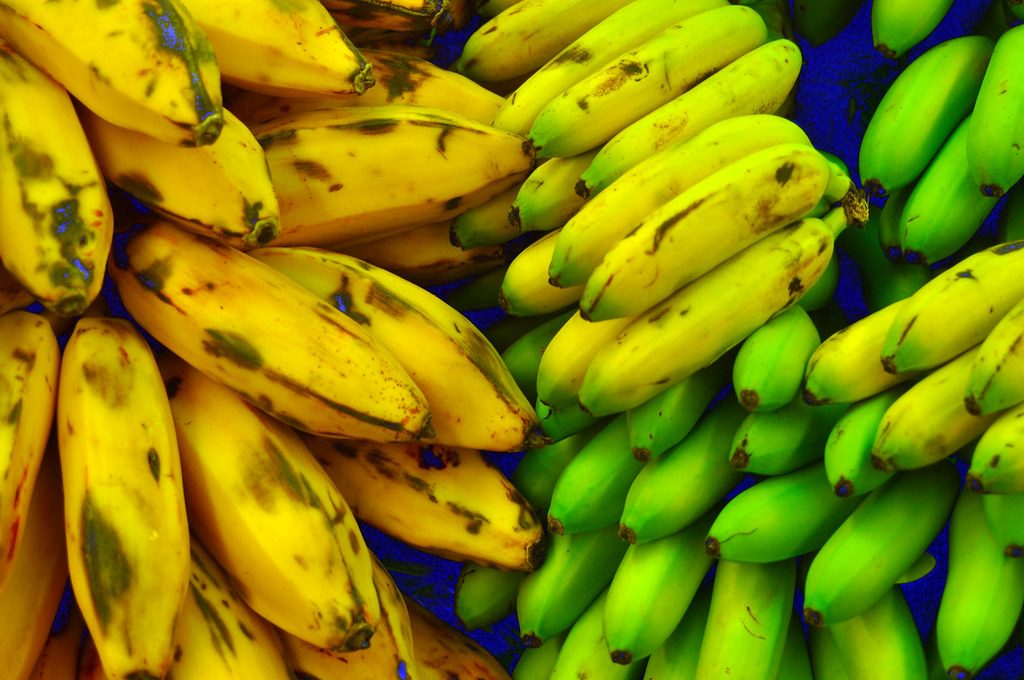
Opting for unripe plantains can lead to a less enjoyable taste and texture. Unripe plantains are starchy and may not be as easily digestible. They can also be harder to prepare and may not provide the same health benefits as ripe ones.
To get the most out of your plantains, focus on selecting those that are ripe. Look for plantains that are yellow with brown spots. This indicates they have developed natural sugars, making them sweeter and easier to digest.
Neglecting Cooking Methods
Using improper cooking techniques can limit the health benefits of plantains. Frying them in excessive oil, for instance, can add unwanted calories and unhealthy fats, detracting from their nutritional value.
To get the most out of plantains, consider boiling or baking them instead. These methods preserve their nutritional integrity while providing a delicious alternative. Experiment with different cooking styles to find what works best for you.
Ignoring Portion Sizes
Overindulging in plantains can lead to excessive carbohydrate intake, which may not be suitable for everyone. Some individuals may experience bloating or discomfort if they consume too many starchy foods in one sitting.
Balance is key. It is beneficial to pair plantains with other food groups, such as protein and vegetables, to create a well-rounded meal. Moderation is crucial to avoid digestive issues and to ensure you enjoy plantains as part of a healthy diet.
The Mechanisms Behind Plantains and Gut Health
Plantains contain a variety of nutrients that contribute to gut health. Their high fiber content is primarily derived from resistant starch. This type of fiber is not easily digested in the small intestine, allowing it to reach the colon intact. Here, it acts as a prebiotic, feeding beneficial gut bacteria and promoting a balanced microbiome.
One key compound found in plantains is inulin, a type of soluble fiber known for its prebiotic effects. Inulin encourages the growth of beneficial bacteria in the gut, enhancing digestive health and potentially improving immune function. This compound helps regulate bowel movements and can alleviate constipation.
Clinical studies have shown that incorporating resistant starch into the diet can positively impact gut health. Research indicates that resistant starch may improve gut microbiota composition and function. For more detailed insights, refer to this PubMed search for relevant studies.
Choosing the Right Product
– **Potency:** Look for plantains that are fresh and firm. The potency of nutrients diminishes over time, so selecting fresh plantains ensures you receive maximum health benefits.
– **Purity:** Choose organic plantains when possible. This reduces exposure to pesticides and chemicals, allowing you to enjoy the natural goodness without harmful additives.
– **Form:** Decide how you want to consume plantains. Fresh, frozen, or dried options are available, each offering unique benefits. Fresh plantains are versatile, while dried ones can serve as convenient snacks.
Benefits vs Risks
| The Benefits | Potential Downsides |
|---|---|
| Rich in fiber, promoting digestive health. | High in carbohydrates, which may not suit everyone. |
| Versatile and easy to prepare in various dishes. | Some may experience bloating if overconsumed. |
| Contains essential vitamins and minerals. | Quality can vary depending on ripeness and storage. |
Habits to Enhance Gut Health
Incorporating regular physical activity into your routine can significantly benefit your gut health. Exercise promotes healthy digestion and can help maintain a balanced microbiome. Aim for at least 30 minutes of moderate activity most days.
Mindfulness practices, such as meditation or yoga, can also improve gut health. Stress can negatively impact digestion, so finding ways to manage stress is essential. Mindfulness encourages relaxation, which can lead to better digestive function.
Who Should Avoid This?
– Individuals with a known allergy to plantains or bananas.
– Those with specific digestive disorders, such as irritable bowel syndrome, should consult a healthcare provider before consuming large quantities.
– Individuals monitoring carbohydrate intake, such as those with diabetes, should be cautious with portion sizes.
Common Questions
Can plantains help with constipation?
Yes, the high fiber content in plantains can promote regular bowel movements, aiding in constipation relief.
Are plantains gluten-free?
Yes, plantains are naturally gluten-free, making them an excellent choice for those with gluten sensitivities.
How can I store plantains?
Store unripe plantains at room temperature until they ripen. Once ripe, they can be refrigerated to extend their shelf life.
Can I eat plantains every day?
Yes, incorporating plantains into your daily diet can be beneficial, but moderation is essential to maintain a balanced nutritional intake.
The Bottom Line
Plantains serve as a delicious and nutritious option for supporting gut health.
- The Truth: Overconsumption can lead to digestive discomfort.
- The Strategy: Enjoy them in moderation as part of a balanced diet.
- The Next Step: Experiment with different recipes to discover your favorite ways to enjoy plantains.
Get Your FREE Natural Health Guide!
Subscribe now and receive our exclusive ebook packed with natural health tips, practical wellness advice, and easy lifestyle changes, delivered straight to your inbox.