
Plant-based diets have gained significant attention in the health community for their potential to enhance longevity and boost overall vitality. Individuals are increasingly seeking natural solutions to age-related issues, such as chronic diseases, fatigue, and cognitive decline. The allure of a plant-based diet lies not only in its nutritional benefits but also in its ability to offer a holistic approach to health and well-being.

The reality is that many people struggle with choices that impact their long-term health. With processed foods dominating modern diets, the importance of incorporating whole, nutrient-dense foods cannot be overstated. A plant-based diet emphasizes the consumption of fruits, vegetables, whole grains, nuts, and seeds, which are rich in essential vitamins, minerals, and antioxidants. These components play a crucial role in combating oxidative stress and inflammation, two key contributors to aging and chronic diseases.
Transitioning to a plant-based diet may seem daunting, yet it can be achieved through gradual changes and mindful choices. Understanding which foods are most beneficial for vitality is essential for anyone looking to improve their health and longevity. The following guide outlines effective strategies, common pitfalls, and scientific insights into the advantages of a plant-based diet for longevity.
The benefits of a plant-based diet extend beyond individual health. By choosing plant-based foods, individuals can also contribute to environmental sustainability. Reducing meat consumption can lower carbon footprints and promote ecological balance. This dual benefit of personal health and environmental responsibility makes plant-based eating a compelling choice for many.
Contents
How to Use Plant-Based Foods for Real Results
- Best Form: Whole foods
- Best Time: Throughout the day
- Expected Result: Increased energy and vitality
For Daily Protection
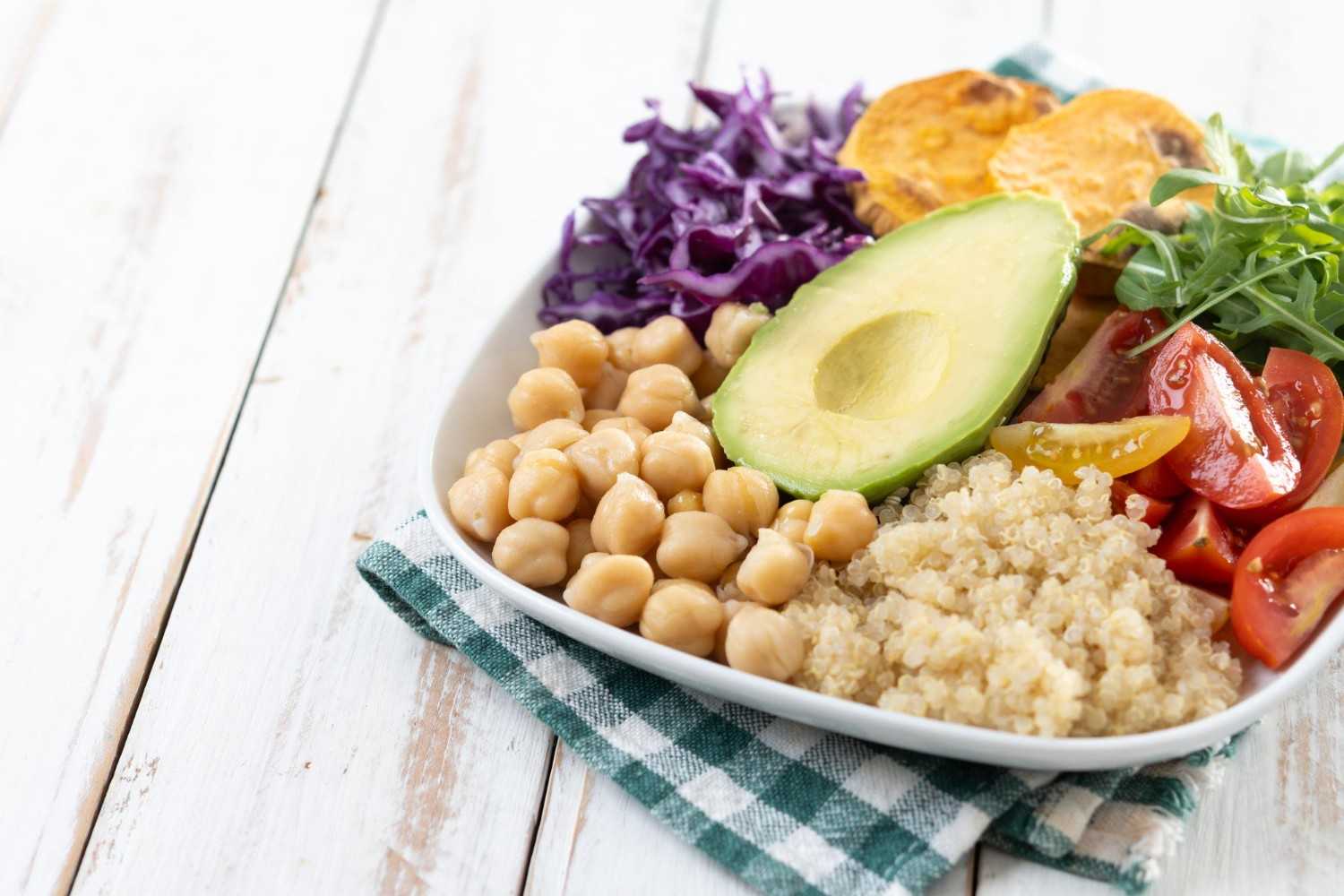
The Prep: Start with a variety of colorful vegetables, such as kale, bell peppers, and carrots. Include legumes like lentils and chickpeas for added protein. Prepare a grain base using quinoa or brown rice to create a balanced meal.
The Action: Chop the vegetables and sauté them in olive oil. Add the cooked legumes and grains. Season with herbs like basil and thyme for flavor. Serve warm for an energizing meal.
The Feeling: Expect a satisfying warmth from the cooked grains and legumes. The crunch of fresh vegetables adds a refreshing texture. Overall, the meal should leave you feeling full of energy and vitality for hours.
Pro Tip: Incorporate a variety of colors on your plate to maximize nutrient intake.
Boosting Immunity
The Prep: Gather ingredients such as garlic, ginger, and turmeric, known for their immune-boosting properties. Fresh citrus fruits like oranges and lemons will provide a vitamin C kick.
The Action: Create a warming tea by boiling water and adding sliced ginger and turmeric. Squeeze in fresh lemon juice and add honey for sweetness. Serve hot for a soothing drink.
The Feeling: The warmth of the tea will create a gentle tingling sensation in your throat. The citrus adds a refreshing zing, and you may feel a sense of comfort and rejuvenation after drinking.
Pro Tip: Drink this tea in the morning to kickstart your immune system.
The Evening Wind Down
The Prep: Select calming ingredients like chamomile tea, almonds, and a banana. These foods can help promote relaxation and better sleep.
The Action: Brew chamomile tea and allow it to steep. While waiting, slice a banana and serve it with a handful of almonds. This combination makes for an excellent pre-bedtime snack.
The Feeling: The tea will have a soothing effect, helping you unwind. The banana’s natural sweetness and the crunch of almonds provide a satisfying end to your day, promoting a sense of calm.
Pro Tip: Avoid caffeine in the evening to enhance your sleep quality.
Avoiding Common Pitfalls
Neglecting Protein Sources
Many individuals mistakenly believe that a plant-based diet lacks sufficient protein. This misconception can lead to fatigue and muscle loss. Plant-based proteins can be found in legumes, nuts, seeds, and whole grains. Incorporating a variety of these foods ensures adequate protein intake.
To counteract this mistake, plan meals that include diverse protein sources. For instance, combine beans with rice or quinoa with lentils. This approach will provide a complete amino acid profile while ensuring you meet your protein needs.
Overlooking Nutrient Diversity
Focusing solely on a limited range of fruits and vegetables can result in nutrient deficiencies. A common error is consuming the same foods repeatedly, which can lead to imbalances in vitamins and minerals.
To avoid this, create a meal rotation that includes various colors and types of produce. Aim to consume leafy greens, cruciferous vegetables, and root vegetables. This diversity will maximize your nutrient intake and support overall health.
Ignoring Whole Foods
Relying on processed plant-based alternatives can be misleading. Many of these products are high in sugars, unhealthy fats, and preservatives. They may not contribute positively to health and longevity.
To mitigate this issue, focus on whole, unprocessed foods. Choose fresh fruits, vegetables, nuts, and whole grains. These foods are nutrient-dense and will support your long-term health goals effectively.
The Science Behind Plant-Based Diets
The biological mechanism underlying the benefits of a plant-based diet involves the reduction of inflammation and oxidative stress. Foods rich in antioxidants, such as berries and leafy greens, help neutralize free radicals. This process is crucial in preventing cellular damage associated with aging.
Key compounds found in plant-based foods, such as polyphenols and flavonoids, play a significant role in promoting health. These compounds not only protect cells but also enhance the immune response. Increased consumption of these nutrients is linked to lower risks of chronic diseases.
Clinical studies indicate that individuals adhering to a plant-based diet experience lower rates of heart disease, diabetes, and certain cancers. Research highlights the importance of a plant-rich diet in promoting longevity and quality of life. For more information on the health benefits of specific plant-based foods, visit PubMed.
Choosing the Right Product
- Potency: Ensure that the foods you choose are rich in nutrients. High-potency foods provide the most health benefits.
- Purity: Opt for organic products when possible. This reduces exposure to pesticides and harmful chemicals.
- Form: Whole foods are generally more beneficial than processed alternatives. Whole foods retain their natural nutrients and health benefits.
Benefits vs Risks
| The Benefits | Potential Downsides |
|---|---|
| Improved heart health | Possible nutrient deficiencies if not well-planned |
| Increased energy levels | Adjustment period may lead to cravings |
| Enhanced digestion | Some individuals may experience digestive discomfort initially |
Habits to Support Your Journey
Incorporating regular physical activity is essential. Exercise enhances circulation and improves mood, complementing the benefits of a plant-based diet. Aim for at least 150 minutes of moderate aerobic activity weekly.
Mindfulness practices, such as meditation or yoga, can enhance your overall well-being. These practices reduce stress and improve mental clarity, making it easier to maintain a healthy lifestyle.
Who Should Avoid This?
– Individuals with specific allergies to plant-based foods
– Those with certain medical conditions requiring specialized diets
– Pregnant or breastfeeding women without proper guidance
– Individuals on medication that interacts with certain plant compounds
Common Questions
Can I get enough protein from a plant-based diet?
Yes, by combining various plant sources like legumes, nuts, and whole grains, you can easily meet your protein needs.
Is a plant-based diet suitable for everyone?
While beneficial for many, individuals with specific dietary restrictions or medical conditions should consult healthcare professionals.
How quickly can I expect to see results?
Results vary, but many report increased energy and improved digestion within a few weeks of adopting a plant-based diet.
Do I need to eliminate all animal products?
Not necessarily. Many find success with a flexitarian approach, gradually reducing animal product consumption while increasing plant-based foods.
The Bottom Line
A plant-based diet offers numerous health benefits that can enhance longevity and vitality.
- The Truth: A well-planned plant-based diet is essential to avoid nutrient deficiencies.
- The Strategy: Incorporate a wide variety of whole foods throughout the day.
- The Next Step: Start by adding more fruits and vegetables to your meals.
Get Your FREE Natural Health Guide!
Subscribe now and receive our exclusive ebook packed with natural health tips, practical wellness advice, and easy lifestyle changes, delivered straight to your inbox.