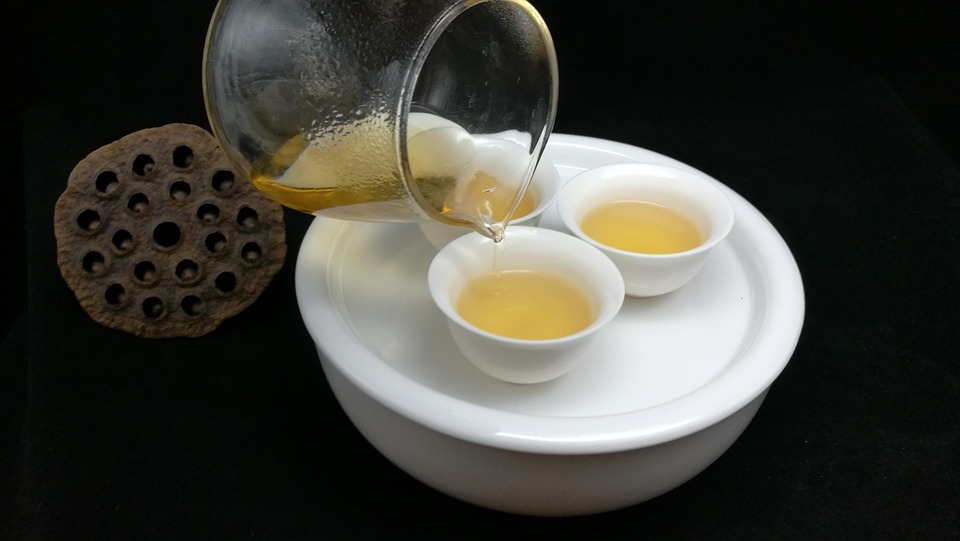

Oolong tea has captivated tea enthusiasts and health-conscious individuals alike with its unique flavor profile and potential health benefits. This semi-oxidized tea strikes a balance between green and black teas, offering a rich and complex taste that can vary widely depending on the processing methods and the specific cultivar used. While many enjoy it for its delightful aroma and flavor, oolong tea has also garnered attention for its potential role in fat metabolism. This guide delves into how oolong tea can serve as a valuable ally in your fat metabolism efforts, providing practical insights and scientific backing.
The challenge of fat metabolism is one that many face, whether for weight loss or overall health improvement. With an increasing number of people seeking effective ways to manage their weight, the search for natural aids has become paramount. Oolong tea, with its blend of caffeine and catechins, may offer a promising solution. Research indicates that these compounds can influence metabolic rates, promote fat oxidation, and even enhance energy expenditure. Understanding how to effectively incorporate oolong tea into a daily routine can be transformative.
Incorporating oolong tea into your lifestyle is not merely about brewing a cup. The timing, preparation, and accompanying habits can significantly influence its effectiveness in supporting fat metabolism. This guide breaks down actionable steps, common pitfalls, and the underlying science, providing a comprehensive approach to harnessing the potential benefits of oolong tea.
The journey toward effective fat metabolism is often complex. However, with oolong tea as a flavorful ally, it can become a more enjoyable and manageable process. Whether you are a seasoned tea drinker or new to this beverage, the insights provided here aim to enhance your understanding and application of oolong tea in your health regimen.

Contents
How to Use Oolong Tea for Real Results
- Best Form: Loose leaf oolong tea.
- Best Time: Morning or mid-afternoon.
- Expected Result: Increased fat oxidation and energy levels.
For Daily Energy Boost
The Prep: Begin with high-quality loose leaf oolong tea. Aim for about two teaspoons of tea leaves. You will also need hot water, ideally around 190 to 200 degrees Fahrenheit. A teapot or a tea infuser will help in the brewing process. Gather a cup or mug for serving.
The Action: Place the tea leaves in the infuser or directly in the teapot. Pour hot water over the leaves and let them steep for three to five minutes. The steeping time can be adjusted based on personal taste preferences. Once brewed, remove the leaves, and enjoy the tea as is or with a splash of lemon for added flavor.
The Feeling: Upon sipping, you may experience a warm sensation and a mild energy lift. The effects can be felt within 30 minutes, providing a gradual increase in alertness that lasts for a few hours.
Pro Tip: Experiment with steeping times to find the flavor profile that suits you best.
For Afternoon Cravings
The Prep: Gather two teaspoons of loose leaf oolong tea, hot water at 190 to 200 degrees Fahrenheit, and a pinch of cinnamon for added flavor. The cinnamon can help enhance the metabolic effects of the tea.
The Action: In a teapot or infuser, combine the tea leaves and cinnamon. Pour the hot water over the mixture and steep for four to six minutes. Strain the mixture into a cup. You can enjoy it plain or add a small amount of honey if desired.
The Feeling: The combination of oolong and cinnamon offers a warming sensation with a hint of sweetness. The energy boost can help curb cravings and improve focus during the afternoon slump.
Pro Tip: Pair this tea with a light snack, like nuts or fruit, to maintain energy levels without added sugars.
For Evening Relaxation
The Prep: Collect two teaspoons of loose leaf oolong tea and hot water. Consider using a calming herb like chamomile for a soothing blend.
The Action: In a teapot, combine the oolong tea leaves and a teaspoon of dried chamomile. Pour hot water over the mixture and let it steep for five to seven minutes. Once brewed, strain the tea into your favorite mug.
The Feeling: This blend provides a calming effect, allowing you to unwind. The pleasant aroma and gentle flavor can create a relaxing atmosphere, making it suitable for evening consumption.
Pro Tip: Enjoy this tea while reading or practicing mindfulness to enhance relaxation.
Common Pitfalls to Avoid
Using Low Quality Tea Leaves
Opting for low-quality oolong tea can diminish the potential benefits. Poor quality leaves may lack the essential compounds that contribute to fat metabolism. When selecting oolong tea, prioritize reputable brands that provide information on sourcing and processing.
High-quality tea leaves not only offer superior flavor but also contain higher concentrations of catechins and caffeine, which are critical for metabolic enhancement. Investing in quality ensures a more effective and enjoyable experience.
Oversteeping the Tea
Steeping oolong tea for too long can lead to a bitter taste and may detract from its health benefits. Oversteeping can release unwanted tannins, which might overshadow the tea’s natural flavors and reduce its appealing qualities.
To avoid this mistake, adhere to recommended steeping times based on the specific type of oolong tea. Adjusting the steeping time can significantly enhance your enjoyment and the tea’s beneficial properties.
Ignoring Temperature Guidelines
Brewing oolong tea at incorrect temperatures can compromise its flavor and health benefits. Using water that is too hot can scorch the leaves, resulting in a harsh taste. Conversely, water that is too cool may not extract the beneficial compounds effectively.
Always aim for a temperature range of 190 to 200 degrees Fahrenheit for optimal brewing. This ensures that you extract the right balance of flavor and health-promoting compounds.
The Mechanism Behind Oolong Tea
The biological mechanisms by which oolong tea influences fat metabolism are primarily linked to its caffeine and catechin content. Caffeine stimulates the central nervous system, promoting increased energy expenditure and fat oxidation. Catechins, particularly epigallocatechin gallate, play a crucial role in enhancing metabolic rates and aiding in fat breakdown.
The key compound in oolong tea is the polyphenol known as catechin. These antioxidants have been shown to increase fat oxidation and thermogenesis, which is the process of heat production in organisms. By enhancing the metabolic rate, catechins can contribute to improved fat loss when combined with a balanced diet and exercise regimen.
Clinical studies support the claims regarding the efficacy of oolong tea in fat metabolism. Research has demonstrated that regular consumption can lead to significant reductions in body fat and improved metabolic rates. For further details on the clinical evidence, refer to this PubMed search.
Choosing the Right Product
- Potency: Look for oolong tea that specifies the caffeine and catechin content. Higher potency can enhance fat metabolism.
- Purity: Choose organic options free from additives and pesticides to ensure the best quality and effectiveness.
- Form: Loose leaf tea is generally preferred over tea bags, as it allows for better extraction of flavors and compounds.
Benefits and Risks
| The Benefits | Potential Downsides |
|---|---|
| May enhance fat oxidation and metabolism. | Excessive caffeine can lead to anxiety or sleep disturbances. |
| Rich in antioxidants that support overall health. | Some individuals may experience digestive discomfort. |
| Can boost energy levels without the crash associated with sugary drinks. | Quality varies significantly across brands. |
Habits to Enhance Effectiveness
Incorporating regular physical activity into your routine can significantly amplify the benefits of oolong tea. Exercise not only boosts metabolism but also enhances the fat-burning effects of the compounds found in tea.
Mindful eating practices can also complement the effects of oolong tea. Paying attention to portion sizes and food choices can further support weight management efforts when combined with regular tea consumption.
Who Should Avoid This?
– Pregnant or breastfeeding individuals should consult a healthcare provider before consuming oolong tea due to its caffeine content.
– Individuals sensitive to caffeine may experience side effects such as jitteriness or insomnia.
– Those with certain medical conditions, such as anxiety disorders or heart conditions, should seek medical advice before incorporating oolong tea into their routine.
Common Questions
Can oolong tea help with weight loss?
Oolong tea may aid in weight loss by enhancing fat oxidation and metabolism, especially when combined with a balanced diet and regular exercise.
How much oolong tea should I drink daily?
A general recommendation is to consume two to three cups of oolong tea per day for optimal benefits.
Is oolong tea safe for everyone?
While generally safe, individuals sensitive to caffeine or with certain health conditions should consult a healthcare provider before consumption.
When is the best time to drink oolong tea?
Morning or mid-afternoon is ideal for drinking oolong tea to maximize its energy-boosting effects.
The Bottom Line
Oolong tea can be a flavorful ally in your fat metabolism efforts.
- The Truth: Individual results may vary based on lifestyle and body chemistry.
- The Strategy: Consuming oolong tea in the morning or afternoon can enhance its benefits.
- The Next Step: Consider incorporating regular physical activity to maximize fat metabolism.
Get Your FREE Natural Health Guide!
Subscribe now and receive our exclusive ebook packed with natural health tips, practical wellness advice, and easy lifestyle changes, delivered straight to your inbox.