
Contents
Olive oil has been a staple in Mediterranean diets for centuries, revered not just for its culinary uses but also for its numerous health benefits. Among these, its role in supporting vascular health, particularly for men, is gaining increasing attention. As men age, cardiovascular health often becomes a growing concern, leading to heightened risks for conditions such as hypertension and atherosclerosis. These issues can significantly impact overall well-being, including energy levels and sexual health.
The heart and blood vessels are essential components of the body’s circulatory system. Poor vascular health can lead to serious complications, affecting not only physical health but also mental and emotional well-being. The good news is that dietary choices can make a substantial difference. Incorporating olive oil into daily routines may provide a simple yet powerful strategy to enhance vascular health.
Rich in monounsaturated fats and antioxidants, olive oil can help combat oxidative stress and inflammation, two critical factors in cardiovascular diseases. The Mediterranean diet, which emphasizes olive oil consumption, has been linked to lower incidences of heart disease and better overall health metrics. This guide aims to delve into the practical applications of olive oil for vascular health, its scientific underpinnings, common pitfalls to avoid, and essential tips for maximizing its benefits.
Understanding how to effectively incorporate olive oil into one’s lifestyle can pave the way for significant health improvements. This guide will provide actionable insights for men looking to bolster their vascular health through dietary choices.
How to Use Olive Oil for Real Results
- Best Form: Extra virgin olive oil
- Best Time: During meals or as a dressing
- Expected Result: Improved cardiovascular health and circulation
For Daily Protection
The Prep: Start with high-quality extra virgin olive oil. You will also need whole grains, fresh vegetables, and lean proteins to create a balanced meal. Gather a mixing bowl, a whisk, and a salad plate to present your dish attractively.
The Action: Combine a tablespoon of olive oil with balsamic vinegar in a bowl. Whisk until emulsified. Drizzle this mixture over a salad composed of leafy greens, tomatoes, and cucumbers. Serve with grilled chicken or fish for added protein.
The Feeling: As you enjoy your meal, expect a rich, smooth sensation from the olive oil. The flavors should blend harmoniously with the vegetables, enhancing the overall taste. You may feel a subtle warmth in your body as your circulation improves.
Pro Tip: Always opt for cold-pressed extra virgin olive oil to maximize nutrient retention.
For Cardio-Boosting Smoothies
The Prep: Gather fresh fruits like bananas and berries, spinach or kale, and a tablespoon of extra virgin olive oil. A blender and a glass will be needed for this refreshing drink.
The Action: In the blender, combine a cup of your chosen fruits, a handful of greens, and a tablespoon of olive oil. Blend until smooth and creamy. Pour into a glass and enjoy this nutrient-packed smoothie.
The Feeling: The smoothie should be velvety and rich. You may experience a burst of natural energy from the fruits and a satisfying fullness from the olive oil. Expect a refreshing taste that keeps you feeling energized for hours.
Pro Tip: Adding olive oil to smoothies helps in the absorption of fat-soluble vitamins.
For Cooking and Sautéing
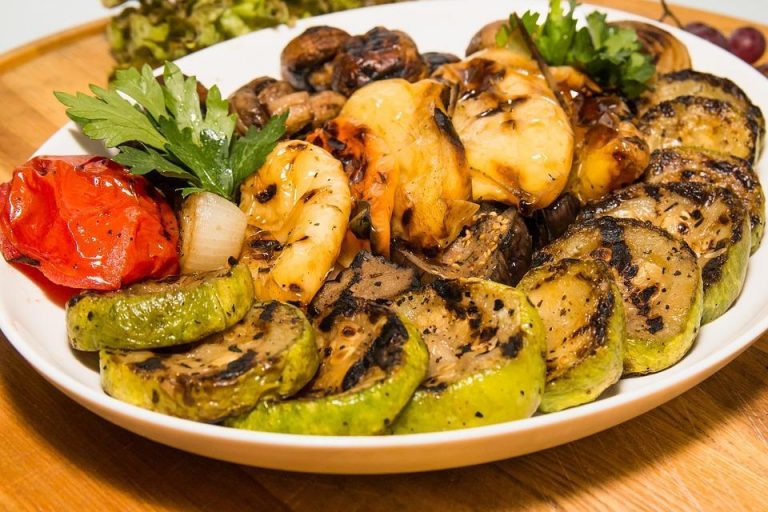
The Prep: Select a variety of vegetables such as bell peppers, onions, and zucchini. You will also need extra virgin olive oil, salt, and pepper. A skillet or frying pan will be used for this preparation.
The Action: Heat the skillet over medium heat and add a tablespoon of olive oil. Once hot, toss in the chopped vegetables. Sauté for about 5 to 7 minutes until tender. Season with salt and pepper to taste before serving.
The Feeling: The vegetables will absorb the olive oil, enhancing their natural flavors. You should notice a delightful aroma filling your kitchen. The dish will provide a satisfying crunch and a wholesome, hearty feeling.
Pro Tip: Avoid overheating olive oil to preserve its health benefits.
Avoiding Common Mistakes with Olive Oil
Using Low-Quality Olive Oil
Many individuals may unknowingly purchase low-quality or adulterated olive oil. This can diminish the health benefits that olive oil is renowned for. High-quality extra virgin olive oil contains antioxidants and healthy fats, while lower grades may lack these essential nutrients.
To ensure you are getting the most from your olive oil, always check for certification labels. Look for organic and cold-pressed varieties, as these indicate higher quality.
Neglecting Proper Storage
Improper storage can lead to the degradation of olive oil, affecting its taste and health properties. Light, heat, and air can all contribute to the oil becoming rancid. Many people store their olive oil in clear bottles or near the stove, which is not ideal.
Store olive oil in a dark, cool place, ideally in a tinted glass bottle. This will help preserve its quality and extend its shelf life.
Overusing Olive Oil
While olive oil is beneficial, it is still calorie-dense. Some individuals may think that more is better and end up consuming excessive amounts. This can lead to weight gain and negate some of the positive effects on vascular health.
Use olive oil in moderation. A tablespoon or two per meal is generally sufficient to reap the benefits without overdoing it.
The Mechanism Behind Olive Oil’s Benefits
Olive oil’s benefits for vascular health stem from its biological components. The primary mechanism involves the reduction of oxidative stress and inflammation in the body. These two factors are significant contributors to cardiovascular diseases. The antioxidants present in olive oil, such as oleocanthal and oleuropein, help to neutralize free radicals.
The key compound in olive oil is oleic acid, a monounsaturated fat that promotes heart health. Studies show that oleic acid can help lower LDL cholesterol levels while raising HDL cholesterol. This dual action supports better circulation and reduces the risk of plaque formation in arteries.
Clinical evidence supports the benefits of olive oil for cardiovascular health. A study published in the journal Circulation shows that a diet rich in olive oil is associated with a lower risk of heart disease. For more in-depth information, refer to the research available at PubMed.
Choosing the Right Product
- Potency: Higher potency oils often contain more beneficial compounds. This means they are likely to provide greater health benefits.
- Purity: Look for oils that are labeled as pure or extra virgin. This indicates minimal processing and maximum nutrient retention.
- Form: Choose oils in dark glass bottles to protect against light. This helps maintain the oil’s quality over time.
Pros & Cons of Olive Oil
| The Benefits | Potential Downsides |
|---|---|
| Rich in monounsaturated fats that support heart health | High in calories, which can contribute to weight gain if overconsumed |
| Contains antioxidants that combat oxidative stress | May cause digestive issues in some individuals |
| Supports healthy cholesterol levels | Quality can vary significantly among brands |
Healthy Lifestyle Practices
Incorporating regular physical activity can amplify the benefits of olive oil for vascular health. Engage in aerobic exercises like walking or cycling for at least 150 minutes per week. This helps improve circulation and cardiovascular function.
Maintaining a balanced diet rich in fruits, vegetables, whole grains, and lean proteins complements the effects of olive oil. This holistic approach supports overall vascular health and well-being.
Who Should Avoid This?
– Individuals with olive oil allergies
– Those on anticoagulant medications
– People with specific gastrointestinal issues
Common Questions
Can olive oil help lower blood pressure?
Yes, olive oil can help lower blood pressure due to its monounsaturated fats and antioxidants.
Is all olive oil the same?
No, not all olive oil is the same. Extra virgin olive oil is the highest quality and most beneficial for health.
How much olive oil should I consume daily?
A daily intake of one to two tablespoons is generally recommended for health benefits.
Can I cook with olive oil?
Yes, olive oil can be used for cooking, but avoid high heat to preserve its beneficial properties.
The Bottom Line
Incorporating olive oil into your diet can significantly benefit vascular health.
- The Truth: Quality matters; choose high-grade olive oil for maximum benefits.
- The Strategy: Use olive oil as a dressing or in cooking for optimal effects.
- The Next Step: Consider pairing olive oil with other heart-healthy foods.
Get Your FREE Natural Health Guide!
Subscribe now and receive our exclusive ebook packed with natural health tips, practical wellness advice, and easy lifestyle changes, delivered straight to your inbox.