
Nurturing tendons is essential for maintaining overall mobility and resilience. Tendons connect muscles to bones and play a critical role in movement. When they are compromised due to injury, overuse, or aging, it can lead to pain and decreased functionality. Addressing tendon health requires a multifaceted approach that includes nutrition, exercise, and adequate rest. Among these, nutrition stands out as a foundational aspect that can significantly influence tendon recovery and performance.

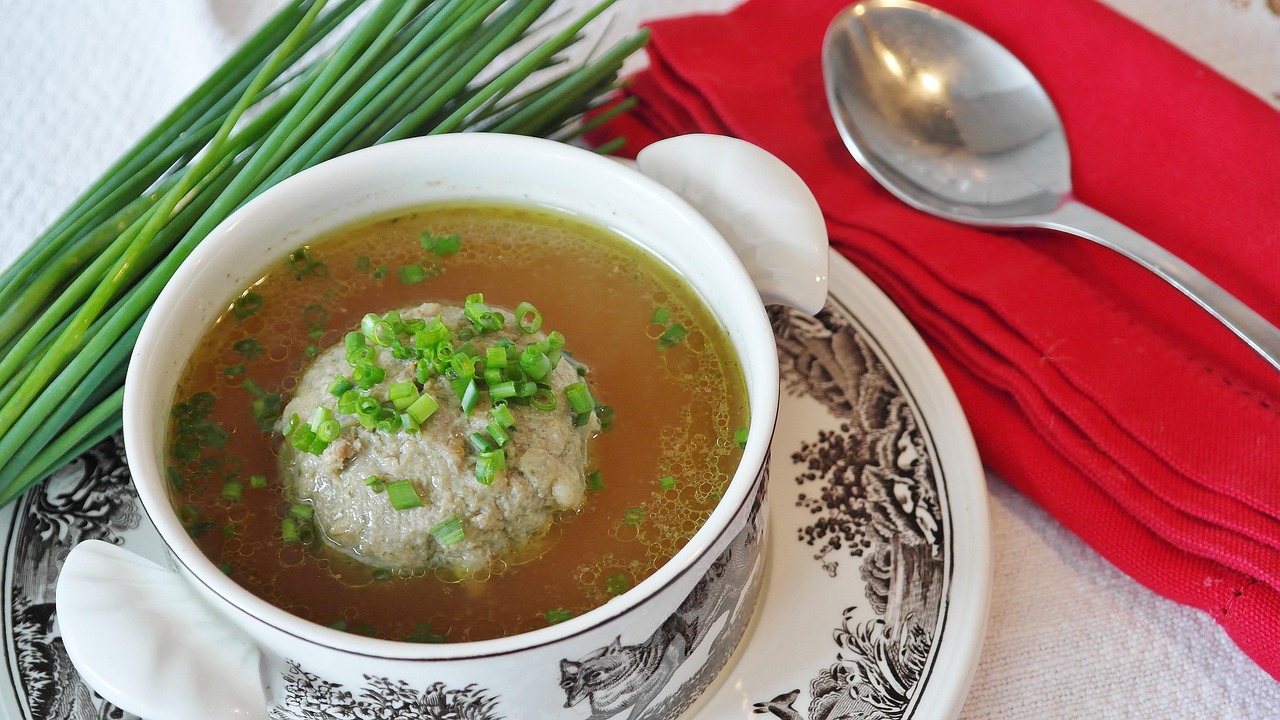
Bone broth has surged in popularity as a health elixir, and for good reason. Rich in collagen, amino acids, and essential minerals, it offers a natural source of nutrients that support tendon health. The gelatin derived from bone broth is particularly beneficial as it provides the building blocks needed for collagen synthesis, which is crucial for tendon repair and strength. Incorporating bone broth into your diet can be a simple yet powerful way to nourish your tendons and promote healing.
This guide delves into the science behind bone broth, practical recipes, and tips to maximize its benefits for tendon health. By understanding how to effectively use bone broth, you can enhance your overall well-being and support your body’s healing processes. Whether you are an athlete looking to prevent injury or someone recovering from tendon pain, this guide will equip you with the knowledge and recipes to harness the power of bone broth.
Let’s explore the practical applications, common pitfalls to avoid, and the scientific principles that underline the benefits of bone broth for tendon health.
Contents
How to Use Bone Broth for Real Results
- Best Form: Homemade bone broth
- Best Time: After workouts or as a daily supplement
- Expected Result: Enhanced tendon repair and reduced inflammation
For Daily Protection
The Prep: Start with high-quality bones. Beef bones, chicken carcasses, or fish heads are excellent choices. Add aromatic vegetables like carrots, celery, and onions for flavor. Include herbs like thyme and bay leaves for an extra nutrient boost. Use filtered water to ensure the purity of your broth.
The Action: Place the bones and vegetables in a large pot or slow cooker. Cover with water and add a splash of apple cider vinegar to help extract minerals. Simmer for at least 12 hours, or up to 48 hours for maximum extraction. Strain the broth and store it in jars.
The Feeling: Sipping on warm bone broth provides a comforting sensation. You may notice a slight tingling in your joints as the nutrients begin to work. The warmth can also help soothe your digestive system.
Pro Tip: Make a large batch and freeze portions for easy access during busy weeks.
Targeting Acute Pain
The Prep: Gather marrow bones, which are rich in collagen and fat. You will need garlic, ginger, and turmeric for their anti-inflammatory properties. Prepare your slow cooker or Instant Pot for convenience.
The Action: Roast the marrow bones at 400°F for 30 minutes. Transfer to your cooker with chopped garlic, ginger, and turmeric. Cover with water and a tablespoon of apple cider vinegar. Cook on low for 24 hours to maximize nutrient extraction.
The Feeling: The first sip of this broth can feel like a warm embrace. The anti-inflammatory ingredients may create a soothing warmth that radiates through your joints, providing immediate comfort.
Pro Tip: Use this broth as a base for soups or stews to enhance the overall healing properties.
The Nighttime Routine
The Prep: Choose chicken bones for a lighter broth. Include calming herbs like chamomile and lemon balm to promote relaxation. Set up your slow cooker to have it ready by bedtime.
The Action: Place the chicken bones in the slow cooker with chamomile, lemon balm, and a pinch of salt. Cover with water and let it simmer on low for 10 hours. Strain before bed and store in a thermos.
The Feeling: Drinking this broth before bed may induce a sense of calmness. The warmth can help ease tension in your muscles and joints, promoting a restful night’s sleep.
Pro Tip: Pair this broth with a light snack like whole-grain crackers to enhance its calming effects.
Common Mistakes to Avoid When Making Bone Broth
Choosing Low-Quality Ingredients
Using low-quality bones is a common mistake that undermines the nutritional value of your broth. Bones from conventionally raised animals may contain harmful additives or lack essential nutrients. Opting for grass-fed or pasture-raised sources ensures richer nutrients and healthier fats.
High-quality bones offer a wealth of collagen, minerals, and flavor. This investment in quality enhances the broth’s overall health benefits and taste. Seek local farms or trusted suppliers to source your bones effectively.
Neglecting to Include Acid
Another frequent error is not adding an acid like apple cider vinegar to the broth. Acid is crucial for extracting minerals from the bones. Without it, you miss out on vital nutrients that contribute to tendon health.
Adding a couple of tablespoons of vinegar helps draw out calcium, magnesium, and phosphorus, enriching the broth. This simple step can significantly elevate the nutritional profile of your homemade elixir.
Failing to Simmer Long Enough
Short cooking times can lead to a broth that lacks depth and nutrients. Many people make the mistake of simmering for just a few hours, which does not allow adequate extraction from the bones.
For optimal benefits, aim for a simmering time of at least 12 hours. Longer cooking times, up to 48 hours, will yield a richer, more gelatinous broth packed with healing properties.
The Science Behind Bone Broth and Tendon Health
The biological mechanism behind bone broth’s benefits lies in its rich collagen content. Collagen is the primary protein found in tendons, providing structural support and elasticity. When consumed, collagen peptides can stimulate the production of new collagen in the body, promoting tendon repair and resilience.
Key compounds in bone broth, such as glycine and proline, play a vital role in collagen synthesis. Glycine is known to reduce inflammation and support muscle recovery. Proline is essential for maintaining the structural integrity of tendons. Together, these compounds create a powerful synergy that enhances tendon health.
Clinical evidence supports the benefits of collagen supplementation for tendon repair. Research indicates that collagen peptides can significantly improve tendon strength and function. For further reading on this topic, refer to this study.
Choosing the Right Product
- Potency: Look for bone broth that lists collagen content on the label. Higher potency ensures better support for tendon health.
- Purity: Choose organic and grass-fed options to avoid contaminants and additives. Pure ingredients contribute to better overall health.
- Form: Consider whether you prefer liquid or powder forms. Liquid broth offers convenience, while powders can be easily added to smoothies or recipes.
Benefits vs Risks
| The Benefits | Potential Downsides |
|---|---|
| Supports tendon repair through collagen | May cause digestive discomfort for sensitive individuals |
| Rich in amino acids for overall joint health | High sodium content in some store-bought versions |
| Boosts immune function and gut health | Quality can vary widely between brands |
Habits to Enhance Bone Broth Benefits
Incorporating regular strength training can significantly enhance the benefits of bone broth for tendon health. Strengthening muscles around the tendons can provide additional support and reduce the risk of injury.
Additionally, staying hydrated is crucial. Proper hydration helps maintain the elasticity of tendons and facilitates the absorption of nutrients from bone broth. Aim to drink plenty of water throughout the day to optimize your tendon health.
Who Should Avoid This?
- Individuals with a history of gout or high uric acid levels.
- Those with food intolerances to ingredients used in broth.
- People on sodium-restricted diets should consult a healthcare provider before consumption.
Common Questions
How often should I consume bone broth for tendon health?
Daily consumption is recommended for optimal benefits, especially after workouts.
Can I use store-bought bone broth?
Yes, but ensure it is high-quality and free from additives to reap the full benefits.
Is there a vegetarian alternative to bone broth?
Vegetable broth made with nutrient-dense vegetables can be beneficial, but it lacks collagen.
How do I store homemade bone broth?
Store it in airtight containers in the refrigerator for up to a week or freeze for longer storage.
The Bottom Line
Incorporating bone broth into your diet can significantly enhance tendon health and overall well-being.
- The Truth: Bone broth is not a miracle cure, and results may vary.
- The Strategy: Use it consistently as part of a balanced diet for best results.
- The Next Step: Consider integrating strength training exercises into your routine.
Get Your FREE Natural Health Guide!
Subscribe now and receive our exclusive ebook packed with natural health tips, practical wellness advice, and easy lifestyle changes, delivered straight to your inbox.