
Contents
Carrot seed oil has emerged as a valuable ally in the fight against sun damage. Many individuals experience the adverse effects of prolonged sun exposure, such as premature aging, pigmentation, and dryness. These issues not only affect the appearance of the skin but can also impact self-esteem and overall well-being. Finding effective solutions for sun damage repair becomes essential for maintaining healthy skin.
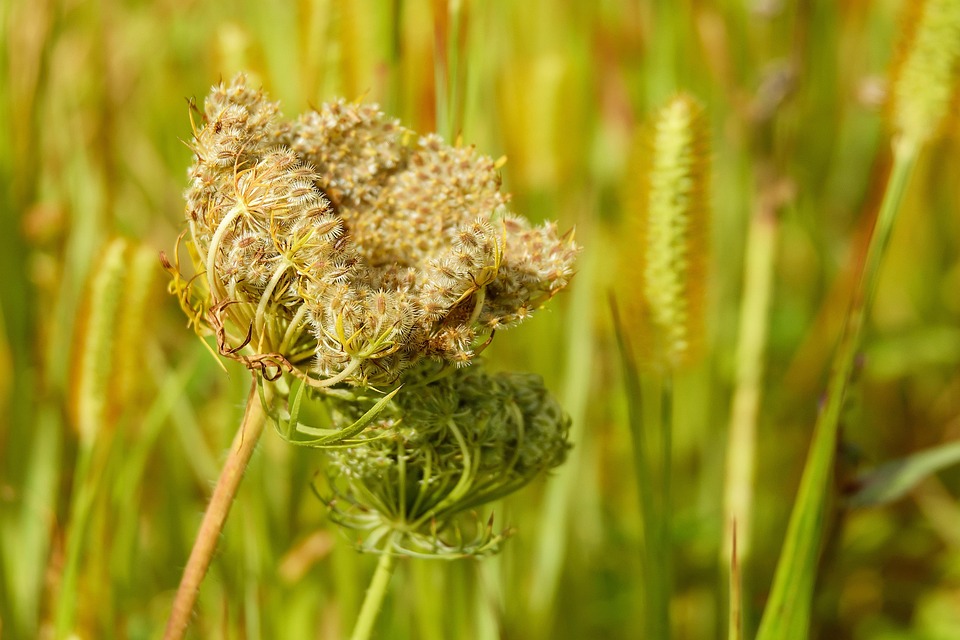
This natural oil, extracted from the seeds of the Daucus carota plant, offers a rich profile of nutrients and properties that can significantly aid in skin recovery. It is packed with antioxidants, essential fatty acids, and vitamins that may help combat the detrimental effects of UV exposure. Understanding how to harness its benefits can lead to healthier, more radiant skin.
Integrating carrot seed oil into your skincare routine can provide a multifaceted approach to healing and nurturing sun-damaged skin. From moisturizing to protecting against further damage, this oil serves various purposes that can enhance skin health. The following guide will delve deeply into its application, benefits, and the science behind its effectiveness.
Exploring the practical uses and strategies to incorporate carrot seed oil into daily routines will empower individuals to take proactive steps toward skin recovery. With the right knowledge, anyone can nourish their skin and restore its natural glow.
How to Use Carrot Seed Oil for Real Results
- Best Form: Cold-pressed oil
- Best Time: After cleansing
- Expected Result: Improved skin texture and reduced pigmentation
For Daily Protection
The Prep: Begin with a clean face. Gather the necessary ingredients: carrot seed oil, a carrier oil like jojoba or sweet almond oil, and a small glass dropper. This setup allows for precise measurement and application.
The Action: Mix a few drops of carrot seed oil with a carrier oil in the palm of your hand. Apply the mixture evenly across your face and neck, gently massaging it into the skin in circular motions. This can be done every morning after cleansing to provide a protective layer against environmental stressors.
The Feeling: As you apply the oil, you may notice a warm, comforting sensation. The oil absorbs quickly, leaving a slight sheen on the skin that feels nourishing without being greasy. This sensation can last throughout the day, providing ongoing hydration.
Pro Tip: Use this oil blend before applying sunscreen for added protection against UV damage.
Targeting Specific Areas
The Prep: Identify areas of concern, such as sunspots or dry patches. Gather carrot seed oil, a cotton ball or swab, and an optional soothing agent like aloe vera gel.
The Action: Apply a drop of carrot seed oil directly to the affected area using a cotton ball or swab. For added hydration, you can mix it with aloe vera gel. This targeted approach can be done twice daily to encourage healing.
The Feeling: The oil may impart a slight tingling sensation as it penetrates the skin. Over time, you might notice a reduction in the visibility of sunspots and an improvement in skin texture.
Pro Tip: Consistency is key; make this a part of your daily skincare regimen for the best results.
The Nighttime Routine
The Prep: Before bed, ensure your skin is thoroughly cleansed. You will need carrot seed oil, a gentle facial cleanser, and a soft towel.
The Action: After cleansing, apply a few drops of carrot seed oil directly onto the skin. Gently massage it into the face and neck, allowing it to absorb overnight. This process can be repeated nightly to support skin repair during sleep.
The Feeling: As you massage the oil into your skin, expect a soothing, calming effect. The oil leaves a light film that feels nourishing, promoting relaxation as you prepare for sleep.
Pro Tip: Pair this with a calming facial massage to enhance relaxation and improve circulation.
Common Errors to Avoid When Using Carrot Seed Oil
Using Low Quality Oils
Selecting low-quality carrot seed oil can diminish its effectiveness. Cheap oils may contain fillers or synthetic additives that can irritate the skin. Always opt for organic, cold-pressed oils to ensure purity and potency.
To avoid this mistake, research reputable brands known for their quality. Look for oils that specify they are cold-pressed and free from additives. Investing in high-quality oil ensures that you receive the full range of benefits.
Overapplying the Oil
While carrot seed oil is beneficial, applying too much can lead to clogged pores and breakouts. Finding the right balance is crucial for achieving optimal results without adverse effects.
Start with a small amount, gradually increasing as needed. Observe how your skin responds to avoid overwhelming it. This approach helps maintain skin clarity while allowing the oil to work effectively.
Neglecting Sun Protection
Relying solely on carrot seed oil without proper sun protection can lead to further skin damage. While the oil has protective properties, it should not replace sunscreen.
Integrate carrot seed oil into your routine as a supplement to sunscreen. Apply it before your SPF product to enhance skin hydration and protection. This strategy provides a comprehensive approach to sun damage repair.
Understanding the Mechanism Behind Carrot Seed Oil
Carrot seed oil promotes skin healing through its rich composition of beta-carotene and antioxidants. These compounds work synergistically to repair damaged skin cells and reduce inflammation. The oil penetrates deeply, nourishing the skin from within.
The key compound in carrot seed oil is carotol, a natural sesquiterpene alcohol. Carotol not only aids in skin regeneration but also possesses antimicrobial properties. This makes it effective in preventing infections, particularly in damaged skin areas.
Clinical evidence supports the effectiveness of carrot seed oil in skin repair. A study published in the Journal of Cosmetic Dermatology found that beta-carotene can significantly improve skin hydration and reduce signs of aging. For more in-depth information, visit PubMed.
Choosing the Right Product
-
Potency: Look for oils with a high concentration of active compounds. This ensures that you receive maximum benefits for skin repair and rejuvenation.
-
Purity: Ensure the oil is free from additives or synthetic ingredients. Pure carrot seed oil will deliver the most effective results without risking skin irritation.
-
Form: Cold-pressed oil is preferable, as this method preserves the integrity of the nutrients. This form maximizes the oil’s healing properties, making it more effective for sun damage repair.
Benefits vs Risks
| The Benefits | Potential Downsides |
|---|---|
| Rich in antioxidants that combat free radicals | Possible irritation for sensitive skin types |
| Promotes skin regeneration and hydration | Can cause breakouts if overapplied |
| Natural UV protection and anti-inflammatory properties | Not a substitute for sunscreen |
Complementary Lifestyle Habits
Incorporating a balanced diet rich in antioxidants can enhance the benefits of carrot seed oil. Foods like berries, leafy greens, and nuts support skin health from within.
Staying hydrated is equally essential. Drinking adequate water throughout the day helps maintain skin elasticity and overall health, further promoting the effects of topical treatments.
Who Should Avoid This?
– Individuals with known allergies to carrot or related plants should avoid carrot seed oil.
– Those with extremely sensitive skin may experience irritation and should conduct a patch test before widespread use.
– Pregnant or nursing women should consult a healthcare provider before using this oil.
Common Questions
Can carrot seed oil help with acne scars?
Carrot seed oil may aid in reducing the appearance of acne scars due to its regenerative properties. Regular use can promote skin healing.
Is carrot seed oil safe for all skin types?
While generally safe, individuals with sensitive skin should perform a patch test to ensure no adverse reactions occur.
How long does it take to see results?
Results can vary, but consistent use over several weeks typically yields noticeable improvements in skin texture and clarity.
Can it be mixed with other oils?
Yes, carrot seed oil can be blended with other carrier oils to enhance its benefits and tailor its properties to your skin’s needs.
The Bottom Line
Carrot seed oil offers a natural and effective option for repairing sun-damaged skin.
- The Truth: Results may take time and vary from person to person.
- The Strategy: Use it consistently as part of a comprehensive skincare routine.
- The Next Step: Consider pairing it with a nutrient-rich diet for optimal skin health.
Get Your FREE Natural Health Guide!
Subscribe now and receive our exclusive ebook packed with natural health tips, practical wellness advice, and easy lifestyle changes, delivered straight to your inbox.