
The quest for optimal health often leads individuals to explore various dietary components that can enhance cellular function. One such component gaining attention is spermidine, a naturally occurring polyamine found in certain foods. Research suggests that spermidine plays a crucial role in cellular processes such as autophagy, which is essential for removing damaged cells and promoting longevity. This connection between spermidine and cellular health presents a compelling reason for individuals to consider incorporating spermidine-rich foods into their diets.
Many people today face challenges like fatigue, impaired cognitive function, and a heightened risk of chronic diseases. These issues often stem from cellular stress and damage. By nourishing cells with the right nutrients, it is possible to mitigate some of these concerns. Spermidine-rich foods can support cellular repair and regeneration, making them a valuable addition to a holistic wellness strategy. Understanding how to effectively utilize these foods can empower individuals to take charge of their health in a practical and sustainable manner.
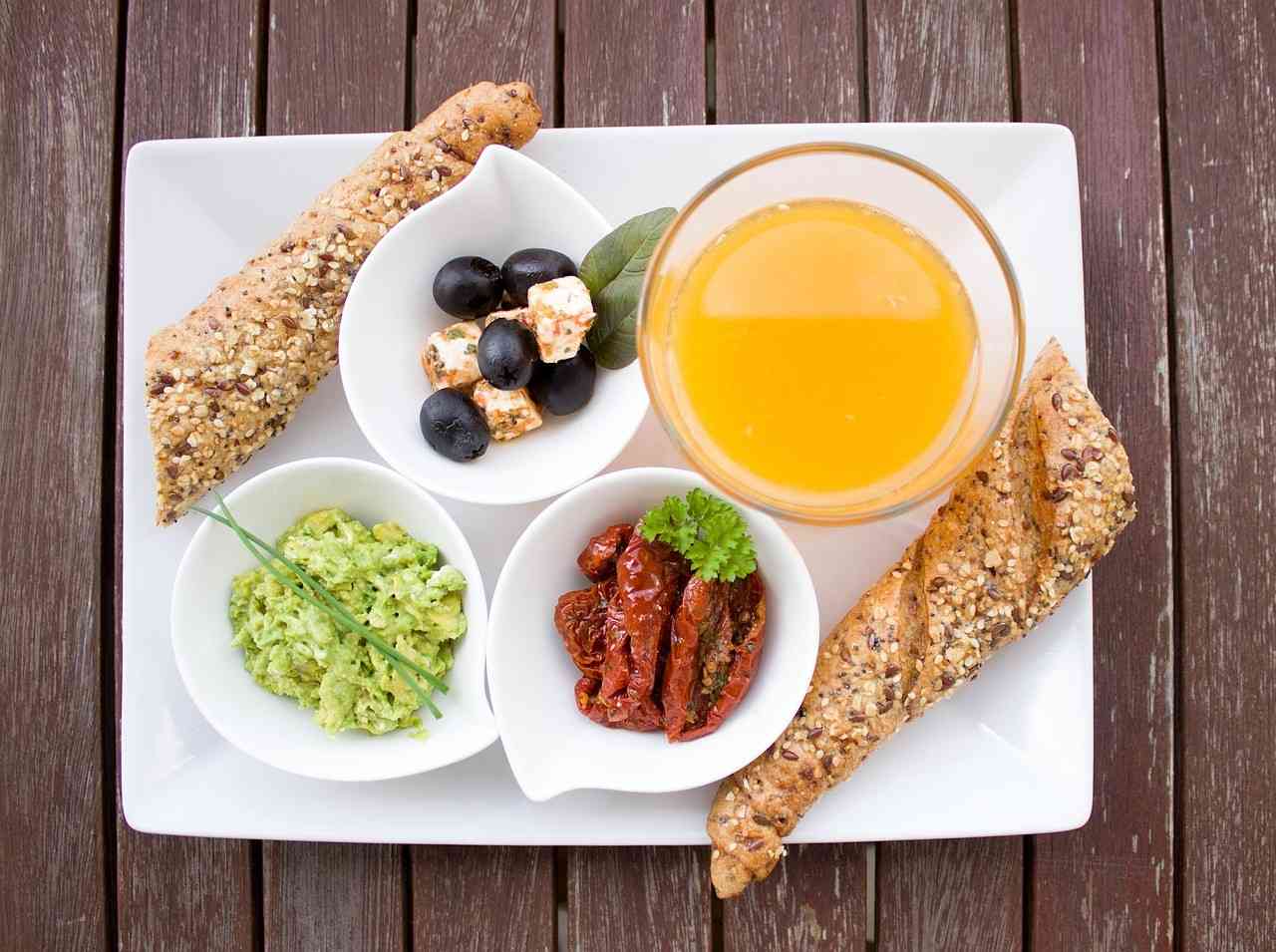
Spermidine is found in a variety of foods, ranging from whole grains to specific vegetables and fermented products. The diversity of sources means that anyone can find a way to include these nutrient-dense options in their meals. The benefits extend beyond mere cellular nourishment; they also encompass mental clarity, improved energy levels, and a reduced risk of age-related diseases. This guide will delve into how to effectively incorporate spermidine-rich foods into your daily routine, while also addressing common pitfalls and the underlying science behind their benefits.
In the following sections, we will explore actionable strategies for getting the most from these foods, common mistakes to avoid, the scientific mechanisms at play, and practical advice for choosing the right products. This comprehensive approach aims to equip you with the knowledge to enhance your cellular health and overall well-being.
Contents
How to Use Spermidine-Rich Foods for Real Results
- Best Form: Whole foods
- Best Time: During meals
- Expected Result: Enhanced cellular function
For Daily Protection
The Prep: Begin your day with a hearty breakfast featuring whole grains like oats or whole wheat toast. Gather ingredients such as rolled oats, almond milk, and a handful of walnuts. This combination not only provides spermidine but also essential fats and fiber.
The Action: Cook the oats in almond milk until creamy. Top with crushed walnuts and a drizzle of honey for sweetness. This nourishing bowl can be enjoyed warm or cold, depending on preference.
The Feeling: Expect a warm, comforting sensation as you consume this meal. The combination of fiber and healthy fats will leave you feeling satiated for hours. You may notice a boost in energy and mental clarity throughout your morning.
Pro Tip: Consider adding a sprinkle of cinnamon for an extra flavor kick and additional health benefits.
Boosting Immune Function
The Prep: For a midday snack, prepare a vibrant salad using spinach, broccoli, and chickpeas. These ingredients are rich in spermidine and provide a range of other nutrients vital for immune health.
The Action: Toss fresh spinach leaves with steamed broccoli florets and canned chickpeas. Dress with olive oil, lemon juice, and a pinch of salt. This salad can be served immediately or stored for later enjoyment.
The Feeling: Upon eating, you will likely experience a refreshing crunch and a burst of flavors. The fiber content will also promote digestive health, contributing to overall well-being.
Pro Tip: Add a sprinkle of sunflower seeds for an additional crunch and a boost in vitamin E.
The Evening Routine
The Prep: For dinner, focus on incorporating mushrooms and whole grains. Gather ingredients such as brown rice, shiitake mushrooms, and kale for a nutrient-dense meal.
The Action: Sauté shiitake mushrooms in olive oil until golden brown. Add cooked brown rice and steamed kale, mixing well. Season with tamari or soy sauce for flavor.
The Feeling: This dish will have a rich umami flavor profile, providing a satisfying experience. The combination of complex carbohydrates and protein will help you feel full and content as you wind down for the evening.
Pro Tip: Consider adding a splash of apple cider vinegar for an extra zing and potential digestive benefits.
Common Mistakes to Avoid
Overlooking Quality of Ingredients
Many individuals focus solely on the quantity of spermidine-rich foods without considering the quality of the ingredients. Low-quality produce or processed foods can contain fewer nutrients and may not provide the same health benefits. Choosing organic or locally sourced ingredients can significantly enhance the nutritional profile of your meals. Opt for fresh, whole foods whenever possible to maximize the benefits of spermidine.
Another common error is relying on supplements instead of whole foods. While some may find convenience in pills or powders, these can lack the synergistic compounds found in natural foods. Prioritize whole food sources to ensure a balanced intake of all nutrients necessary for optimal cellular health.
Ignoring Preparation Methods
How food is prepared can greatly influence its nutrient content. Overcooking vegetables can lead to nutrient loss, including spermidine. Steaming or lightly sautéing is often best for preserving the integrity of the nutrients. Avoid frying or boiling for extended periods, as these methods can degrade essential compounds.
Additionally, some individuals may not realize the impact of fermentation on spermidine levels. Fermented foods like sauerkraut or kimchi are rich in this compound. Incorporating these foods into your diet can enhance your overall intake of spermidine and beneficial probiotics.
Neglecting Dietary Balance
Focusing solely on spermidine-rich foods without considering overall dietary balance can lead to deficiencies in other essential nutrients. A well-rounded diet should include a variety of food groups. Ensure that your meals contain adequate proteins, healthy fats, and carbohydrates alongside spermidine-rich options.
Balanced meals support not only cellular health but also overall well-being. A diverse diet will provide the necessary vitamins and minerals required for optimal functioning, preventing potential deficiencies that can arise from restrictive eating patterns.
The Science of Spermidine
Spermidine functions as a polyamine involved in cellular growth and function. It plays an essential role in cellular processes such as gene regulation and cell signaling. By promoting autophagy, spermidine helps remove damaged cellular components, thereby supporting overall health. This process is crucial for maintaining cellular integrity and function, particularly as we age.
The key compound in spermidine-rich foods is, unsurprisingly, spermidine itself. Found in foods such as aged cheese, mushrooms, and whole grains, it acts as a signaling molecule that encourages cellular repair. This compound has been linked to various health benefits, including improved cardiovascular health and increased lifespan, making it a focal point in nutritional science.
Clinical studies have demonstrated the potential benefits of spermidine. Research indicates that dietary spermidine can enhance autophagy and promote longevity. A study published in the journal Cell demonstrated that spermidine supplementation in mice led to increased lifespan and improved cardiovascular health. For more in-depth research, refer to this PubMed search for further evidence on the health benefits of spermidine.
Choosing the Right Product
- Potency: High potency ensures that you receive a sufficient amount of spermidine to experience its benefits. Look for products with clearly labeled dosages.
- Purity: Products should be free from unnecessary additives and fillers. A clean formulation ensures that you are only receiving the beneficial compounds.
- Form: Choose between whole foods, supplements, or fortified products based on your lifestyle and preferences. Whole foods often provide a broader range of nutrients and are generally recommended.
Benefits vs Risks
| The Benefits | Potential Downsides |
|---|---|
| Promotes cellular health and longevity | May cause digestive discomfort in some individuals |
| Supports immune function | Not all spermidine sources are equal in potency |
| Enhances mental clarity and energy levels | Possible interactions with certain medications |
Habits for Enhancing Benefits
Integrating regular physical activity into your lifestyle can significantly amplify the effects of spermidine-rich foods. Exercise promotes autophagy and improves overall cellular function, making it a complementary practice.
Mindfulness practices such as meditation can also enhance the benefits. Stress management supports cellular health by reducing oxidative stress, allowing spermidine to work more effectively in promoting cellular repair.
Who Should Avoid This?
- Individuals with specific allergies to spermidine-rich foods
- Those on certain medications that may interact with spermidine
- Pregnant or breastfeeding women should consult a healthcare provider before making significant dietary changes
Common Questions
What foods are high in spermidine?
Foods like aged cheese, mushrooms, and whole grains are excellent sources of spermidine.
Can spermidine help with aging?
Research suggests that spermidine may promote longevity by enhancing autophagy and cellular repair processes.
Is it safe to take spermidine supplements?
While generally considered safe, individuals should consult healthcare providers before starting any new supplement.
How can I incorporate more spermidine into my diet?
Focus on including more whole grains, legumes, and fermented foods in your meals for optimal spermidine intake.
Bottom Line
Incorporating spermidine-rich foods into your diet can significantly enhance your cellular health.
- The Truth: Not all foods are created equal, and sourcing high-quality options matters.
- The Strategy: Include these foods in balanced meals for maximum benefit.
- The Next Step: Start your day with a nourishing breakfast rich in whole grains.
Get Your FREE Natural Health Guide!
Subscribe now and receive our exclusive ebook packed with natural health tips, practical wellness advice, and easy lifestyle changes, delivered straight to your inbox.