
When I was in my late twenties, I began to notice a persistent ache in my knees. At first, I brushed it off as a consequence of my active lifestyle—after all, I was an avid runner. However, as time went on, the discomfort became harder to ignore. It wasn’t until I stumbled upon the concept of bone health that I realized my diet could play a crucial role in the well-being of my skeletal system.
Bone health is often overlooked, yet it is foundational to overall wellness. The foods we eat can significantly impact our bone density and strength. This article delves into the healing foods that nourish your bones, exploring their benefits, practical applications, and the science behind them.
Contents
Understanding Bone Health
Bone is a living tissue that is constantly being remodeled. It is made up of minerals, collagen, and living cells. As we age, our bone density can decrease, leading to conditions like osteoporosis. According to the National Osteoporosis Foundation, approximately 54 million Americans have low bone density or osteoporosis. This statistic may sound alarming, but the good news is that we can take proactive steps to strengthen our bones through diet.
Key Nutrients for Bone Health
Before diving into specific foods, let’s explore the key nutrients that play a vital role in maintaining bone health:
-
Calcium: This mineral is the primary component of bone tissue. The recommended daily intake for adults varies, but it’s generally around 1,000 mg to 1,200 mg.
-
Vitamin D: Essential for calcium absorption, vitamin D can be obtained from sunlight, certain foods, and supplements.
-
Magnesium: This mineral helps convert vitamin D into its active form and is crucial for bone structure.
-
Vitamin K: Important for bone metabolism and plays a role in bone mineralization.
-
Phosphorus: Works alongside calcium to build strong bones.
-
Omega-3 Fatty Acids: These healthy fats have anti-inflammatory properties that may help preserve bone density.
Understanding these nutrients is the first step toward making informed dietary choices that can support your bone health effectively.
Healing Foods for Stronger Bones
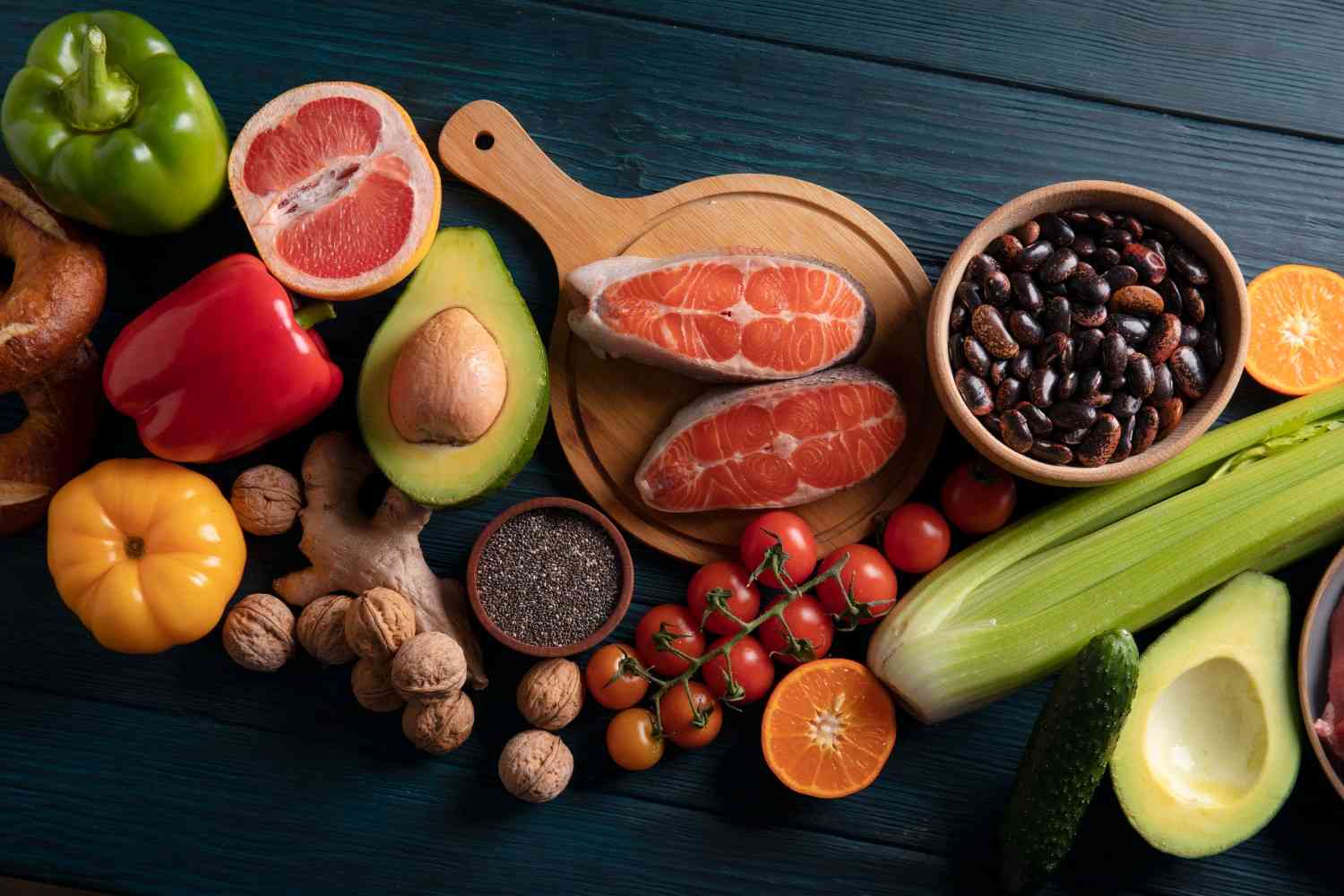
Now that we have a grasp of the essential nutrients, let’s look at specific foods that can help nourish our bones.
1. Leafy Greens
Examples: Kale, spinach, collard greens
Leafy greens are packed with calcium, magnesium, and vitamin K. For example, one cup of cooked kale offers about 94 mg of calcium and is also rich in vitamin K, which is essential for bone metabolism.
Practical Application:
Incorporate leafy greens into your daily diet. Try blending spinach into a smoothie or sautéing kale with garlic and olive oil for a delicious side dish.
Caveat:
While leafy greens are beneficial, some varieties (like spinach) contain oxalates, which can inhibit calcium absorption. Balancing your intake with other calcium sources is wise.
2. Fatty Fish
Examples: Salmon, mackerel, sardines
Fatty fish are excellent sources of vitamin D and omega-3 fatty acids. For instance, a 3-ounce serving of salmon provides about 570 IU of vitamin D—almost the entire recommended daily intake.
Real-Life Example:
I’ve incorporated salmon into my weekly meal prep. A simple recipe involves baking it with lemon and herbs, serving it alongside a quinoa salad. This combination not only satisfies my palate but also boosts my bone health.
Counterpoint:
While fatty fish are beneficial, they’re also high in mercury. It’s advisable to limit consumption of larger fish like swordfish and shark and opt for smaller fish instead.
3. Dairy Products
Examples: Milk, yogurt, cheese
Dairy products are often the go-to sources of calcium. A cup of yogurt can provide around 300 mg of calcium, along with protein and probiotics, which are beneficial for gut health.
Common Mistake:
Some people avoid dairy due to lactose intolerance. Alternatives like lactose-free milk or fortified plant-based milks (like almond or soy) can provide similar benefits.
Personal Reflection:
I used to shy away from dairy, thinking it would upset my stomach. However, I discovered lactose-free yogurt, which allows me to enjoy the benefits without discomfort.
4. Nuts and Seeds
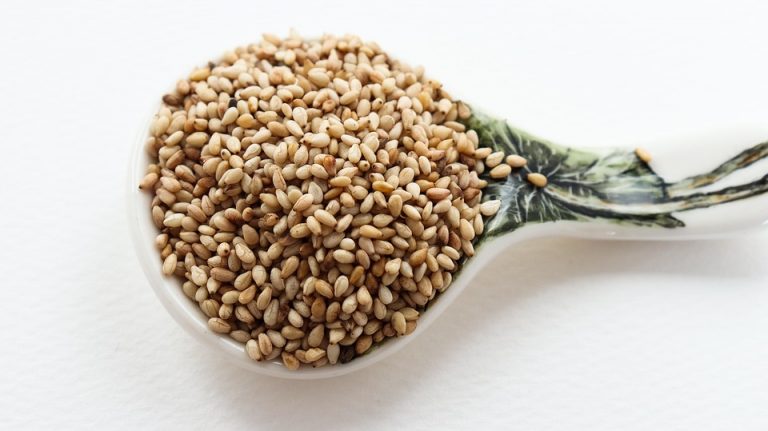
Examples: Almonds, chia seeds, sesame seeds
Nuts and seeds are rich in magnesium, phosphorus, and healthy fats. A handful of almonds contains about 76 mg of calcium and is a convenient snack.
Practical Tip:
Try adding chia seeds to your morning oatmeal or yogurt. They not only enhance nutritional value but also add texture and flavor.
Honest Caveat:
While nuts and seeds are healthy, they are calorie-dense. Moderation is key to avoid excessive calorie intake.
5. Fortified Foods
Examples: Fortified cereals, orange juice, plant-based milks
Many products are fortified with calcium and vitamin D to help meet dietary needs. For example, a cup of fortified orange juice can provide about 300 mg of calcium.
Insight:
I’ve noticed that incorporating fortified foods into my breakfast routine makes it easier to meet my daily nutrient goals. A bowl of fortified cereal with almond milk is a quick and nutritious start to my day.
6. Beans and Legumes
Examples: Chickpeas, lentils, black beans
Beans and legumes are not only high in protein but also provide calcium, magnesium, and phosphorus. A cup of cooked black beans has about 46 mg of calcium and is rich in fiber.
Cultural Context:
In many cultures, beans are a staple food. For instance, in Mediterranean diets, legumes are often included in salads and stews, showcasing their versatility and health benefits.
Practical Application:
Incorporate beans into soups, salads, or as a side dish. A simple recipe involves making a bean salad with black beans, corn, diced tomatoes, and a lime dressing.
7. Whole Grains
Examples: Quinoa, brown rice, oats
Whole grains are rich in magnesium and can help maintain bone density. A cup of cooked quinoa offers about 31 mg of magnesium and is a complete protein.
Anecdote:
I’ve found that swapping white rice for quinoa not only enhances the nutritional profile of my meals but also adds a nutty flavor that I enjoy.
Caveat:
Some whole grains contain phytic acid, which can inhibit mineral absorption. Soaking or fermenting grains can help reduce this effect.
8. Fruits
Examples: Oranges, figs, prunes
Certain fruits are surprisingly beneficial for bone health. Oranges are high in vitamin C, which is essential for collagen formation, while prunes have been linked to improved bone density.
Personal Insight:
I started snacking on prunes after learning about their benefits for bone health. They’re sweet, chewy, and a great alternative to candy.
9. Tofu and Other Soy Products
Tofu is an excellent source of calcium and can be a great alternative for those who are lactose intolerant or vegan.
Practical Tip:
Incorporate tofu into stir-fries or salads. Marinating it in soy sauce and sesame oil adds flavor and enhances its nutritional profile.
Caveat:
While soy has many benefits, some individuals may have sensitivities. It’s important to listen to your body and choose what works best for you.
10. Herbs and Spices
Examples: Turmeric, ginger, garlic
While not typically considered a primary source of nutrients, herbs and spices can enhance bone health due to their anti-inflammatory properties. Turmeric, for instance, contains curcumin, which may help preserve bone density.
Personal Reflection:
I love incorporating turmeric into my cooking. A simple turmeric latte has become a cozy evening ritual that not only warms me up but also supports my bone health.
Putting It All Together: A Day for Your Bones
Creating a daily meal plan that incorporates these bone-nourishing foods doesn’t have to be complicated. Here’s a sample day that combines various food groups for optimal bone health:
- Breakfast: Fortified oatmeal topped with sliced almonds and fresh berries.
- Snack: A small bowl of yogurt with chia seeds and honey.
- Lunch: A quinoa salad with chickpeas, diced bell peppers, and a lemon-tahini dressing.
- Snack: A piece of fruit, like an orange or a handful of prunes.
- Dinner: Grilled salmon served with steamed kale and brown rice.
Conclusion: Nourishing Your Bones is a Lifelong Journey
As I reflect on my journey toward better bone health, I realize that it’s not just about individual foods but a holistic approach to nutrition. Incorporating a variety of nutrient-rich foods can make a significant difference in maintaining strong bones.
Remember, this article is for educational purposes only and does not replace professional medical guidance. Always speak with a qualified healthcare provider before making changes to your health routine.
FAQs
1. How much calcium do I need daily?
Adults generally need around 1,000-1,200 mg of calcium per day.
2. Can I get enough vitamin D from food alone?
While some foods provide vitamin D, sunlight is a significant source. Supplements may be necessary for those with limited sun exposure.
3. Are there any foods I should avoid for better bone health?
Limit excessive caffeine and alcohol, as they can negatively impact bone density.
4. How can I increase my magnesium intake?
Incorporate foods like nuts, seeds, whole grains, and leafy greens into your diet.
5. Is exercise important for bone health?
Yes, weight-bearing exercises can help strengthen bones and enhance overall bone health.
References
- National Osteoporosis Foundation. (n.d.). “Osteoporosis Statistics.” NOF
- NIH Osteoporosis and Related Bone Diseases National Resource Center. (n.d.). “Calcium and Vitamin D.” NIH
- Harvard Health Publishing. (2020). “Nutrition and Bone Health.” Harvard
By considering the foods we eat, we can empower ourselves to maintain and improve our bone health. As you embark on this journey, remember to keep an open mind, explore new recipes, and enjoy the process of nourishing your body.
Get Your FREE Natural Health Guide!
Subscribe now and receive our exclusive ebook packed with natural health tips, practical wellness advice, and easy lifestyle changes, delivered straight to your inbox.