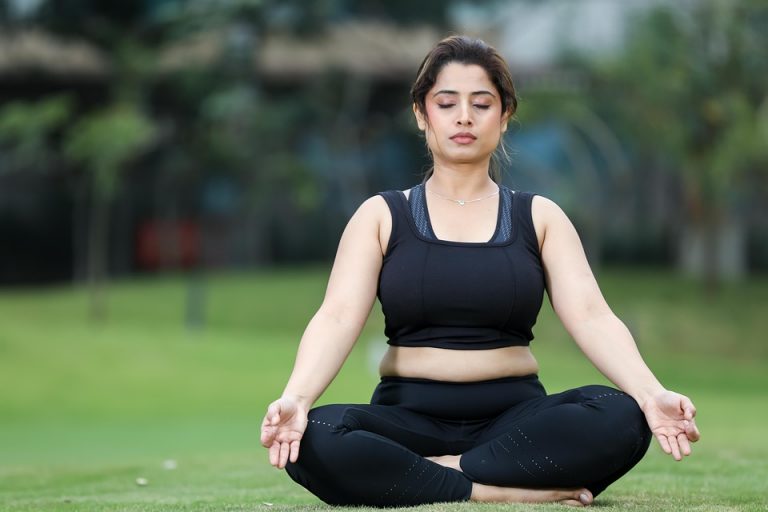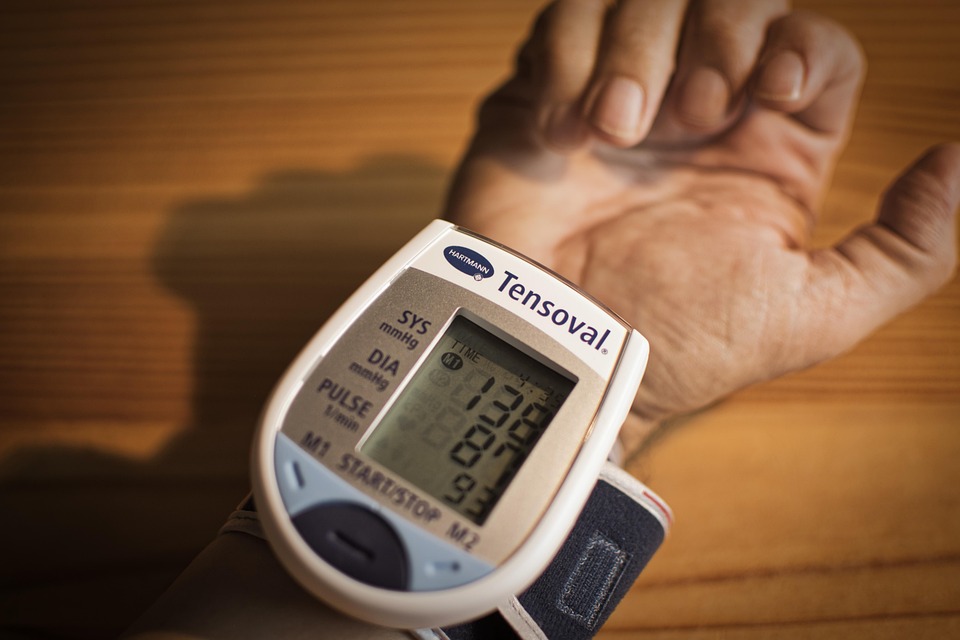

Hypertension, commonly known as high blood pressure, affects millions worldwide. It is often termed the “silent killer” because it frequently presents no symptoms until significant damage has occurred. Elevated blood pressure can lead to severe health complications, including heart disease, stroke, and kidney failure. For individuals seeking natural and effective methods to manage their blood pressure, mindfulness techniques have emerged as a promising solution. These practices not only promote relaxation but also help regulate physiological functions, including blood pressure.
Mindfulness encompasses a range of techniques designed to enhance awareness and focus on the present moment. By engaging in mindfulness, individuals can reduce stress, a significant contributor to hypertension. When the body is under stress, it releases hormones that constrict blood vessels and elevate heart rate, ultimately increasing blood pressure. By incorporating mindfulness into daily routines, individuals can create a buffer against stress-induced spikes in blood pressure.
This guide will explore various mindfulness techniques specifically aimed at lowering hypertension. Each technique will be detailed to ensure practical application, allowing readers to implement these strategies effectively. From deep breathing exercises to guided meditation, the following sections will provide comprehensive insights into how these practices can contribute to better heart health.
Understanding how to integrate mindfulness into daily life can be transformative. It empowers individuals to take control of their health and well-being. As you delve into the following techniques, remember that consistency is key. Regular practice can lead to substantial improvements in managing hypertension.

Contents
- How to Use Mindfulness Techniques for Real Results
- Common Pitfalls to Avoid in Mindfulness Practice
- The Mechanisms Behind Mindfulness and Hypertension
- Choosing the Right Mindfulness Tools
- Pros and Cons of Mindfulness Techniques
- Incorporating Mindfulness into Daily Life
- Who Should Avoid This?
- Common Questions
- The Bottom Line
How to Use Mindfulness Techniques for Real Results
- Best Form: Deep Breathing Exercises
- Best Time: Morning or during stressful situations
- Expected Result: Reduced heart rate and lowered blood pressure
For Daily Protection
The Prep: Gather a quiet space where you can sit comfortably. Ensure you have a timer set for your practice, ideally for 10 to 15 minutes. Consider playing soft background music or nature sounds to enhance the experience. Sit in a comfortable position, either cross-legged on the floor or in a chair with your feet flat.
The Action: Close your eyes and take a deep breath in through your nose, allowing your abdomen to expand. Hold for a moment, then exhale slowly through your mouth. Repeat this process, focusing your mind solely on your breath. If your thoughts wander, gently bring your focus back to the rhythm of your breathing. Continue this practice for the set duration.
The Feeling: Initially, you may experience a tingling sensation as your body relaxes. As you progress, you will notice a sense of calm enveloping you. This feeling may last well beyond the practice, providing a peaceful mindset throughout your day. Pro Tip: Incorporate this practice into your morning routine for optimal effects on daily stress management.
Targeting Acute Stress
The Prep: When faced with an immediate stressor, find a quiet corner where you can pause. A comfortable chair or a secluded spot outdoors can work well. Have a timer ready for five minutes of focused breathing.
The Action: Start by taking a deep breath in through your nose, allowing your lungs to fill completely. Exhale through your mouth, envisioning the stress leaving your body. Continue this cycle, focusing on the sensation of air entering and exiting your body. If distractions arise, acknowledge them and return your focus to your breath.
The Feeling: You may initially feel tension in your shoulders or neck. As you continue, this tension will dissipate, replaced by a warming sensation that spreads through your body. The calm you cultivate can help you approach stressful situations with a clearer mind. Pro Tip: Use this technique in high-pressure environments, such as before a presentation or meeting.
The Nighttime Routine
The Prep: Prepare your sleep environment by dimming the lights and turning off electronic devices. Lay comfortably in bed and set a timer for 10 minutes. You may wish to have a light blanket to enhance comfort.
The Action: Close your eyes and take a deep breath in, visualizing a peaceful scene, such as a quiet beach or a serene forest. As you exhale, release any tension from your body. Continue this visualization while focusing on your breath. Allow your mind to drift into this calming space, letting go of the day’s worries.
The Feeling: As you engage in this practice, you may notice a gradual relaxation of your muscles. A sense of heaviness may envelop you, signaling that your body is ready for sleep. This practice can lead to a restful night, reducing the risk of nocturnal blood pressure spikes. Pro Tip: Make this mindfulness practice a part of your nightly routine to promote better sleep quality.
Common Pitfalls to Avoid in Mindfulness Practice
Neglecting Consistency
Mindfulness requires consistent practice to yield results. Many individuals attempt mindfulness sporadically, hoping for immediate benefits. This approach often leads to frustration and disappointment. To cultivate a habit, set specific times for practice and stick to them. Regular engagement reinforces the benefits, making mindfulness a natural part of your daily life.
Lack of discipline can also hinder progress. When distractions arise, it is easy to abandon practice. Create reminders or integrate mindfulness into existing routines. This approach will help you stay committed and reap the rewards of lowered blood pressure.
Overlooking the Environment
The environment plays a crucial role in mindfulness practice. Practicing in a noisy or cluttered space can lead to distractions that disrupt focus. Choose a calm, serene setting for your sessions. If possible, find a designated area for mindfulness that is free from interruptions.
Additionally, consider the time of day you practice. Morning sessions can set a positive tone for the day, while evening practices can help unwind. Tailoring your environment and timing can enhance the effectiveness of mindfulness techniques.
Failing to Acknowledge Thoughts
Many people mistakenly believe that mindfulness requires a completely blank mind. This misconception can lead to frustration. Thoughts will arise during practice, and it is essential to acknowledge them without judgment. Recognize that this is part of the process.
Instead of fighting against your thoughts, observe them and gently guide your focus back to your breath. This acknowledgment helps cultivate a non-reactive mindset, which is beneficial for managing hypertension. Embracing this aspect of mindfulness allows for a more fruitful practice.
The Mechanisms Behind Mindfulness and Hypertension
Biological mechanisms underpin the efficacy of mindfulness techniques in reducing hypertension. When individuals engage in mindfulness, their bodies enter a state of relaxation. This state reduces the production of stress hormones like cortisol, which can constrict blood vessels and elevate heart rate. In contrast, mindfulness promotes the release of neurotransmitters such as serotonin and dopamine, which enhance mood and lower blood pressure.
Key compounds involved in this process include oxytocin and endorphins. These hormones foster feelings of well-being and relaxation. Their release can lead to improved cardiovascular health by promoting vasodilation, which allows blood vessels to widen. This widening decreases resistance in blood flow, ultimately lowering blood pressure.
Clinical studies validate the effectiveness of mindfulness in managing hypertension. Research indicates that mindfulness-based stress reduction (MBSR) programs can lead to significant reductions in blood pressure. For more detailed insights, refer to the findings in this PubMed study.
Choosing the Right Mindfulness Tools
- Potency: Ensure that any guided mindfulness resources or apps you choose are backed by research. This ensures that the techniques are effective and reliable.
- Purity: Look for mindfulness practices that are free from unnecessary distractions or fillers. This allows for a more genuine experience.
- Form: Choose formats that resonate with you, whether it’s audio, video, or written materials. Personal preference can enhance engagement and effectiveness.
Pros and Cons of Mindfulness Techniques
| The Benefits | Potential Downsides |
|---|---|
| Reduces stress and anxiety levels. | May require time to see significant results. |
| Promotes relaxation and emotional well-being. | Initial discomfort for those unaccustomed to mindfulness. |
| Can be practiced anywhere and anytime. | Requires commitment and consistency for effectiveness. |
Incorporating Mindfulness into Daily Life
Engaging in regular physical activity can enhance the effects of mindfulness techniques. Exercise releases endorphins and helps regulate blood pressure. Pairing mindfulness with physical movement, such as yoga or tai chi, can amplify benefits.
Maintaining a balanced diet is essential for overall health. Foods rich in potassium, magnesium, and omega-3 fatty acids support cardiovascular function. Incorporating mindfulness into meal preparation and eating can also enhance awareness of dietary choices and their impact on blood pressure.
Who Should Avoid This?
- Individuals with severe anxiety disorders.
- Those recovering from trauma without professional support.
- People with chronic pain conditions that may make mindfulness challenging.
- Anyone currently taking medications that affect mood or cognition.
Common Questions
Can mindfulness replace medication for hypertension?
Mindfulness can complement medication but should not replace it without consulting a healthcare professional.
How long should I practice mindfulness each day?
Starting with 10 to 15 minutes daily can be effective. Gradually increase as you become more comfortable.
Are there specific mindfulness techniques for beginners?
Deep breathing exercises and guided meditations are excellent starting points for beginners.
Can mindfulness help with other health issues?
Yes, mindfulness has been shown to benefit anxiety, depression, and chronic pain management.
The Bottom Line
Mindfulness techniques can be a valuable tool in managing hypertension. Regular practice can lead to significant improvements in blood pressure levels and overall well-being.
- The Truth: While mindfulness is beneficial, it requires commitment and time.
- The Strategy: Morning and evening practices can optimize results.
- The Next Step: Start incorporating mindfulness into your daily routine for lasting effects.
Get Your FREE Natural Health Guide!
Subscribe now and receive our exclusive ebook packed with natural health tips, practical wellness advice, and easy lifestyle changes, delivered straight to your inbox.