
The quest for the perfect morning boost often leads to a debate between matcha lattes and coffee. Both beverages have passionate advocates who swear by their energizing effects. The choice often stems from individual preferences, health goals, and even lifestyle factors. Understanding the unique properties of matcha and coffee can help you make an informed decision on which drink will elevate your mornings.
Coffee has long been the go-to for those seeking a caffeine kick. Its rich flavor and quick-acting energy boost make it a staple in many households. However, the potential downsides of coffee, such as jitteriness and crashes, can leave some individuals searching for alternatives. On the other hand, matcha offers a different approach to energy, combining caffeine with L-theanine, an amino acid that promotes relaxation without drowsiness. This unique blend can create a more balanced energy experience.
The choice between matcha and coffee is not merely about caffeine content. It involves exploring the health benefits and potential drawbacks of each drink. Matcha has been praised for its high antioxidant content and ability to promote mental clarity. Coffee has its own set of benefits, including improved metabolism and enhanced physical performance. The decision ultimately hinges on how these beverages align with your personal wellness goals.
This guide dives deep into the practical applications, science, and lifestyle considerations surrounding matcha lattes and coffee. It aims to provide a comprehensive understanding of which drink might serve you best, helping you fuel your day effectively.
Contents
How to Use Matcha Latte or Coffee for Real Results
- Best Form: Matcha powder or brewed coffee.
- Best Time: Morning or early afternoon.
- Expected Result: Sustained energy and focus.
For Daily Protection
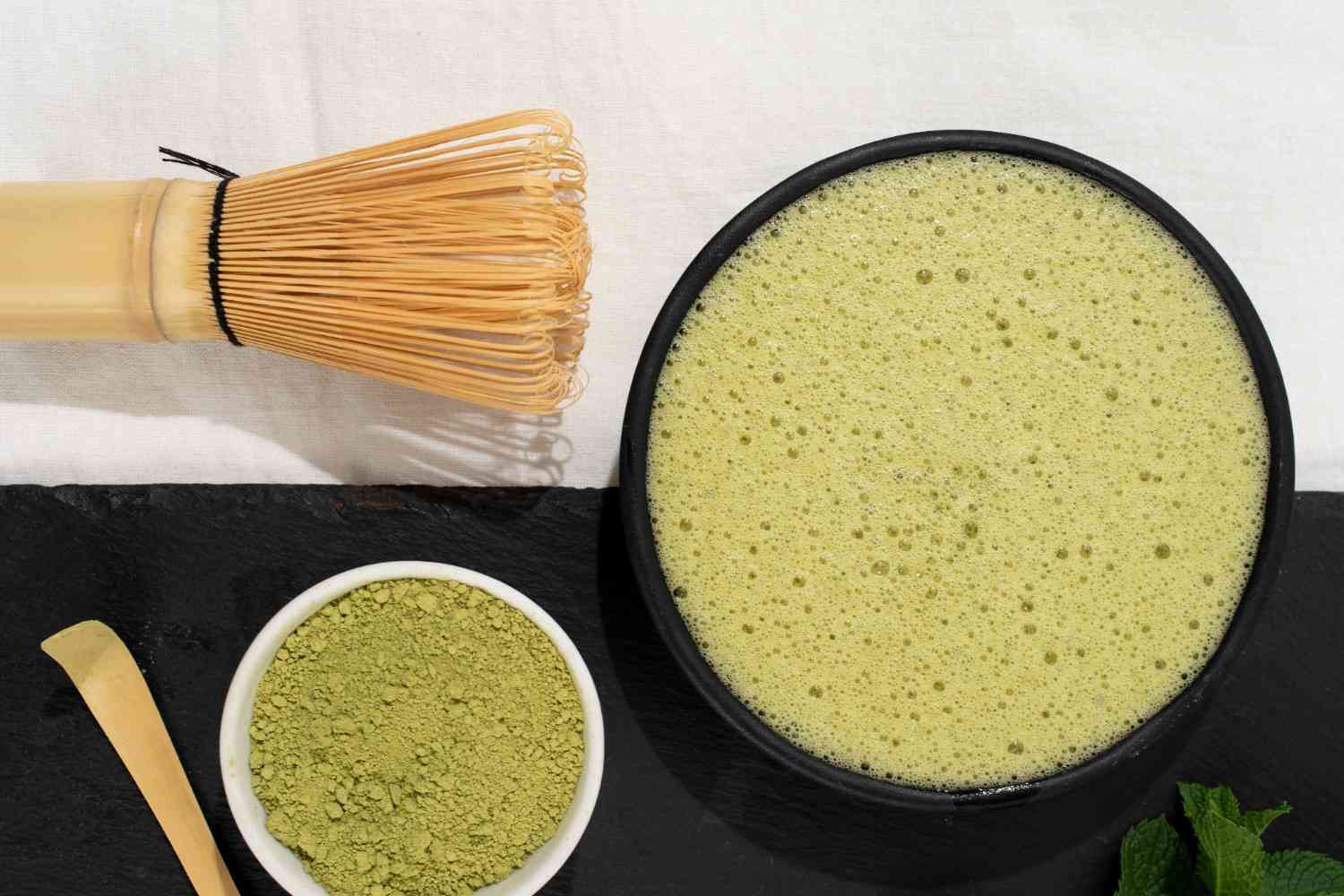
The Prep: Start with high-quality matcha powder or freshly ground coffee beans. If using matcha, you will need hot water and a whisk or frother. For coffee, gather fresh water and your preferred brewing method, whether it’s a French press or drip coffee maker.
The Action: For matcha, measure about one to two teaspoons of matcha powder into a bowl. Add about two ounces of hot water and whisk until frothy. For coffee, measure out your coffee beans and brew according to your method, aiming for a rich, balanced flavor.
The Feeling: Matcha provides a smooth, earthy taste that lingers pleasantly. The caffeine release is gradual, leading to a gentle uplift in mood and alertness. Coffee delivers a more immediate energy surge, often accompanied by a warm, comforting aroma. The duration of energy from matcha can last for hours without the crash, while coffee may lead to a quicker decline after its peak.
Pro Tip: Consider adding a splash of nut milk or a natural sweetener to enhance the flavor profile of your drink.
Targeting Afternoon Slumps
The Prep: Gather your matcha or coffee supplies again, focusing on quality. For matcha, you may want to add a milk alternative to create a latte. For coffee, consider using a cold brew method for a refreshing option.
The Action: To make a matcha latte, whisk matcha with hot water and then add steamed milk of your choice. For coffee, brew a strong cup and let it cool slightly before serving over ice with milk or a sweetener.
The Feeling: The matcha latte offers a creamy texture that feels indulgent yet light. It can help you regain focus and calm your mind without jitters. The cold brew coffee, on the other hand, provides a refreshing burst of energy, perfect for combating that mid-afternoon slump.
Pro Tip: Experiment with flavors by adding spices like cinnamon or vanilla to your drink for an extra boost.
The Evening Wind Down
The Prep: For a calming evening drink, consider making a decaffeinated coffee or a matcha blend with lower caffeine content. Gather your ingredients and a cozy mug.
The Action: Brew a decaf coffee or prepare a matcha latte using less matcha powder. Add a dash of honey or a sprinkle of cinnamon for flavor.
The Feeling: Decaf coffee can provide a comforting ritual without the stimulating effects of caffeine. Matcha, when used sparingly in the evening, can promote relaxation while still offering a hint of energy. Both drinks can help you unwind after a busy day.
Pro Tip: Pair your evening drink with a relaxing activity, such as reading or gentle stretching, to enhance the calming effects.
Common Mistakes to Avoid
Using Low Quality Ingredients
Choosing low-quality matcha or coffee can significantly impact your experience. Inferior matcha may taste bitter and lack the vibrant green color associated with high-quality varieties. Similarly, low-grade coffee can lead to a sour taste and poor extraction of beneficial compounds.
Investing in premium matcha and freshly roasted coffee can elevate both the flavor and health benefits. Quality ingredients tend to contain higher levels of antioxidants and beneficial compounds, enhancing the overall experience.
Overconsumption of Caffeine
Many people underestimate how much caffeine they consume in a day. Drinking multiple cups of coffee or matcha can lead to increased anxiety, insomnia, and digestive issues.
Monitoring your caffeine intake is crucial for maintaining balance. Consider limiting your consumption to one or two servings per day and observe how your body responds. This approach allows you to enjoy the benefits without the negative side effects.
Ignoring Personal Sensitivities
Not everyone reacts the same way to caffeine. Some may find that coffee causes jitters or anxiety, while others might feel more balanced with matcha. Ignoring personal sensitivities can lead to discomfort and negative experiences.
Listening to your body is essential. If you experience adverse effects from one beverage, consider switching to the other or adjusting the serving size. Tailoring your choice to your unique needs can enhance your daily routine.
The Science Behind Your Morning Boost
Biological Mechanism: Both matcha and coffee contain caffeine, a stimulant that blocks adenosine receptors in the brain. This action increases alertness and reduces the perception of fatigue. However, matcha’s unique combination of caffeine and L-theanine promotes a state of calm alertness, reducing the jittery effects often associated with coffee.
Key Compound: Matcha is rich in catechins, a type of antioxidant that supports overall health. The primary catechin in matcha, EGCG, has been linked to various health benefits, including improved metabolism and fat oxidation. Coffee, while also containing antioxidants, primarily provides chlorogenic acids, which have been associated with improved glucose metabolism.
Clinical Evidence: Research indicates that both beverages can positively impact health. A study published in the American Journal of Clinical Nutrition found that coffee consumption is associated with a reduced risk of several chronic diseases. For matcha, studies suggest that its high antioxidant content may support cardiovascular health and brain function. For further reading, visit this PubMed link.
Choosing the Right Product
– **Potency:** Look for products that specify the caffeine content and antioxidant levels. Higher potency often translates to better results.
– **Purity:** Choose organic and high-quality brands to avoid contaminants and maximize health benefits. Purity affects flavor and overall effectiveness.
– **Form:** Consider whether you prefer powder, tea bags, or brewed coffee. The form can impact the preparation method and overall experience.
Benefits vs Risks
| The Benefits | Potential Downsides |
|---|---|
| Enhanced mental clarity and focus | Possible jitters with excess caffeine |
| Rich in antioxidants | Digestive issues for some individuals |
| Improved metabolism | Potential for insomnia if consumed late |
Habits for Optimal Benefits
Integrating mindfulness practices, such as meditation or yoga, can enhance the effects of both beverages. These practices promote overall well-being, making the energy boost from matcha or coffee more effective.
Staying hydrated throughout the day is crucial. Adequate hydration supports metabolic processes and can enhance the energizing effects of your chosen beverage.
Who Should Avoid This?
– Pregnant or breastfeeding individuals.
– People with caffeine sensitivity or anxiety disorders.
– Those with certain heart conditions or high blood pressure.
– Individuals on specific medications that may interact with caffeine.
Common Questions
Is matcha better than coffee?
Matcha offers a unique combination of caffeine and L-theanine, promoting calm alertness. Coffee provides a quicker energy boost, which can be beneficial depending on your needs.
Can I drink matcha in the evening?
While matcha contains caffeine, consuming it in moderation during the evening may be acceptable for some. Monitor your body’s response to find what works best for you.
How much caffeine is in matcha compared to coffee?
A typical serving of matcha contains about 70 mg of caffeine, while an 8-ounce cup of coffee can contain around 95 mg or more, depending on the brewing method.
Can I mix matcha with coffee?
Yes, combining matcha and coffee can create a unique flavor profile and provide benefits from both beverages. Experimenting with ratios can help you find the perfect blend.
The Bottom Line
Choosing between matcha latte and coffee depends on personal preferences and wellness goals. Each beverage has its unique benefits and potential drawbacks.
- The Truth: Both drinks can provide energy, but their effects vary significantly.
- The Strategy: Aim to enjoy them at optimal times to maximize benefits.
- The Next Step: Experiment with both options to discover which aligns best with your lifestyle.
Get Your FREE Natural Health Guide!
Subscribe now and receive our exclusive ebook packed with natural health tips, practical wellness advice, and easy lifestyle changes, delivered straight to your inbox.