
Many people struggle with sleep quality, often finding themselves tossing and turning through the night. Insomnia and anxiety can exacerbate this issue, leading to a cycle of fatigue and irritability. Despite the prevalence of sleep aids, many individuals seek natural solutions to enhance their night’s rest. One such option that has gained attention is the kiwi fruit, a vibrant and nutrient-dense food that may hold the key to better sleep.
Kiwi fruit is not only delicious but also packed with essential vitamins and minerals. Studies suggest that the unique combination of antioxidants and serotonin in kiwi might positively influence sleep patterns. This fruit is easy to incorporate into your diet, making it a practical choice for those looking to improve their sleep quality without resorting to pharmaceuticals or supplements.
Understanding how to effectively utilize kiwi can make a significant difference in your sleep routine. Whether enjoyed as a snack or added to a nighttime smoothie, this fruit offers various possibilities for consumption. By exploring the best practices for including kiwi in your diet, you can discover a natural way to enhance your sleep quality.
In this guide, you will learn how to harness the benefits of kiwi fruit for better sleep. From practical applications and common mistakes to the underlying science, you will gain a comprehensive understanding of how this fruit can be an effective tool in your wellness arsenal.
Contents
How to Use Kiwi for Real Results
- Best Form: Fresh, whole kiwi fruit.
- Best Time: 30 minutes before bedtime.
- Expected Result: Improved sleep onset and quality.
Incorporating Kiwi into Your Evening Snack
To begin, gather fresh kiwi fruits, a sharp knife, and a cutting board. Choose ripe kiwis that yield slightly to pressure, ensuring they are sweet and flavorful. Wash the fruit thoroughly to remove any pesticides or residues.
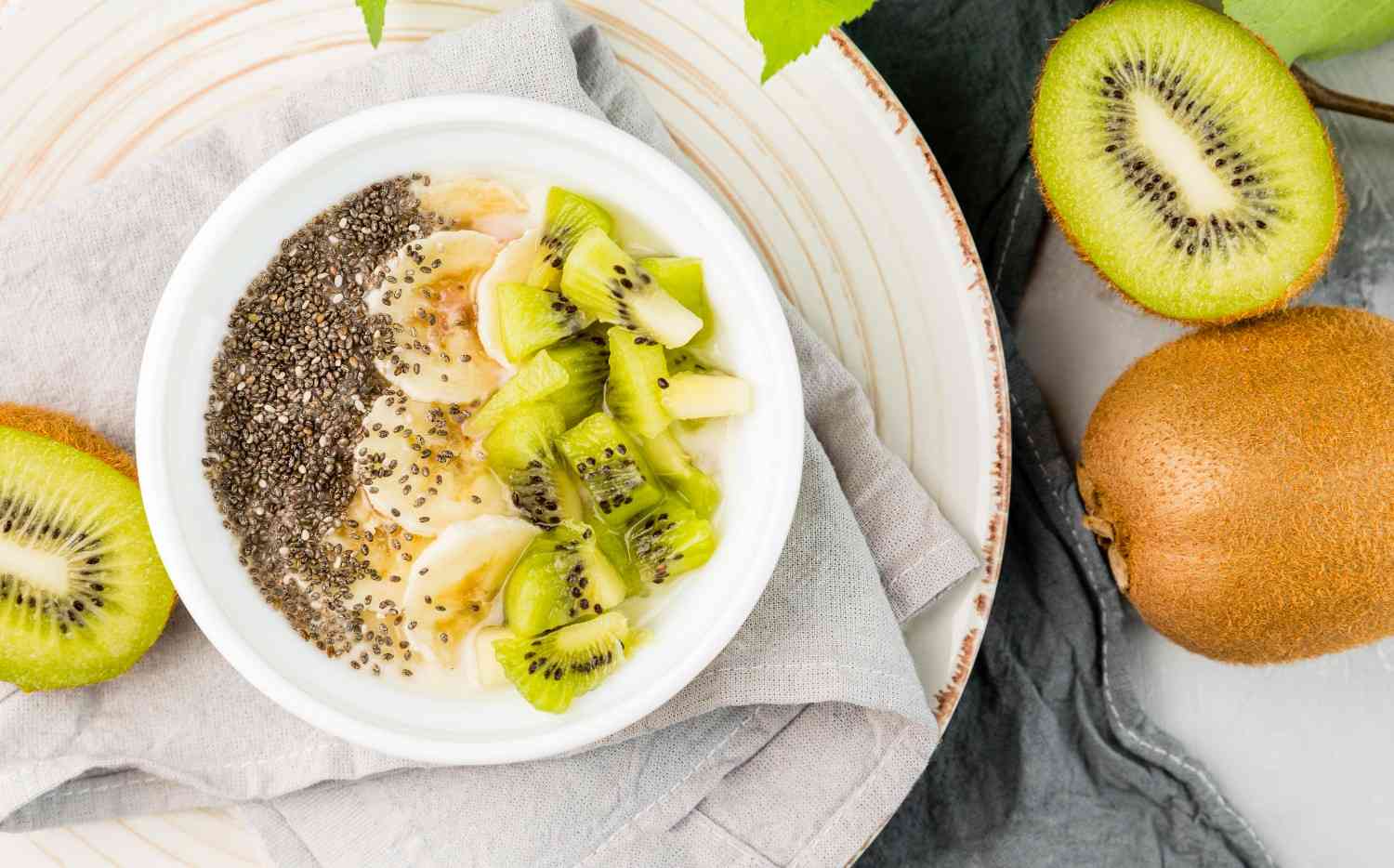
Slice the kiwi in half and scoop out the flesh with a spoon. Enjoy the fruit as is, or add it to a small bowl of yogurt for added protein. The natural sweetness of the kiwi pairs well with creamy textures, making it a delightful evening treat.
After consuming the kiwi, you may notice a gentle wave of relaxation as the serotonin begins to take effect. This sensation can last for a few hours, setting the stage for a restful night. Pro Tip: Combine kiwi with a handful of nuts for added healthy fats, which can also support sleep.
Creating a Kiwi Smoothie
For this option, you will need one ripe kiwi, a banana, a cup of almond milk, and a tablespoon of chia seeds. Gather a blender and all ingredients to make the process smooth and efficient.
Peel the kiwi and banana, then add them to the blender along with the almond milk and chia seeds. Blend until smooth, ensuring there are no lumps. This nutrient-rich smoothie can be consumed as part of your evening routine.
Upon sipping the smoothie, you will likely feel a sense of fullness and satisfaction. The combination of fiber and nutrients may contribute to a calming effect as bedtime approaches. Pro Tip: For an extra boost, consider adding a pinch of cinnamon, which has been linked to improved sleep quality.
Kiwi and Herbal Tea Fusion
Gather one ripe kiwi, a cup of chamomile tea, and a teaspoon of honey. Prepare the chamomile tea by steeping the tea bag in hot water for about five minutes.
While the tea is steeping, peel and chop the kiwi into small pieces. Once the tea is ready, pour it into a cup and add the chopped kiwi and honey. Stir gently to combine the flavors.
This warm beverage can create a soothing ritual before bed. The warmth of the tea combined with the sweetness of the kiwi may evoke a sense of peace and relaxation. Pro Tip: Enjoy this tea while reading a book or practicing mindfulness to enhance its calming effects.
Common Errors to Avoid When Using Kiwi
Ignoring Freshness
Using old or overripe kiwi can lead to a less enjoyable experience. Fresh fruit has a higher concentration of vitamins and antioxidants, which are crucial for sleep enhancement. Always choose ripe kiwis that are firm yet slightly yielding to pressure.
To ensure optimal freshness, buy kiwis in small quantities and consume them within a week. Store them at room temperature until they ripen, then transfer them to the refrigerator to prolong their shelf life. Fresh fruit will provide the best flavor and nutritional benefits.
Overconsumption
While kiwi is beneficial, consuming excessive amounts may lead to digestive discomfort. Moderation is key. Stick to one or two kiwis per day to reap the benefits without overwhelming your digestive system.
Balancing your diet with other fruits and vegetables is essential. Incorporating a variety of foods ensures you receive a diverse range of nutrients, promoting overall health and sleep quality.
Neglecting Timing
Eating kiwi too close to bedtime may not yield the desired sleep benefits. Aim to consume kiwi about 30 minutes before you plan to sleep. This allows your body to start processing the nutrients effectively.
Establishing a consistent nighttime routine can enhance the effects of kiwi on your sleep. Create a calming environment and stick to a regular sleep schedule for the best results.
The Science Behind Kiwi’s Sleep Benefits
The biological mechanisms at play when consuming kiwi fruit for sleep involve several key compounds. Kiwi contains antioxidants, including vitamin C and vitamin E, which help combat oxidative stress. This stress can negatively impact sleep quality, making kiwis an effective ally in enhancing rest.
Serotonin is a crucial compound found in kiwis that plays a role in regulating sleep. Serotonin is a precursor to melatonin, the hormone responsible for sleep-wake cycles. By increasing serotonin levels, kiwi can potentially improve the onset and quality of sleep.
Clinical studies have shown promising results regarding kiwi’s effects on sleep. A study published in the journal Sleep Medicine found that participants who consumed kiwi daily experienced significant improvements in sleep onset, duration, and efficiency.
Choosing the Right Product
- Potency: Look for fresh, high-quality kiwis that are ripe. Potency matters because ripe fruit contains more nutrients that contribute to sleep quality.
- Purity: Ensure the kiwis are free from pesticides and chemicals. Pure fruit is essential for maximizing health benefits without harmful additives.
- Form: Fresh whole kiwis are preferable over processed forms. Whole fruit retains its nutritional integrity, ensuring you receive the full spectrum of benefits.
Benefits vs Risks
| The Benefits | Potential Downsides |
|---|---|
| Rich in antioxidants that combat oxidative stress. | Overconsumption may lead to digestive issues. |
| Contains serotonin, which may improve sleep quality. | Some individuals may be allergic to kiwi. |
| Easy to incorporate into various diets and meals. | Timing is crucial for optimal benefits. |
Habits to Enhance Sleep
Establishing a calming nighttime routine can significantly improve sleep quality. Engage in relaxing activities such as reading or gentle stretching before bed. This practice signals to your body that it is time to wind down.
Limiting screen time in the evening can also promote better sleep. The blue light emitted by screens can interfere with melatonin production, making it harder to fall asleep. Aim to disconnect at least an hour before bedtime.
Who Should Avoid This?
- Individuals with known allergies to kiwi.
- People with certain gastrointestinal conditions.
- Those taking medications that may interact with kiwi.
- Pregnant or breastfeeding women should consult a healthcare provider.
Common Questions
Can kiwi improve sleep quality?
Yes, kiwi may enhance sleep quality due to its serotonin content and antioxidant properties.
How much kiwi should I eat for sleep benefits?
One to two kiwis consumed about 30 minutes before bedtime is generally effective.
Are there any side effects of eating kiwi?
Some individuals may experience digestive discomfort or allergic reactions.
Can I use kiwi in smoothies?
Absolutely. Kiwi can be blended into smoothies for a nutritious pre-bedtime snack.
The Bottom Line
Incorporating kiwi into your evening routine can be a simple yet effective way to enhance sleep quality.
- The Truth: While kiwi can help improve sleep, it is not a guaranteed solution for everyone.
- The Strategy: Aim to consume kiwi about 30 minutes before bedtime for optimal benefits.
- The Next Step: Consider creating a calming pre-sleep ritual to further enhance your sleep quality.
Get Your FREE Natural Health Guide!
Subscribe now and receive our exclusive ebook packed with natural health tips, practical wellness advice, and easy lifestyle changes, delivered straight to your inbox.