
Many individuals adopting the ketogenic diet face challenges related to hydration. The shift to a low-carb lifestyle can lead to significant changes in fluid balance. As the body transitions into ketosis, it often sheds water and electrolytes, resulting in potential dehydration. This can manifest as fatigue, headaches, and muscle cramps, which can derail your efforts to maintain a healthy lifestyle.

Hydration becomes crucial not only for physical well-being but also for maintaining energy levels and mental clarity. Traditional hydration strategies may fall short in addressing the unique needs of those on a keto diet. A focus on electrolytes, particularly sodium, becomes essential. This is where Himalayan salt enters the picture as a natural and effective solution.
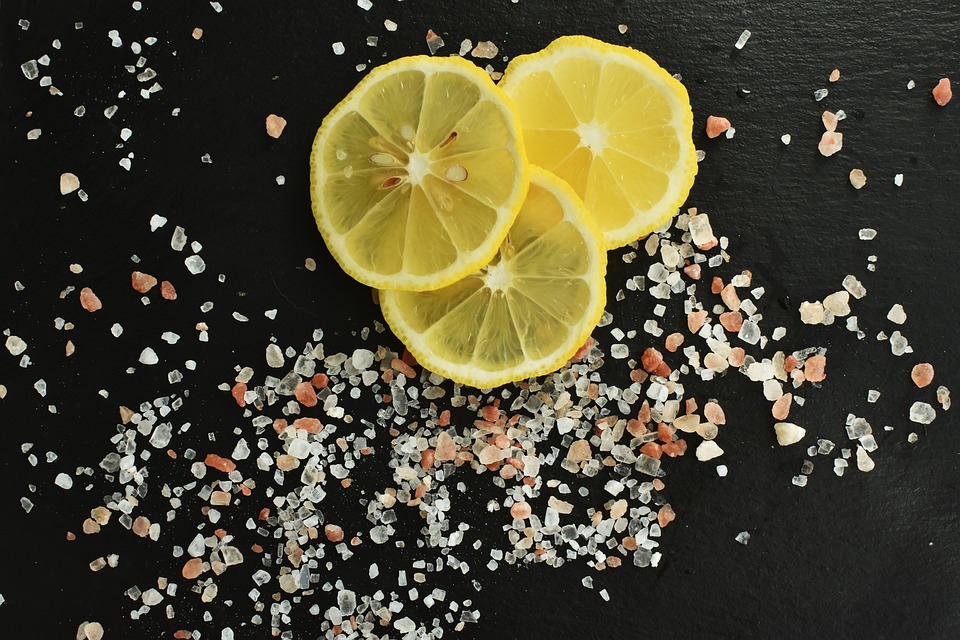
Himalayan salt, rich in minerals and trace elements, offers a unique way to replenish lost electrolytes. Its use in hydration can enhance not only the flavor of your drinks but also their effectiveness in maintaining fluid balance. Understanding how to incorporate this mineral into your hydration routine can significantly improve your overall keto experience.
In this guide, you will discover practical tips for using Himalayan salt effectively while on a ketogenic diet. From understanding the science behind hydration and electrolytes to practical applications and common mistakes to avoid, this comprehensive approach will equip you with the knowledge needed to optimize your hydration strategy on keto.
Contents
How to Use Himalayan Salt for Real Results
- Best Form: Fine or coarse Himalayan salt
- Best Time: Throughout the day, particularly during workouts
- Expected Result: Improved hydration and energy levels
For Daily Hydration
The Prep: Start with a glass of water, ideally filtered or mineral water. Add a pinch of fine Himalayan salt to the water. This enhances the flavor while providing essential electrolytes.
The Action: Stir the mixture well until the salt dissolves. Consume this salty water in the morning to kickstart your hydration. You can repeat this process throughout the day, especially before meals or workouts.
The Feeling: You may notice a subtle mineral taste that enhances the water’s flavor. This drink should leave you feeling refreshed and energized. Many report a decrease in fatigue and increased mental clarity after regular consumption.
Pro Tip: Experiment with the amount of salt to find the perfect balance for your taste and hydration needs.
During Intense Workouts
The Prep: Prepare a hydration drink by mixing water, a pinch of Himalayan salt, and a squeeze of lemon or lime juice. This adds electrolytes and vitamin C while improving taste.
The Action: Consume this mixture 30 minutes before your workout. Sip on it during your session to maintain hydration levels. After your workout, continue to hydrate with plain water or more of the salt drink.
The Feeling: You may experience a refreshing zing from the citrus, coupled with a satisfying mineral taste. This drink can help stave off fatigue and muscle cramps during intense exercise.
Pro Tip: Consider adding a bit of magnesium or potassium for an extra electrolyte boost.
The Evening Wind Down
The Prep: Mix a glass of warm water with a pinch of Himalayan salt before bedtime. This can soothe your body and prepare it for rest.
The Action: Stir well and drink this mixture about an hour before sleep. This routine helps with hydration and can prevent nighttime muscle cramps.
The Feeling: The warm drink may create a calming sensation, promoting relaxation. Many individuals report improved sleep quality after incorporating this practice into their nighttime routine.
Pro Tip: Pair this drink with a bedtime routine for enhanced relaxation effects.
Hydration Pitfalls to Avoid
Ignoring Electrolyte Balance
A common mistake is neglecting the balance of electrolytes when hydrating. Focusing solely on water intake can lead to an imbalance, resulting in symptoms like headaches and fatigue. It is essential to recognize that simply drinking water does not replace lost electrolytes.
To remedy this, consider incorporating Himalayan salt into your hydration routine. This mineral-rich salt provides sodium and trace elements that can help restore balance, making it a vital addition to your daily hydration strategy.
Overconsumption of Plain Water
People often believe that drinking excessive amounts of plain water is the best way to stay hydrated. While water is essential, overhydration can dilute electrolytes, leading to a condition known as hyponatremia.
Adding Himalayan salt to your hydration plan helps counteract this issue. By including electrolytes, you can maintain optimal hydration levels without the risk of diluting your body’s essential minerals.
Neglecting Personal Needs
Each individual’s hydration needs vary based on activity levels, climate, and dietary choices. A one-size-fits-all approach often results in inadequate hydration strategies.
Assess your unique needs and adjust your salt and water intake accordingly. Incorporating Himalayan salt allows for personalized hydration that can adapt to your lifestyle and dietary requirements.
The Mechanism Behind Hydration and Himalayan Salt
Hydration involves maintaining a balance of fluids and electrolytes in the body. When on a ketogenic diet, the body often excretes more water and electrolytes due to reduced carbohydrate intake. This increased loss necessitates a greater focus on replenishing these essential minerals.
Sodium is a key compound in maintaining fluid balance. Himalayan salt is not only rich in sodium but also contains trace minerals like magnesium and potassium. These compounds work synergistically to support hydration and overall health.
Research has shown that sodium plays a vital role in hydration during physical activity. For further reading, refer to the NIH ODS Fact Sheet. This resource provides insights into sodium’s importance and its role in maintaining proper hydration levels.
Choosing the Right Product
- Potency: Ensure the Himalayan salt you choose is of high quality, as lower-grade salts may lack essential minerals.
- Purity: Look for products that are free from additives or anti-caking agents, as these can alter the salt’s natural properties.
- Form: Decide between fine or coarse salt based on your personal preference and intended use, as this can affect the dissolution rate in liquids.
Benefits vs Risks
| The Benefits | Potential Downsides |
|---|---|
| Supports hydration levels. | Excessive sodium intake can lead to high blood pressure. |
| Enhances the flavor of hydration drinks. | May not be suitable for individuals on sodium-restricted diets. |
| Provides essential trace minerals. | Quality can vary significantly between brands. |
Healthy Habits for Optimal Hydration
Incorporating regular physical activity into your routine can enhance your hydration strategy. Exercise promotes sweat production, which necessitates adequate fluid and electrolyte intake.
Mindful eating habits also contribute to hydration. Consuming water-rich foods, such as vegetables and fruits, can provide additional hydration and support overall wellness.
Who Should Avoid This?
- Individuals with hypertension or heart conditions.
- Those on strict sodium-restricted diets.
- People with kidney disorders.
- Anyone experiencing fluid retention issues.
Common Questions
Can I use Himalayan salt in cooking?
Yes, Himalayan salt can be used in cooking. It adds flavor and provides essential minerals.
How much Himalayan salt should I consume daily?
A general guideline is to consume a pinch of Himalayan salt daily, adjusting based on individual needs and activity levels.
Is Himalayan salt better than regular table salt?
Himalayan salt contains trace minerals not found in regular table salt, making it a potentially healthier option.
Can I mix Himalayan salt with other beverages?
Yes, Himalayan salt can be added to various beverages, including smoothies and electrolyte drinks, for enhanced hydration.
The Bottom Line
Himalayan salt can be an effective tool for optimizing hydration on a ketogenic diet.
- The Truth: Over-reliance on plain water can lead to imbalances.
- The Strategy: Incorporate Himalayan salt into your hydration routine throughout the day.
- The Next Step: Experiment with flavors and combinations to find the most enjoyable hydration method.
Get Your FREE Natural Health Guide!
Subscribe now and receive our exclusive ebook packed with natural health tips, practical wellness advice, and easy lifestyle changes, delivered straight to your inbox.