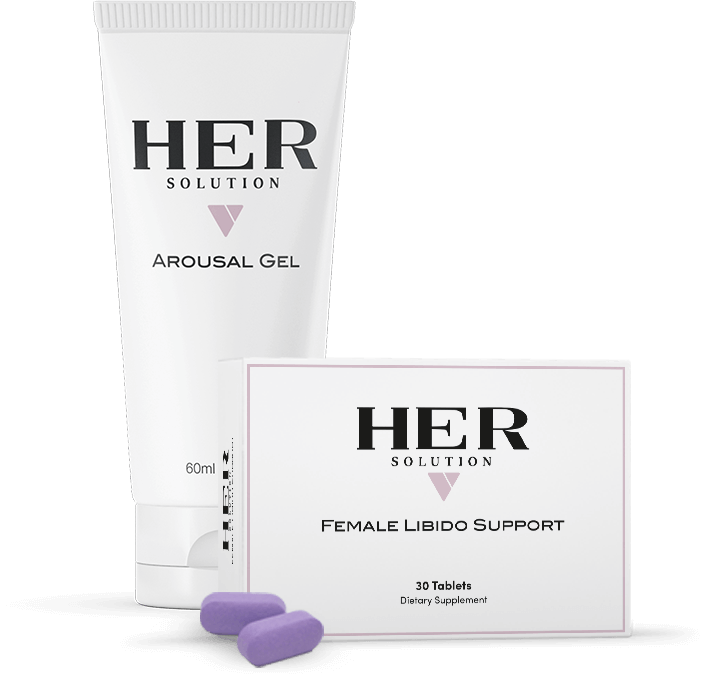
HerSolution™ Women's Botanical Formula
- Botanical daily formula designed to support female vitality and encourage a natural return of physical drive
- Helps restore natural moisture, physical comfort, and bodily responsiveness for enhanced intimate wellness
- Manufactured in a cGMP-compliant facility without relying on harsh synthetic hormones
I often reflect on how the body communicates through signals that feel like constant, low-grade static. We often categorize any persistent redness, puffiness, or general malaise under the broad umbrella of systemic swelling. Many individuals find themselves chasing relief for this internal state while the actual source remains hidden in plain sight.
The nuance between systemic swelling and a reactivity to specific nitrogen-containing compounds requires a keen eye. When the gut fails to break down certain molecules, the resulting cascade often mimics the appearance of long-term immune activation. Sorting through these signals allows for a more targeted approach to daily comfort.
Is Chronic Inflammation Actually Histamine Intolerance? Often, what presents as a persistent inflammatory state is actually a localized struggle to process dietary amines, leading to wide-ranging systemic distress. This confusion arises because both conditions trigger the release of chemicals that cause redness, swelling, and fluid retention in various tissues.
Key Takeaways
- Enzyme Deficiency: A lack of diamine oxidase leads to a 40 to 60 percent increase in amine circulation after meals.
- Threshold Levels: Plasma concentrations exceeding 1 nanogram per milliliter typically initiate reactive responses in sensitive systems.
- Clear Patterns: Digestive distress paired with skin flushing often points toward amine sensitivity rather than generic immune activity.
Distinguishing Between Systemic Swelling And Amine Reactivity
Generic swelling serves as a broad immune defense meant to protect tissues from damage. In contrast, an inability to clear amines involves an overflow of specific chemical messengers that trigger widespread discomfort. Research from the National Institutes of Health highlights the complex role of metabolic enzymes in managing these pathways.
When the body struggles with these specific compounds, it loses the ability to keep baseline chemical levels within a functional range. This creates a state where the system appears to be under constant fire. The symptoms often overlap, making the distinction difficult without careful tracking of intake.
Individuals who misidentify their condition often adopt restrictive habits that offer little return. By identifying the root, they gain the ability to adjust their environment effectively. This shift moves the focus from managing vague symptoms to addressing specific dietary inputs.
Methods For Tracking Your Dietary Intake
Monitoring what you consume provides the most clarity. You need to log meals alongside your physical responses to identify clear patterns. Small changes in ingredient choices lead to measurable shifts in how you feel throughout the day.
- Record Daily Intake: Document every meal and snack including specific ingredients like fermented items or aged proteins.
- Monitor Physical Cues: Note the timing of skin flushing, headaches, or bloating that follows specific meals.
- Observe The Delay: Recognize that reactions sometimes occur several hours after ingestion rather than immediately.
The National Library of Medicine offers data on how certain foods impact these internal pathways. Utilizing this information helps refine the list of potential triggers. Consistency remains the most effective tool in your data collection process.
Variables In Dietary Amine Content
| Food Category | Amine Level | Typical Reaction |
|---|---|---|
| Aged Cheeses | High | Potential discomfort |
| Fresh Vegetables | Low | Minimal impact |
| Fermented Cabbage | High | Noticeable swelling |
The Role Of Digestive Cofactors
Effective processing of dietary compounds relies on specific internal cofactors. If these levels remain low, the conversion process slows down. This creates a bottleneck that keeps circulating amine levels higher than ideal. Proper nutritional support ensures the system functions as intended.
Consider the impact of copper and vitamin B6 in these pathways. These micronutrients assist in the function of essential enzymes. Industry data suggests that maintaining adequate status of these elements keeps the system running smoothly. National Institutes of Health studies underscore the necessity of these vitamins for overall wellness.
Focusing on foundational nutrition provides the system with the resources it requires. It does not replace medical advice but creates an environment for stability. Keep your intake focused on nutrient-dense, fresh options to reduce the overall burden.
Practical Application For Daily Comfort
Transitioning toward a low-amine routine requires patience. You must focus on the freshness of your protein sources. Aging or storage time increases the concentration of these compounds significantly. Always prioritize fresh preparation over leftovers.
Many individuals find success by rotating their vegetable intake. Avoid relying solely on nightshades if you suspect reactivity. Simple swaps often yield the most significant results for your physical comfort. Focus on quality over variety during the initial transition period.
Track your outcomes for at least four weeks. This timeframe allows your system to stabilize and reset. Never stop or change any medication without consulting the provider who recommended it.
Frequently Asked Questions
Can exercise help lower my internal reactivity levels?
Physical activity promotes blood flow and circulation, which may assist in the clearance of lingering chemical messengers. Consistent movement helps regulate your baseline state and supports overall metabolic function.
Avoid excessive intensity if you feel sensitive, as high-impact exertion occasionally triggers further release of internal compounds. Prioritize moderate activity that leaves you feeling energized rather than drained.
Does sleep quality affect my sensitivity to these compounds?
Adequate rest allows the system to recover and maintain homeostasis. During deep sleep, the body performs maintenance tasks that regulate enzyme production and clearance.
When you lack sleep, your threshold for reactivity typically lowers. Prioritizing a consistent sleep routine creates a foundation for better metabolic regulation throughout the day.
Are certain seasons worse for my symptoms?
Environmental factors often influence how sensitive you feel toward dietary triggers. Changes in humidity or temperature may shift your overall state of comfort.
Monitor your response during these transitions to see if your dietary needs fluctuate. Adjusting your habits based on these patterns helps maintain a sense of stability year-round.
How long does it take to notice a difference?
Individual timelines vary based on your unique history and current status. Many readers notice shifts in their comfort levels within the first two weeks of focused dietary changes.
Consistency remains the most significant factor in achieving stable results. Giving the system time to move through its current state is essential for long-term improvement.
Is it possible to ignore these signs if they feel minor?
Ignoring persistent signals often leads to a cycle of mounting frustration. Addressing the root cause early allows you to regain control over your daily comfort.
Small, regular efforts typically prevent larger issues from developing over time. Take the time to observe your body and respond with thoughtful choices.
The Bottom Line
Is Chronic Inflammation Actually Histamine Intolerance? Often, the answer lies in your daily consumption and your body’s specific ability to process certain amines. Recognizing this allows for a more tailored approach to your wellness goals.
Focus on fresh, whole foods and track how your body responds over a few weeks. If you experience persistent issues, speak with a professional to discuss your options. Consult a licensed healthcare provider before starting any new wellness routine.
This content is for educational purposes only and does not provide medical advice. Consult a licensed healthcare provider before starting any new wellness routine.
Get Your FREE Natural Health Guide!
Subscribe now and receive our exclusive ebook packed with natural health tips, practical wellness advice, and easy lifestyle changes, delivered straight to your inbox.