
Contents
In Brief
- Safety: Generally safe for short-term use but consult a healthcare provider for long-term use.
- Effectiveness: Research indicates valerian root may improve sleep quality and reduce anxiety.
- Key Benefit: A natural alternative for promoting relaxation without the side effects of pharmaceuticals.
You’ve tossed and turned, staring at the ceiling, while your mind races with worries. Sleepless nights can leave you feeling drained, anxious, and overwhelmed. If you’ve tried various remedies without success, you might find solace in valerian root, a natural herb known for its calming properties.
For centuries, valerian root has been used in traditional medicine to alleviate stress and promote relaxation. Scientific studies support its potential benefits, making it a popular choice among those seeking a natural way to cope with anxiety and insomnia. With its gentle approach, valerian root stands out as a viable alternative for those wary of pharmaceutical solutions.
Imagine drifting off into a peaceful slumber, free from the clutches of racing thoughts. Valerian root may be the key to unlocking that tranquility. By understanding how it works and how to use it effectively, you can harness its benefits to soothe your stress naturally.
Let’s delve into the science behind valerian root and discover how it can be a valuable ally in your quest for relaxation and restful sleep.
What the Research Says
Valerian root, derived from the Valeriana officinalis plant, has been studied for its anxiolytic (anxiety-reducing) and sedative effects. The active compounds, such as valerenic acid, interact with gamma-aminobutyric acid (GABA) receptors in the brain, promoting relaxation and improving sleep quality.
A systematic review published in the Journal of Sleep Research found that valerian root significantly improved sleep quality in individuals experiencing insomnia. Participants reported falling asleep faster and enjoying a deeper slumber compared to those who received a placebo.
| Valerian Root | Common Alternative (Melatonin) | Notes |
|---|---|---|
| Natural herb | Synthetic hormone | Valerian root may take longer to show effects but is less likely to disrupt sleep cycles. |
| Generally safe for short-term use | Can cause grogginess the next day | Valerian root has fewer reported side effects. |
| Acts on GABA receptors | Primarily regulates circadian rhythms | Valerian root may offer additional anxiety relief. |
Research indicates that valerian root may also help reduce anxiety levels, making it a dual-purpose remedy. A study published in Phytotherapy Research demonstrated that participants who took valerian extract experienced significant reductions in anxiety symptoms compared to the control group.
While more research is needed to fully understand its efficacy, the existing evidence supports valerian root as a promising natural remedy for stress and anxiety.
Effective Ways to Use This
-
Tea Preparation
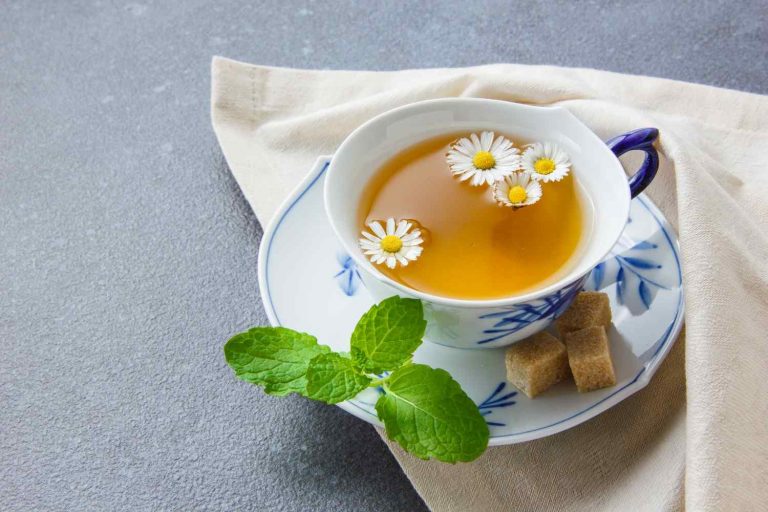
Brewing valerian root tea is a simple and effective way to enjoy its calming effects. Steep 2-3 grams of dried valerian root in hot water for about 10-15 minutes. This method allows for the gradual release of the herb’s beneficial compounds, promoting relaxation. Enjoying a cup of tea 30-60 minutes before bedtime can help signal your body that it’s time to wind down, making it an ideal nighttime ritual. -
Capsules and Tablets
For those who prefer a more concentrated dose, valerian root is available in capsule or tablet form. This option provides a standardized amount of the active ingredients, making it easier to manage your intake. Be sure to follow the recommended dosage on the label, and consider taking it 30-60 minutes before bedtime for optimal results. -
Tinctures and Extracts
Liquid extracts offer another way to incorporate valerian root into your routine. These tinctures are typically more potent, allowing for quicker absorption. A few drops under the tongue or diluted in water can deliver rapid effects. Always check the concentration to ensure proper dosing. -
Aromatherapy
Valerian root essential oil can be used in aromatherapy to create a calming environment. Adding a few drops to a diffuser or mixing with a carrier oil for a soothing massage can enhance relaxation. The soothing scent may help ease anxiety and promote a sense of tranquility. -
Bath Soaks
Incorporating valerian root into your bath can provide a relaxing experience. Adding valerian root powder or a few drops of valerian essential oil to warm bathwater can help alleviate tension and soothe your mind. This ritual not only promotes relaxation but also enhances the overall experience of unwinding after a long day. -
Mindfulness and Meditation
Pairing valerian root with mindfulness practices can amplify its calming effects. As you sip your valerian tea or breathe in the aroma of the essential oil, engage in deep breathing exercises or meditation. This combination can help center your thoughts and create a peaceful mental space. -
Herbal Blends
Combining valerian root with other calming herbs, such as chamomile or passionflower, can enhance its effects. Creating your own herbal blend allows you to tailor the experience to your preferences. This synergistic approach can provide a more comprehensive relaxation experience, especially when taken as tea or tincture.
Best Time & Dosage
Timing and dosage play crucial roles in maximizing the benefits of valerian root. Generally, it’s recommended to take valerian root about 30-60 minutes before bedtime to promote sleep. For daytime anxiety relief, a dose earlier in the day may be beneficial.
The typical dosage ranges from 300 to 600 milligrams of valerian extract, taken once daily. For dried root, 2-3 grams can be used in tea or capsules. It’s advisable to start with a lower dose to assess tolerance and gradually increase if needed. Always consult a healthcare provider before starting any new supplement, especially if you are pregnant, nursing, or taking other medications.
Safety & Precautions
-
Consult a Healthcare Provider
Before starting valerian root, especially if you have underlying health conditions or are on medication, consult a healthcare professional.
Safety Note: Some medications, like sedatives, may interact with valerian root, enhancing their effects. -
Monitor for Side Effects
While generally considered safe, some individuals may experience side effects such as headaches, dizziness, or gastrointestinal discomfort.
Safety Note: If side effects occur, discontinue use and consult a healthcare provider. -
Limit Long-Term Use
Valerian root is best used for short-term relief. Prolonged use may lead to tolerance or dependence.
Safety Note: Consider taking breaks to assess your need for the herb. -
Avoid Alcohol and Other Sedatives
Combining valerian root with alcohol or other sedatives can amplify its calming effects, leading to excessive drowsiness.
Safety Note: It’s wise to avoid such combinations, especially before driving or operating heavy machinery. -
Pregnancy and Breastfeeding
The safety of valerian root during pregnancy and breastfeeding hasn’t been thoroughly studied.
Safety Note: Pregnant or nursing individuals should avoid valerian root unless advised by a healthcare provider.
5 Common Myths vs. Facts
-
Myth: Valerian root is a sedative.
Fact: Valerian root is not a sedative in the traditional sense; it promotes relaxation and may help improve sleep quality. -
Myth: It’s unsafe to use valerian root long-term.
Fact: While generally safe for short-term use, prolonged use should be monitored, and breaks are recommended. -
Myth: Valerian root works immediately.
Fact: It may take several days of consistent use to notice its calming effects. -
Myth: Anyone can take valerian root without precautions.
Fact: Individuals with certain health conditions or those on medications should consult a healthcare provider before use. -
Myth: Valerian root is the same as melatonin.
Fact: While both promote sleep, valerian root works through GABA receptors, whereas melatonin regulates sleep-wake cycles.
The Final Verdict
Valerian root offers a natural alternative for those seeking to alleviate stress and improve sleep quality. With its long history of use and backing from scientific research, it can serve as a gentle ally in your wellness journey. By understanding how to use it effectively and safely, you can harness its potential to foster relaxation and a more restful night’s sleep. Embrace this herbal remedy and take the first steps toward a calmer, more peaceful you.
Get Your FREE Natural Health Guide!
Subscribe now and receive our exclusive ebook packed with natural health tips, practical wellness advice, and easy lifestyle changes, delivered straight to your inbox.