Understanding Vertex Balding Natural Progression
Losing hair at the crown often feels like a sudden event. Most people notice a thinning spot after it has persisted for months. This change follows a predictable pattern rooted in genetic sensitivity.
You can monitor these changes by taking photos at the same time each month. Consistent lighting and angles show if the area remains stable. Many people find that documentation lowers their daily stress.
Vertex balding natural progression occurs as follicles shrink over several years due to hormonal influence. This process typically moves through stages ranging from subtle thinning to smooth skin. Monitoring the diameter of the area provides a clear view of how the hair density shifts over time.
Key Takeaways
- Hair density on the crown often drops by 50 percent before the scalp shows through visible skin.
- The average rate of follicular miniaturization spans 5 to 10 years for most individuals.
- Consistent tracking requires photos taken every 30 days under identical overhead light sources.
I tracked my own crown thinning for three years by using a handheld mirror. I noticed a distinct change in hair caliber long before the bald spot grew wider.
Tracking Your Hair Density Over Time
Visual logs serve as the foundation for your records. Place a camera at a standard distance to keep perspective consistent. Small shifts in distance change the apparent size of the thinning area.
Use a reference point on your neck or ears for framing. This ensures you see the same patch of skin every time. Consistent data gathering helps you spot patterns in how your hair density changes.
Digital files keep your progress organized by date. Reviewing them together reveals trends that individual photos hide. Focus on the relationship between hair length and the visibility of your scalp.
Biological Factors Behind Follicle Changes
The Process Of Miniaturization
Follicles do not simply vanish overnight. They go through a process where each hair grows thinner and shorter. This cycle continues until the follicle produces only fine peach fuzz.
Research from the National Institutes of Health indicates that hormonal sensitivity dictates this shift. The follicles become smaller as the growing phase of the hair shortens. This leaves less time for the hair to reach its full thickness.
You might notice your hair feels softer or wispy in the crown area. This change in texture signals that the follicle is struggling to maintain a full growth cycle. Understanding this helps you manage your expectations regarding your natural hair cycle.
Genetic Markers And Hair Growth
Your genetic code influences how your scalp reacts to naturally occurring hormones. Certain markers dictate the density of your hair follicles from birth. These traits remain stable throughout your life.
Family history often provides a roadmap for your own experience. Look at the patterns observed in your older relatives to gauge your path. While genes set the stage, they do not dictate every outcome with total certainty.
Data from the National Library of Medicine explains how specific gene variants lead to increased scalp sensitivity. These pathways are deep and influence how hair roots interact with surrounding blood flow. Knowing your family background helps you prepare for potential thinning.
Data Tracking Methods
| Metric | Early Stage | Late Stage |
|---|---|---|
| Scalp Visibility | Low | High |
| Hair Diameter | Medium | Fine |
| Growth Phase | Long | Short |
The Role Of Nutritional Support
Essential Vitamins For Growth
Hair follicles require steady access to energy to sustain growth. Iron and zinc act as key players in the maintenance of healthy tissue. Deficiencies here often show up in the crown first.
Iron helps transport oxygen to the cells that create hair. Without enough oxygen, the follicle enters a dormant state prematurely. This slows down the renewal of healthy strands.
Zinc plays a role in the integrity of the tissue structure itself. It helps the cells repair damage and maintain a protective barrier. A balanced diet often provides the necessary building blocks for hair health.
Hydration And Blood Flow
Water is the primary medium for all body processes. Your scalp needs adequate fluids to keep cells moving effectively. Dehydration makes the skin look tighter and highlights existing thinning.
Blood flow carries nutrients to the scalp surface. Physical activity keeps the circulation moving to the furthest points of the head. Good habits support the natural delivery of oxygen to your roots.
Consistent movement helps reduce the tension on the scalp surface. Tension can restrict blood vessels that feed the hair. A loose, supple scalp usually supports healthier growth cycles.
Daily Habits That Affect Your Scalp
Managing Physical Tension
Scalp tension can build up due to stress or posture. Tight muscles in the neck and shoulders can restrict circulation to the top of the head. This pressure impacts how nutrients reach your follicles.
Simple movements like neck rotations help release this tightness. Gentle massage also encourages movement in the skin of the scalp. You want the scalp to move freely against the skull.
Avoid harsh treatments or tight hairstyles that pull on the hair. These habits add physical stress to an already sensitive area. Choose gentle brushing methods to preserve the strands you have.
Sun Exposure And Scalp Care
The crown area receives more sun than other parts of the head. This leads to dryness and changes in the quality of the skin. Protect your scalp with hats during peak sun hours.
Sun exposure can dry out the thin hair covering the crown. This makes the hair look brittle and prone to breaking. Keep your scalp moisturized to avoid irritation.
Use mild soaps that do not strip natural oils. Harsh detergents damage the skin barrier and leave the scalp vulnerable. Natural oils play a part in protecting the hair follicle.
Calculating Your Thinning Rate
To calculate your progression, measure the diameter of your thinning spot. Use a standard ruler in your photos to maintain accuracy. Record the measurement in millimeters every month.
Divide the change in millimeters by the number of months passed. This gives you a rate of change per month. Comparing this rate over time tells you if the process is slowing down or staying steady.
For example, if the spot grows 2 millimeters over 4 months, your rate is 0.5 millimeters per month. Use this data to track your baseline and see how different seasons impact your hair. Documentation removes the guesswork from your self observation.
Understanding Growth Cycles
The Anagen Phase
The anagen phase is the period where your hair grows actively. In a healthy cycle, this phase lasts several years. During this time, the hair adds length every single day.
As the cycle repeats, the time spent in this phase shortens. The hair does not have enough time to reach its full potential length. This creates the appearance of thinning over the crown.
Think of it like a plant that has less time to grow each season. The plant becomes smaller and less vibrant. Protecting the length of the growth phase is the goal of healthy scalp care.
The Resting Phase
After the growth phase, the hair rests for a short period. During this time, it does not gain length or density. The follicle prepares to shed the old hair to make room for new growth.
A higher number of follicles in the resting phase makes the scalp look thinner. This happens naturally but can accelerate with age or stress. Understanding this helps you realize that some shedding is normal.
Research from the Centers for Disease Control shows that overall health plays a role in these phases. Keeping your body in balance helps regulate the timing of your hair cycles. Stability in your life supports stability in your growth patterns.
Monitoring Texture And Caliber
Changes In Hair Thickness
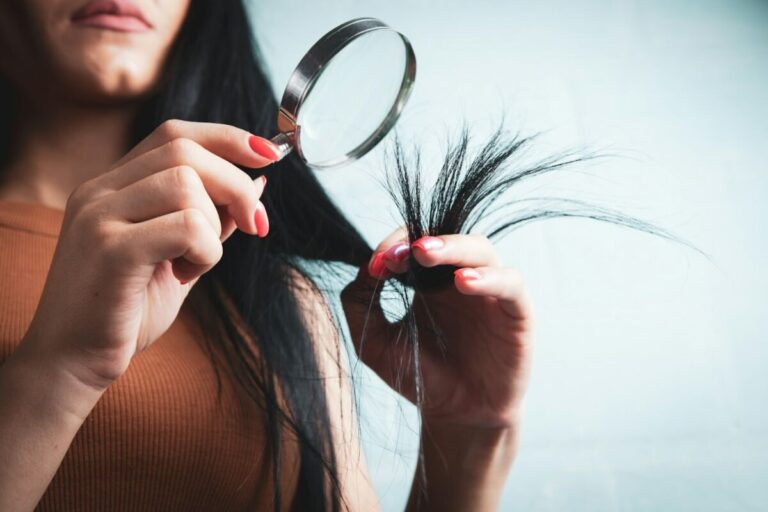
Healthy hair has a consistent diameter from root to tip. Miniaturized hair feels wispy and tapers off at the end. Use a macro camera lens to look at the individual strands.
Compare these to hair from the sides or back of your head. If the crown hair is significantly thinner, it confirms the presence of thinning. This check provides insight into the health of your follicles.
Texture changes occur before the scalp becomes visible. If your hair feels different to the touch, document that observation. This serves as an early indicator of future changes.
Scalp Skin Health
The skin on your scalp should look uniform and healthy. Avoid redness or scaling, as these signs indicate inflammation. Inflammation can worsen the thinning process significantly.
Keep the scalp clean to prevent clogs in the hair follicles. Oils and dead skin can build up over time. Gently exfoliating once a week helps keep the area clear.
Observe the color and tone of your skin. A pale, clear scalp shows that the skin is healthy and not irritated. These simple checks support a healthy environment for your hair.
Environmental Influences
External factors influence how fast your hair thins. Pollutants and dry air can strip moisture from the scalp. Protect your head with light fabrics to minimize environmental impact.
Indoor heating and air conditioning often dry out the skin. Use a humidifier in your home to maintain a balance of moisture. Your skin and hair benefit from a stable environment.
Change your pillowcase often to avoid oil buildup. Keeping the environment around your head clean supports hygiene. These small steps prevent unnecessary irritation.
Frequently Asked Questions
How often should I take photos to monitor my hair?
Taking photos once a month is sufficient for most people. This interval allows enough time for visible changes to occur without becoming obsessive about the process. Consistency in lighting and angle matters more than the frequency of the photos.
Keep your phone or camera in the same spot for every session. Use a mirror to align the framing correctly each time. This creates a reliable sequence that makes it easy to spot true changes over several years.
Does the pace of thinning ever stabilize on its own?
Thinning often slows down as you move through different life stages. It rarely stops completely, but the rate of change usually fluctuates based on your health and stress levels. Many people see a period of stability after the initial transition phase.
Focusing on overall body health helps maintain the current state for as long as possible. Reducing physical stress and maintaining a balanced diet helps your scalp remain in a stable condition. Stability is the most realistic goal for long term management.
Can shampooing too often worsen the thinning?
Washing your hair too often can strip away natural oils that protect the scalp. These oils act as a barrier against dryness and environmental damage. If your scalp feels tight or dry after washing, consider reducing the frequency of your routine.
Use a gentle, mild shampoo that preserves the integrity of the hair strand. Avoid products with harsh chemicals that cause irritation or dryness. A balanced approach keeps the scalp hydrated and healthy throughout the week.
Should I use special tools to check the density?
A simple macro lens attachment for your phone works well for checking density. You do not need expensive clinical equipment to observe changes in hair caliber. A clear photo of the scalp surface is enough to see the thinning area.
Focus on the relationship between hair density and scalp color in your photos. High contrast indicates thinning, while low contrast suggests better coverage. This method gives you all the data you need for your own records.
Is it normal for the thinning to fluctuate with the seasons?
Many people notice that shedding increases during certain times of the year. Changes in sunlight, humidity, and temperature can impact the growth cycle of your hair. This is a normal part of the body responding to its environment.
Document these seasonal variations to see if they follow a pattern over time. If you notice a spike every autumn, you can prepare by being extra gentle with your hair. Understanding your unique cycle helps you manage the process with less worry.
The Bottom Line
Vertex balding natural progression is a slow, predictable process that you can monitor with simple home habits. Document your crown density through monthly photos and focus on maintaining scalp health through hydration and low stress. By understanding the timing of your hair cycles, you gain control over your wellness routine. Consult a licensed healthcare provider before starting any new wellness routine.
Get Your FREE Natural Health Guide!
Subscribe now and receive our exclusive ebook packed with natural health tips, practical wellness advice, and easy lifestyle changes, delivered straight to your inbox.