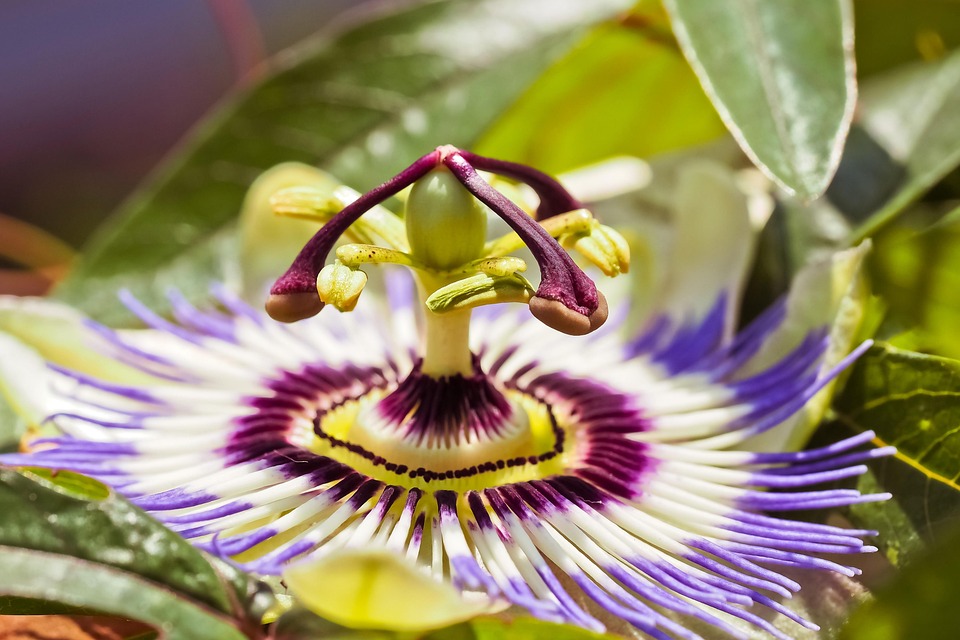

Passionflower tea has gained attention as a natural remedy for soothing sleep anxiety. Many individuals struggle with anxiety that disrupts their ability to fall asleep or stay asleep. This condition can lead to a cycle of sleepless nights and overwhelming days filled with fatigue. For those seeking a gentle and effective solution, passionflower tea offers a promising option. This herbal infusion, derived from the vibrant passionflower plant, has been used for centuries in various cultures for its calming properties.
The sedative effects of passionflower are attributed to its unique blend of compounds that interact with the body’s neurotransmitters. These compounds help to promote relaxation and reduce feelings of anxiety. For individuals who prefer a natural approach to managing their sleep issues, passionflower tea is an appealing alternative to over-the-counter sleep aids, which may come with unwanted side effects.
Incorporating passionflower tea into your nighttime routine can not only help ease anxiety but also create a calming ritual that signals to your body that it is time to wind down. By understanding how to effectively use this herbal remedy, you can enhance your chances of achieving restful sleep and improved overall well-being.
This guide will delve into the practical applications, scientific mechanisms, common mistakes, and much more related to passionflower tea. By the end, you will be equipped with the knowledge needed to utilize passionflower tea as a natural ally in your quest for better sleep and reduced anxiety.
Contents
How to Use Passionflower Tea for Real Results
- Best Form: Dried leaves for tea
- Best Time: 30 minutes before bedtime
- Expected Result: Enhanced relaxation and improved sleep quality
Creating Your Evening Ritual
The first step in utilizing passionflower tea involves gathering the necessary ingredients. You will need dried passionflower leaves, hot water, and optionally, honey or lemon for flavor. Start by measuring one to two teaspoons of dried leaves per cup of water. This will provide you with an effective dose while allowing you to enjoy the natural flavor of the tea.
Boil water in a kettle or pot, then pour it over the dried leaves in a teapot or mug. Allow the tea to steep for about 10 to 15 minutes. This steeping time is crucial as it allows the beneficial compounds to be fully extracted. If you prefer a sweeter taste, add honey or a splash of lemon after the steeping process.
As you sip the tea, you may notice a gentle warmth spreading through your body. This sensation is often accompanied by a sense of calm that begins to wash over you. Many individuals report feeling a reduction in racing thoughts and a growing desire to relax. The effects typically start to manifest within 30 minutes, making it an ideal addition to your pre-sleep routine.
Pro Tip: Experiment with different steeping times to find the flavor and effects that suit you best.
For Nighttime Calm
Preparing passionflower tea for nighttime use is straightforward. Begin by gathering the same ingredients as before. Measure out one to two teaspoons of dried passionflower leaves and set them aside.
Boil your water and pour it over the dried leaves in a heat-resistant container. Cover the container to keep the steam inside, which helps in extracting the beneficial oils from the leaves. Allow it to steep for about 10 minutes. You can modify this steeping time based on your taste preferences.
As you drink the tea, you may experience a soothing sensation that helps quiet your mind. This calming effect can be particularly beneficial for those who find it difficult to transition from a busy day to a restful night. Expect to feel a sense of tranquility that lasts throughout the night, promoting deeper sleep.
Pro Tip: Pair your tea with a calming activity like reading or journaling to enhance its effects.
After a Stressful Day
To combat the effects of a stressful day, prepare your passionflower tea with care. Gather your dried leaves, hot water, and any optional flavorings you enjoy.
Bring your water to a boil and then pour it over the dried leaves in a mug. Allow it to steep for about 10 to 15 minutes. This will ensure that the tea is potent enough to combat the day’s stresses.
As you sip the tea, you may notice a gradual easing of tension in your body. This soothing sensation can help to release the stress accumulated throughout the day, allowing you to unwind. Many users report feeling lighter and more relaxed after consuming the tea. The calming effects can last for several hours, making it easier to transition into a peaceful evening.
Pro Tip: Consider creating a calming evening environment with dim lights and soft music to amplify the tea’s soothing effects.
Common Pitfalls to Avoid with Passionflower Tea
Using Low Quality Herbs
Selecting low-quality herbs can significantly diminish the effectiveness of passionflower tea. Many commercially available brands may use subpar ingredients that lack the potency required to provide the desired calming effects. This can lead to disappointment and a lack of results.
To avoid this mistake, always look for reputable brands that source their passionflower from reliable growers. Check for third-party testing or certifications to ensure that the herbs are free from pesticides and contaminants. Investing in high-quality passionflower will enhance your chances of experiencing its full benefits.
Not Allowing Enough Steeping Time
Failing to steep passionflower tea for the recommended time can result in a weak infusion that does not deliver the expected calming effects. Many people underestimate the importance of steeping time, which can lead to ineffective results.
To ensure that you receive the full benefits, always adhere to the recommended steeping time of at least 10 minutes. This allows the beneficial compounds to fully extract into the water, enhancing the tea’s effectiveness in promoting relaxation and reducing anxiety.
Overconsumption
While passionflower tea is generally safe, overconsumption can lead to unwanted side effects such as drowsiness or nausea. Many individuals mistakenly believe that more tea will yield better results, leading them to drink excessive amounts.
To mitigate this risk, it is essential to adhere to the recommended dosage of one to two teaspoons of dried leaves per cup of water. Monitor your body’s response and adjust your intake as needed. Moderation is key to enjoying the benefits without experiencing adverse effects.
The Science Behind Passionflower’s Calming Effects
Understanding the biological mechanisms at play can deepen your appreciation for passionflower tea. The primary compounds in passionflower, such as flavonoids and alkaloids, interact with the body’s GABA receptors. GABA, or gamma-aminobutyric acid, is a neurotransmitter that plays a crucial role in regulating anxiety and promoting relaxation. By enhancing GABA activity, passionflower helps to calm the nervous system and reduce feelings of anxiety.
One of the key compounds in passionflower is apigenin, a flavonoid that binds to GABA receptors. This binding action mimics the effects of pharmaceuticals designed to reduce anxiety. As a result, passionflower tea can provide a natural alternative for those seeking relief from sleep anxiety without the side effects associated with traditional medications.
Research supports the effectiveness of passionflower in reducing anxiety and improving sleep quality. A study published in the journal PubMed found that participants who consumed passionflower experienced significant reductions in anxiety levels compared to those who did not. This evidence underscores the potential of passionflower tea as a natural remedy for sleep anxiety.
Choosing the Right Product
– **Potency:** Look for products that specify the concentration of active ingredients. Higher potency often means more effectiveness in promoting relaxation and sleep.
– **Purity:** Ensure the product is free from additives, fillers, or artificial ingredients. Purity ensures that you receive the full benefits of the herb without any unwanted chemicals.
– **Form:** Choose between loose-leaf tea and tea bags based on your preference. Loose-leaf often provides a fresher taste and higher quality, while bags offer convenience.
Understanding the Trade-Offs
| The Benefits | Potential Downsides |
|---|---|
| Natural remedy for sleep anxiety | May cause drowsiness if overconsumed |
| Minimal side effects compared to pharmaceuticals | Quality can vary between brands |
| Can enhance relaxation rituals | Not suitable for everyone, especially pregnant women |
Integrating Healthy Habits
Incorporating complementary lifestyle habits can enhance the effects of passionflower tea. Practicing mindfulness or meditation before bed can help calm the mind, making the tea’s effects even more pronounced. This practice allows you to disconnect from daily stressors, creating a peaceful state conducive to sleep.
Establishing a consistent bedtime routine is also beneficial. Going to bed at the same time each night trains your body to recognize when it is time to wind down. This consistency, paired with the calming effects of passionflower tea, can lead to improved sleep quality.
Who Should Avoid This?
– Pregnant or breastfeeding women
– Individuals taking sedatives or anti-anxiety medications
– Those with allergies to plants in the Passifloraceae family
– People with liver disorders or low blood pressure
Common Questions
Can I drink passionflower tea every night?
Yes, many people safely consume passionflower tea every night as part of their bedtime routine for anxiety and sleep support.
How long does it take for passionflower tea to work?
Most individuals begin to feel the calming effects within 30 minutes after consumption, depending on personal sensitivity.
Is passionflower tea safe for children?
Consult with a healthcare professional before giving passionflower tea to children, as safety can vary.
Can I combine passionflower tea with other herbal remedies?
It is best to consult with a healthcare provider before combining herbal remedies to avoid potential interactions.
The Bottom Line
Passionflower tea can be an effective natural remedy for sleep anxiety when used properly.
- The Truth: Individual responses may vary, and it may not work for everyone.
- The Strategy: Consume it 30 minutes before bedtime for optimal results.
- The Next Step: Consider establishing a calming nighttime routine to complement its effects.
Get Your FREE Natural Health Guide!
Subscribe now and receive our exclusive ebook packed with natural health tips, practical wellness advice, and easy lifestyle changes, delivered straight to your inbox.