
Contents
In Brief
- Safety: Generally safe for most individuals; consult healthcare providers if on medication.
- Effectiveness: Research supports omega-3’s role in reducing anxiety and improving mood.
- Key Benefit: Natural alternative for mood enhancement without the side effects of pharmaceuticals.
You’ve been feeling on edge lately, as if an invisible weight is pressing down on your chest. Restlessness, irritability, and racing thoughts seem to follow you everywhere. It’s exhausting, and you may be wondering if there’s a natural way to ease this burden.
Research has increasingly shown that the brain’s health is intricately linked to our emotional well-being. Among various dietary supplements, omega-3 fatty acids stand out for their potential to alleviate symptoms of anxiety and enhance mood. These essential fats are not produced by the body, making it crucial to obtain them through diet or supplementation.
How can omega-3s help you feel better? They play a vital role in brain function and structure, influencing neurotransmitter pathways that regulate mood. By incorporating omega-3s into your routine, you could find a natural ally in your quest for emotional stability.
Imagine waking up feeling refreshed, your mind clear and calm. The good news is that you don’t have to rely solely on medications that come with side effects. Omega-3 fatty acids may offer a supportive pathway to a lighter, more balanced mood.
What the Research Says
Numerous studies have explored the relationship between omega-3 fatty acids and mental health. Research indicates that omega-3s, particularly EPA (eicosapentaenoic acid) and DHA (docosahexaenoic acid), can significantly reduce symptoms of anxiety and depression. A meta-analysis published in the Journal of Clinical Psychiatry found that individuals who supplemented with omega-3s experienced a notable decrease in anxiety levels compared to those who did not.
In a randomized controlled trial, participants who received omega-3 supplements reported improved mood and reduced anxiety symptoms. This is believed to be due to omega-3s’ anti-inflammatory properties, which may influence brain health and function.
| Omega-3 Fatty Acids | Common Alternatives | Key Differences |
|---|---|---|
| Found in fish oil and certain plant oils | Antidepressants | Omega-3s can improve mood with fewer side effects |
| Beneficial for brain health | Herbal supplements | Omega-3s target inflammation directly related to mood |
| Supports overall mental well-being | Over-the-counter medications | Omega-3s offer a natural approach to emotional regulation |
Effective Ways to Use This
1. **Incorporate Fatty Fish into Your Diet**: Eating fatty fish like salmon, mackerel, and sardines twice a week can significantly boost your omega-3 intake. These fish are rich in EPA and DHA, essential for brain function and mood regulation. Aim for at least two servings per week for optimal benefits.
-
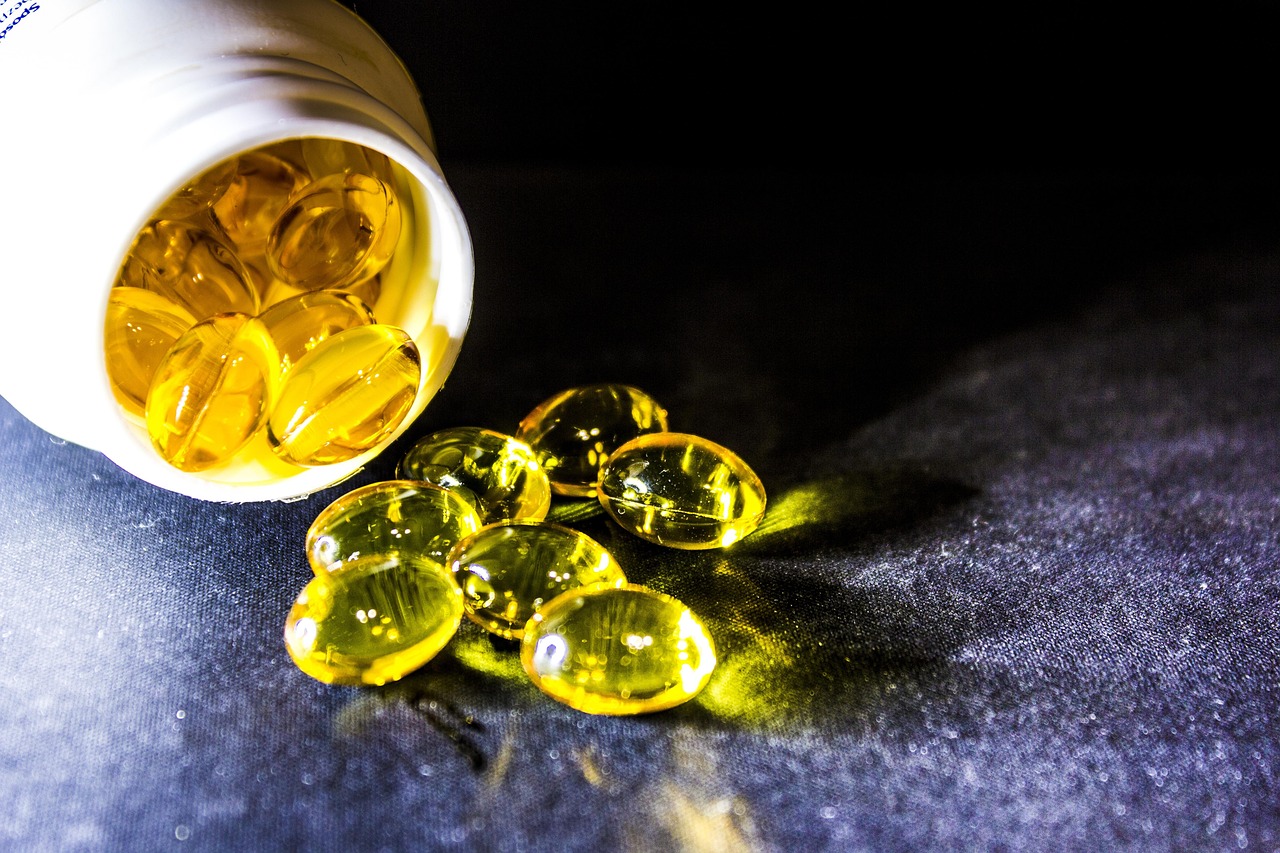
Take Omega-3 Supplements: If fish isn’t your preference, consider high-quality omega-3 supplements. Fish oil capsules or algal oil for vegans can provide the necessary fatty acids. Always choose a reputable brand to ensure purity and potency.
-
Add Flaxseeds and Chia Seeds: These seeds are excellent plant-based sources of omega-3s. They can be easily sprinkled on yogurt, added to smoothies, or incorporated into baked goods. Just two tablespoons of flaxseed can provide a substantial omega-3 boost.
-
Include Walnuts in Your Snacks: Nuts are not only nutritious but also provide a good source of omega-3 fatty acids. A handful of walnuts as a snack can contribute to your daily omega-3 intake while also keeping you satiated.
-
Use Omega-3-Enriched Foods: Many products, like eggs and dairy, are now fortified with omega-3s. Opting for these enriched foods can help you seamlessly increase your omega-3 consumption without major dietary changes.
-
Try Seaweed and Algal Oil: For those following a plant-based diet, seaweed and algal oil are excellent alternatives to fish sources. These options provide the necessary EPA and DHA without the fishy taste.
-
Create a Balanced Diet: Incorporate a variety of omega-3 sources into your meals. A balanced diet rich in fruits, vegetables, whole grains, and healthy fats can enhance the overall benefits of omega-3s for mood improvement.
Best Time & Dosage
For optimal results, consider taking omega-3 supplements with meals to enhance absorption. The typical dosage ranges from 1,000 to 3,000 mg of combined EPA and DHA daily. However, it’s essential to consult with a healthcare provider to determine the right dosage tailored to your specific needs.
Safety & Precautions
1. **Consult Your Healthcare Provider**: Before starting any new supplement, especially if you are pregnant, nursing, or on medications, it’s crucial to discuss it with a healthcare professional.
Safety Note: Your doctor can help determine if omega-3s are appropriate for your situation.
-
Monitor for Side Effects: Some individuals may experience gastrointestinal issues such as nausea or diarrhea when starting omega-3 supplements.
Safety Note: If side effects occur, consider reducing the dosage or switching to a different form. -
Check for Allergies: If you have a known allergy to fish or shellfish, be cautious with fish oil supplements.
Safety Note: Look for plant-based omega-3 sources if allergies are a concern. -
Avoid Excessive Dosage: High doses of omega-3s can increase bleeding risk, especially if you are on anticoagulant medications.
Safety Note: Stick to recommended dosages and consult your healthcare provider for guidance. -
Be Aware of Contaminants: Some fish oil supplements may contain harmful contaminants like heavy metals.
Safety Note: Choose high-quality brands that test for purity and potency.
5 Common Myths vs. Facts
1. **Myth**: Omega-3s are only beneficial for heart health.
**Fact**: Omega-3s also play a significant role in brain health and mood regulation.
-
Myth: You cannot get enough omega-3s from a vegetarian diet.
Fact: Plant-based sources like flaxseeds, chia seeds, and walnuts provide essential omega-3s. -
Myth: All omega-3 supplements are the same.
Fact: The efficacy varies based on the source (fish oil vs. algal oil) and the concentrations of EPA and DHA. -
Myth: Omega-3s can cause weight gain.
Fact: When used appropriately, omega-3s can support weight management by promoting satiety. -
Myth: Omega-3s are not effective for anxiety.
Fact: Research supports omega-3s’ role in reducing anxiety symptoms and improving overall mental health.
The Final Verdict
Incorporating omega-3 fatty acids into your life may provide a natural way to enhance your mood and ease anxiety. With their proven benefits and minimal side effects, they offer an appealing alternative to traditional medications. By making omega-3s a part of your daily routine, you can take a proactive step toward achieving better emotional well-being.
Get Your FREE Natural Health Guide!
Subscribe now and receive our exclusive ebook packed with natural health tips, practical wellness advice, and easy lifestyle changes, delivered straight to your inbox.