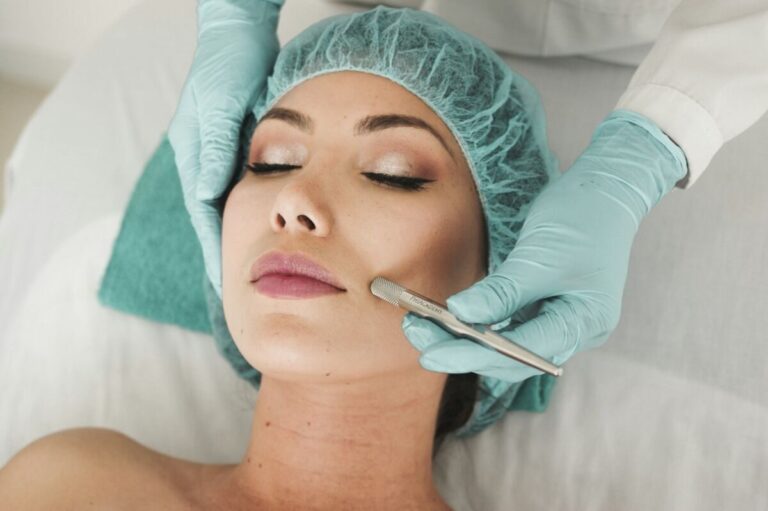
As I stare at the reflection in my mirror each morning, I often contemplate the subtle changes that time imposes on the complexion. It feels as though the skin loses its firm, vibrant bounce without warning. My research into wellness trends suggests that internal physiological cycles play a significant role in how our tissues repair themselves overnight. I have come to realize that naturally regulating the growth hormone peak for skin renewal is less about expensive serums and more about honoring our internal biological timing.
Many people mistake the pursuit of a healthy appearance for an external vanity project. I approach this instead as a commitment to cellular efficiency. By aligning daily habits with our innate hormonal rhythms, we support the natural processes that keep skin resilient and supple. It is a quiet, steady practice that requires consistency rather than quick fixes.
Naturally regulating the growth hormone peak for skin renewal involves optimizing deep sleep patterns to facilitate tissue repair. This process triggers the release of specific proteins that encourage collagen production and surface turnover during the early hours of rest. Consistency in nightly shuteye windows supports the maximum intensity of these restorative events.
Key Takeaways
- Deep sleep cycles typically trigger the highest surges of repair hormones between midnight and 2 AM.
- Intermittent fasting windows of 12 to 16 hours can assist in maintaining steady metabolic markers related to hormonal output.
- Research from the National Institute on Aging confirms that restorative rest remains the primary driver of physical cellular maintenance.
Optimizing Nocturnal Patterns For Skin Vitality
Our bodies function on a strict internal clock known as the circadian rhythm. This system dictates when we feel alert and when we enter a restorative state. When we align our habits with this clock, we allow the body to prioritize physical maintenance over digestive or cognitive tasks.
Late night eating disrupts this flow significantly. When the gut is busy processing a heavy meal, the body struggles to transition into deep repair mode. I prefer ending my last meal at least three hours before bed to ensure the metabolism settles down.
Room temperature and light exposure also dictate the quality of our rest. Cooler environments signal to the brain that it is time to conserve energy and focus on internal work. Keeping the bedroom dark helps maintain the chemical signals required for deep, uninterrupted periods of slumber.
The Practical Mechanics Of Hormonal Alignment
Understanding the link between lifestyle and biology requires a look at how daily stressors impact our internal signals. High-stress environments often lead to increased cortisol, which can counteract the benefits of our nightly repair windows. Managing these stress levels is as vital as the sleep itself.
Physical activity provides a foundation for better metabolic health. Research from the National Library of Medicine highlights how movement influences hormonal balance and overall tissue integrity. I focus on resistance training during the day to signal to my body that it needs to fortify its structural tissues.
| Habit Category | Target Window | Expected Outcome |
|---|---|---|
| Evening Fasting | Three Hours Pre-Sleep | Reduced Metabolic Load |
| Physical Movement | Morning To Midday | Enhanced Tissue Repair |
| Bedroom Darkness | Nighttime Hours | Increased Hormone Output |
Simple Steps For Better Physiological Cycles
You can start by auditing your evening routine tonight. Small changes often yield the most sustainable results. Focus on these three pillars to keep your internal rhythms steady.
- Prioritize Evening Darkness. Limit blue light from screens at least sixty minutes before heading to bed. This encourages the brain to begin the natural transition into restorative cycles.
- Maintain Consistent Wake Times. Even on weekends, sticking to a similar schedule keeps the circadian clock predictable. This stability helps the body anticipate when to initiate its nightly maintenance tasks.
- Manage Late-Night Sustenance. Avoid snacking after dinner to allow the digestive system to rest. A quiet stomach is one of the most effective ways to signal that the body should shift into repair mode.
Nutritional Support For Natural Biological Function
Supporting the body with the right building blocks is essential for ongoing maintenance. While no single food can force a hormonal shift, a balanced intake of protein and healthy fats provides the necessary materials for tissue renewal. Amino acids serve as the foundation for the components that keep our complexion looking fresh.
Hydration acts as the medium for all these processes. Without adequate water, the body struggles to transport nutrients effectively. I find that drinking sufficient fluids throughout the day sets the stage for a more hydrated, radiant appearance by the time I wake up.
Research from the Centers for Disease Control shows that consistent dietary patterns contribute to overall physiological health. Focus on whole, unprocessed options that provide steady energy. This prevents the blood sugar spikes that can interfere with nocturnal hormonal surges.
Frequently Asked Questions
Does exercise timing impact the body’s nightly repair window?
Engaging in vigorous activity closer to bedtime can keep the core body temperature elevated, which potentially delays the onset of deep sleep. Moving your heaviest training sessions to the morning or early afternoon allows the body to return to a baseline state by evening. This alignment ensures that the transition to deep rest occurs without unnecessary biological interference.
Can light exposure influence the way our skin repairs itself?
Exposure to artificial light late in the evening suppresses the brain’s ability to recognize the arrival of night. This interruption confuses the internal clock and may delay the release of key restorative signals. By dimming the lights and avoiding digital screens, you create a clear environmental cue that supports the natural timing of your biological maintenance.
Are there specific foods that hinder the nightly repair process?
Consuming high-glycemic or heavily processed items late in the evening often leads to blood sugar instability. These fluctuations can trigger the release of secondary hormones that interfere with the calm required for deep rest. Focusing on light, nutrient-dense meals earlier in the day is a more effective strategy for maintaining internal harmony.
How does stress management relate to the body’s natural renewal cycles?
Chronic stress triggers a constant state of alert, which is the opposite of the calm state required for tissue renewal. When the body remains in this state, it prioritizes immediate survival over long-term maintenance tasks. Developing a calming evening ritual helps move the nervous system into a state where it can focus on deep repair.
Is a specific sleep duration necessary for observing these physiological changes?
While everyone has unique requirements, most adults benefit from seven to nine hours of consistent, high-quality rest. This duration provides enough time for the body to cycle through all necessary stages of sleep, including the deepest ones where the most significant maintenance occurs. Consistently meeting this duration is the most important factor in supporting your natural rhythms.
The Bottom Line
Naturally regulating the growth hormone peak for skin renewal is a practice of patience and biological awareness. By prioritizing consistent sleep, managing evening light, and keeping meals timed appropriately, you create the optimal environment for your body to perform its nightly work. These habits support the resilience and vitality of your skin from the inside out.
Begin by adjusting your screen usage before bed for the next week. Observe how your rest quality changes over time as you commit to these rhythms. Consult a licensed healthcare provider before starting any new wellness routine.
Get Your FREE Natural Health Guide!
Subscribe now and receive our exclusive ebook packed with natural health tips, practical wellness advice, and easy lifestyle changes, delivered straight to your inbox.