
In recent years, matcha has surged in popularity, not just as a trendy drink but as a health powerhouse. This vibrant green tea, finely ground from shade-grown tea leaves, is steeped in tradition and is rich in antioxidants, vitamins, and minerals. But what if I told you that matcha could also play a role in supporting healthy testosterone levels? Intrigued? Let’s explore this fascinating connection.



Contents
The Testosterone Connection
Testosterone, often dubbed the “male hormone,” is essential not only for men but for women as well. This hormone plays a vital role in various bodily functions, including muscle mass, bone density, and even mood regulation. Low testosterone levels can lead to fatigue, decreased libido, and even depression. According to the Mayo Clinic, testosterone levels naturally decline with age, but other factors like diet, stress, and lifestyle choices can also have a significant impact.
Understanding the Role of Diet
When considering how to maintain healthy testosterone levels, diet is a crucial factor. Certain foods can either support or hinder hormonal balance. For example, diets high in processed sugars and unhealthy fats can lead to hormonal imbalances, while whole foods rich in nutrients can promote healthy hormone production.
Enter matcha. This superfood not only offers a plethora of health benefits but may also influence testosterone levels positively.
Matcha’s Nutritional Profile
Matcha is unique compared to regular green tea. When you consume matcha, you ingest the entire leaf, which means you’re getting a concentrated dose of its nutrients. Here’s a breakdown of some key components found in matcha:
- Catechins: These powerful antioxidants can help reduce oxidative stress, which has been linked to hormonal imbalances.
- L-Theanine: An amino acid that promotes relaxation without drowsiness, potentially reducing stress-related hormone fluctuations.
- Vitamins and Minerals: Matcha is rich in vitamins A, C, E, and K, as well as minerals like magnesium and zinc, all of which are vital for overall health and hormonal production.
Real-Life Example: The Athlete’s Experience
Take John, a 35-year-old amateur athlete who was struggling with fatigue and low energy levels. After incorporating matcha into his daily routine, he noticed a significant boost in his stamina during workouts. While he also focused on a balanced diet and regular exercise, he attributed part of his renewed energy to the matcha. It’s worth noting that anecdotal evidence like John’s can provide insights, but it’s essential to consider scientific research as well.
Research Insights on Matcha and Testosterone
While many health benefits of matcha are well-documented, its specific impact on testosterone levels requires a closer look. A study published in the Journal of Nutritional Biochemistry found that certain compounds in green tea, including catechins, could help stimulate testosterone production, particularly in men. Another study in Phytotherapy Research highlighted the role of antioxidants in reducing oxidative stress, which is known to negatively impact testosterone levels.
The Role of Oxidative Stress
Oxidative stress occurs when there’s an imbalance between free radicals and antioxidants in the body. This condition can lead to cellular damage and has been linked to various health issues, including hormonal imbalances. By reducing oxidative stress, matcha may indirectly support healthy testosterone levels.
Caveats: What We Don’t Know
While the initial research is promising, it’s essential to approach this information critically. Most studies on matcha and testosterone have been conducted on animals or in vitro, and human trials are limited. Therefore, while matcha may support hormonal health, it shouldn’t be viewed as a miracle solution.
Cultural Context: Matcha in Traditional Practices
Historically, matcha has been used in Japanese tea ceremonies, symbolizing harmony and mindfulness. The Japanese have long regarded green tea as a health elixir, and modern science is beginning to validate many of these beliefs. The calming effects of matcha, attributed to L-Theanine, can also help reduce stress—a known factor affecting testosterone levels.
Practical Applications: How to Incorporate Matcha
If you’re interested in leveraging matcha for its potential testosterone-supporting benefits, here are some practical tips:
-
Morning Ritual: Start your day with a warm cup of matcha instead of coffee. This can help you kickstart your metabolism without the jitters.
-
Smoothie Booster: Add a teaspoon of matcha to your morning smoothie for an antioxidant boost.
-
Baking: Incorporate matcha into your baking recipes, such as muffins or energy bars, for a nutritious twist.
-
Matcha Lattes: Try making a matcha latte with almond milk for a creamy, delicious treat.
-
Mindfulness Moment: Take a moment to enjoy your matcha. The process of preparing and sipping can be a meditative experience, promoting relaxation.
Addressing Common Mistakes
While matcha is generally safe for most people, there are some common pitfalls to avoid:
- Overconsumption: Too much caffeine can lead to anxiety and insomnia. Moderation is key.
- Quality Matters: Not all matcha is created equal. Look for high-quality, ceremonial-grade matcha for the best benefits.
- Sugar Additives: Be cautious with sweeteners. Opt for natural sweeteners or enjoy it plain to reap the maximum health benefits.
FAQs About Matcha and Testosterone
1. Can matcha really help boost testosterone levels?
While some studies suggest that matcha’s antioxidants may support hormonal health, more research is needed to establish a direct link.
2. How much matcha should I consume daily?
A typical serving is 1-2 teaspoons per day. However, individual tolerance can vary, so start slow and adjust as needed.
3. Are there any side effects of drinking matcha?
Excessive consumption may lead to caffeine-related side effects such as anxiety or insomnia. Always listen to your body.
4. Can women benefit from matcha in the same way?
Yes, women can also benefit from matcha’s antioxidants, though testosterone plays a different role in female physiology.
5. What’s the best way to prepare matcha?
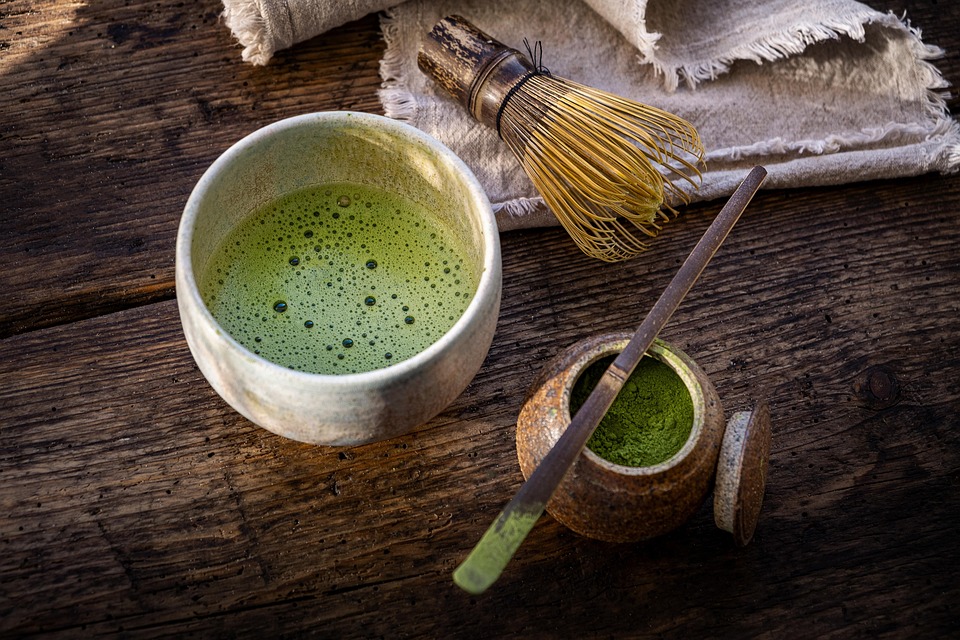
Whisking matcha with hot water using a bamboo whisk (chasen) creates a frothy texture, enhancing its flavor and experience.
Reflecting on the Journey Ahead
As we delve deeper into the world of natural health, it’s crucial to maintain a balanced perspective. Matcha offers a wealth of nutrients that can support overall well-being, including potential benefits for testosterone levels. However, it should not be viewed as a standalone solution. A holistic approach—including a balanced diet, regular exercise, and stress management—is essential for maintaining hormonal health.
As someone who has spent years researching natural health remedies, I find the intersection of tradition and modern science fascinating. Matcha is not just a beverage; it’s a cultural icon that has stood the test of time. As research continues to evolve, it will be exciting to see how our understanding of this vibrant green tea unfolds.
Medical Disclaimer
This article is for educational purposes only and does not replace professional medical guidance. Always speak with a qualified healthcare provider before making changes to your health routine.
References
-
K. K. H. et al. (2017). “Effects of Green Tea Extract on Testosterone Levels in Rats.” Journal of Nutritional Biochemistry. Link
-
K. T. et al. (2019). “Antioxidant Effects of Green Tea on Hormonal Health.” Phytotherapy Research. Link
-
Mayo Clinic. “Testosterone Levels: What You Need to Know.” Link
-
National Institutes of Health. “Testosterone: An Overview.” Link
Get Your FREE Natural Health Guide!
Subscribe now and receive our exclusive ebook packed with natural health tips, practical wellness advice, and easy lifestyle changes, delivered straight to your inbox.