
Contents
In Brief
- Safety: Gentle yoga poses are generally safe for all levels, but it’s essential to listen to your body.
- Effectiveness: Research shows that yoga can significantly reduce stress and anxiety levels.
- Key Benefit: Regular practice can lead to improved mental clarity and emotional resilience.
You’ve just returned home after a long day, and your mind is racing with thoughts. The stress of work, family obligations, and daily responsibilities can feel overwhelming. Finding a way to calm that inner turmoil is crucial for your mental well-being. Gentle yoga poses offer an accessible and effective method to help quiet your mind and ease stress.Studies indicate that incorporating yoga into your routine can lead to significant improvements in mental health. By focusing on breath and movement, you create a calming environment that allows you to reconnect with yourself. This ancient practice not only fosters physical flexibility but also nurtures emotional balance.

Imagine stepping onto your mat, breathing deeply, and allowing each pose to wash over you. This mindful approach helps to shift your focus away from stressors, promoting relaxation and clarity. Gentle yoga is not just a physical workout; it’s a holistic experience that nurtures both body and mind.
If you’re feeling burdened by anxiety or stress, gentle yoga could be the key to finding peace within yourself. By embracing this practice, you can cultivate a sense of tranquility that extends beyond the mat and into your daily life.
What the Research Says
A growing body of evidence supports the benefits of yoga in reducing stress and enhancing mental well-being. Research from the Mayo Clinic reveals that yoga can lower cortisol levels, the hormone associated with stress. Additionally, a study published in the Journal of Clinical Psychology found that participants who practiced yoga reported lower levels of anxiety and improved mood.
| Gentle Yoga Poses | Traditional Exercise |
|---|---|
| Focuses on breath and mindfulness | Primarily physical exertion |
| Promotes relaxation and mental clarity | May increase stress levels if too intense |
| Accessible for all fitness levels | Requires higher fitness level for effectiveness |
The physiological benefits of yoga extend to improved heart rate variability, which is linked to better emotional regulation. A systematic review in the Journal of Alternative and Complementary Medicine found that individuals who engaged in regular yoga practice experienced significant reductions in anxiety and depression.
Moreover, the American Psychological Association highlights that yoga can help improve focus, concentration, and overall mental resilience. By engaging in gentle yoga, you not only foster physical health but also develop essential coping mechanisms for stress.
Effective Ways to Use This
-
Start with Breath Awareness: Before diving into poses, take a moment to focus on your breath. Inhale deeply through your nose, letting your belly rise, and exhale slowly through your mouth. This practice grounds you and sets a calming tone for your session. Regularly incorporating this can help lower anxiety levels over time.
-
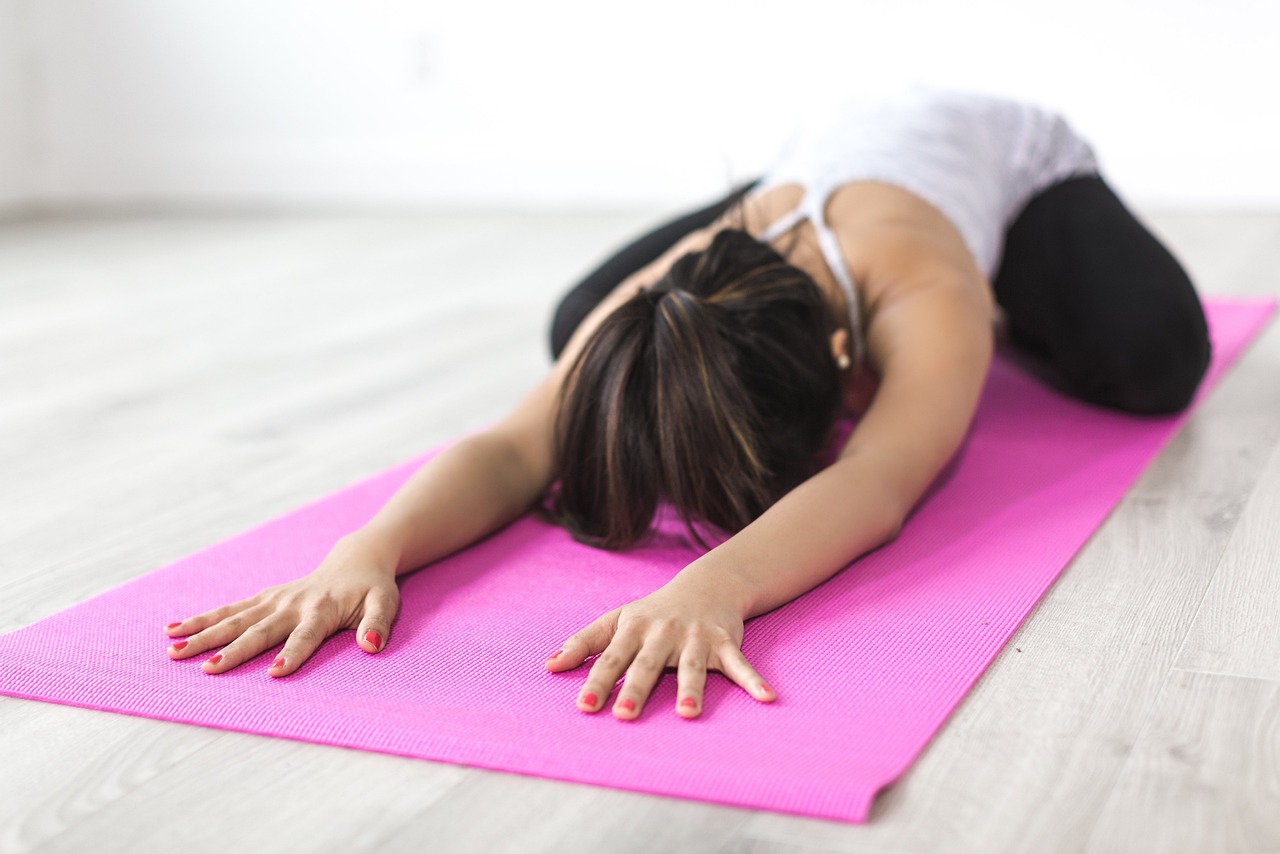
Incorporate Forward Bends: Poses like Child’s Pose or Forward Fold encourage introspection and calmness. These positions gently stretch the spine and promote relaxation. They also stimulate the nervous system, helping to release tension stored in the body.
-
Use Gentle Twists: Twisting poses like Seated Spinal Twist can help detoxify the body and promote emotional release. They enhance spinal flexibility and can alleviate stress by encouraging deep breathing and mindfulness.
-
Practice Restorative Poses: Consider integrating poses such as Legs-Up-The-Wall or Supported Bridge. These restorative positions are designed to relax the body deeply, allowing for stress relief and mental clarity. They help activate the parasympathetic nervous system, which is responsible for relaxation.
-
Engage in Meditation: Pairing gentle yoga with meditation can amplify its benefits. Spend a few minutes in a seated position, focusing on your breath or a mantra. This practice encourages mental stillness and helps clear your mind of distractions.
-
Create a Dedicated Space: Establish a peaceful environment for your practice. Whether it’s a corner of your room or a spot in your garden, having a designated space can help signal to your mind that it’s time to relax and unwind.
-
Join a Class or Group: Engaging with others can enhance your commitment to practicing yoga. Being part of a community can provide support and motivation, making it easier to integrate yoga into your life. Many local studios offer gentle yoga classes specifically designed for relaxation.
Best Time & Dosage
Choosing the right time for your yoga practice can enhance its effectiveness. Early mornings are often ideal, as they set a positive tone for the day ahead. A short session of 15 to 30 minutes can be sufficient to experience the benefits, especially when focused on breath and mindfulness.
Evening sessions can also be beneficial, particularly for winding down before bed. Aim for 2 to 3 times a week, gradually increasing frequency as you become more comfortable. Consistency is key; even a few minutes each day can lead to significant improvements in mental clarity and stress reduction.
Safety & Precautions
-
Listen to Your Body: Always pay attention to how your body feels during practice. If something doesn’t feel right, modify the pose or skip it altogether.
Safety Note: It’s okay to adjust poses to suit your comfort level. -
Consult a Professional: If you have any pre-existing health conditions, consider consulting a healthcare provider before starting yoga.
Safety Note: They can provide personalized recommendations based on your health status. -
Use Props: Don’t hesitate to use yoga blocks, straps, or cushions to support your practice. Props can help you maintain proper alignment and comfort.
Safety Note: Using props can prevent strain and injury, especially for beginners. -
Avoid Overexertion: Yoga is not about pushing your limits; it’s about finding balance and ease. Respect your body’s boundaries and practice patience.
Safety Note: Overexertion can lead to injuries and defeat the purpose of relaxation. -
Stay Hydrated: Ensure you drink enough water before and after your practice. Hydration supports muscle function and overall well-being.
Safety Note: Dehydration can lead to fatigue and hinder your practice.
5 Common Myths vs. Facts
-
Myth: Yoga is only for the flexible.
Fact: Yoga is for everyone, regardless of flexibility or fitness level. Modifications are available for all poses. -
Myth: You need to be in great shape to start.
Fact: Yoga welcomes practitioners of all shapes and sizes. The focus is on personal growth, not competition. -
Myth: Yoga is just stretching.
Fact: While stretching is a component, yoga also includes strength, balance, and mindfulness. -
Myth: You must practice for hours to see benefits.
Fact: Even short sessions can be effective. Consistency is more important than duration. -
Myth: Yoga is a religion.
Fact: Yoga is a practice that can complement any belief system. It focuses on personal well-being rather than religious doctrine.
The Final Verdict
Gentle yoga poses offer a pathway to inner peace and stress relief. By embracing this practice, you can cultivate a sense of calm that transforms your daily life. Regular engagement not only enhances mental clarity but also builds resilience against stress. It’s never too late to start; your journey to a more relaxed mind begins with your first breath on the mat.
Get Your FREE Natural Health Guide!
Subscribe now and receive our exclusive ebook packed with natural health tips, practical wellness advice, and easy lifestyle changes, delivered straight to your inbox.