
Contents
In Brief
- Safety: Generally safe for most individuals, but consult a healthcare professional if you have respiratory issues.
- Effectiveness: Supported by research showing reduced anxiety and improved emotional regulation.
- Key Benefit: Enhances focus and promotes a sense of calm throughout the day.
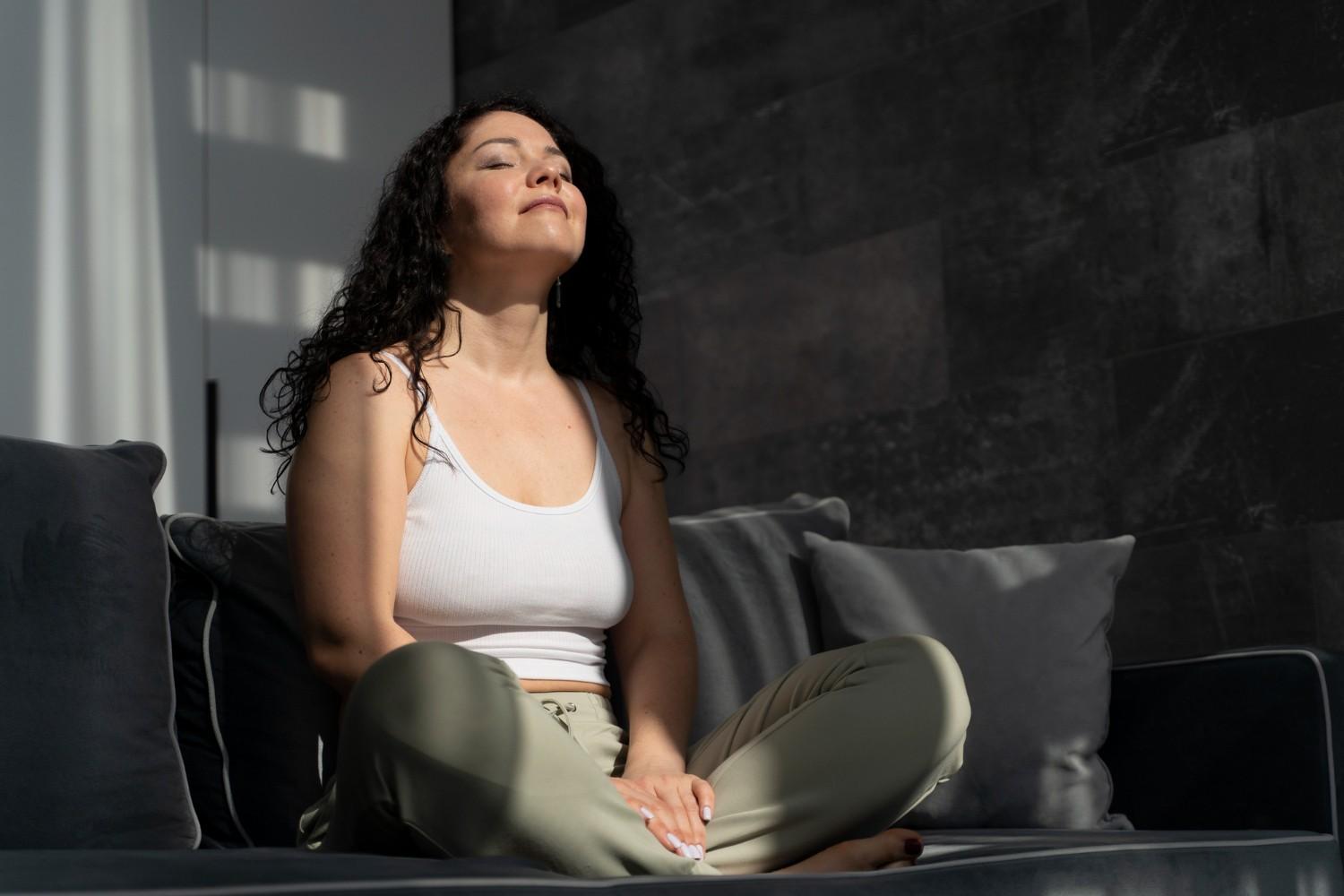
Imagine sitting in a meeting, your heart racing and palms sweaty, as anxiety grips you. It feels overwhelming, and you wonder if there’s a way to regain control. Deep breathing could be your answer, offering a simple yet powerful tool to calm your nervous system. Research supports its effectiveness in reducing stress and enhancing mental clarity, making it a valuable practice for anyone facing daily pressures.
The physiological response to stress can be intense, often leading to feelings of panic or dread. Acknowledging this, many seek methods to alleviate their symptoms. Deep breathing exercises are not just a trendy wellness fad; they are rooted in science and have been shown to activate the parasympathetic nervous system, promoting relaxation and a sense of well-being.
Incorporating deep breathing into your routine can transform your day. Whether you’re preparing for a presentation, dealing with a challenging conversation, or simply trying to find a moment of peace, these techniques can ground you. Engaging in intentional breathwork can shift your emotional state and improve your overall resilience against stressors.
So how does one start? It’s easier than you think. By dedicating just a few minutes each day to focused breathing, you can cultivate a more balanced and calm demeanor. The journey toward a more tranquil state of mind begins with a single, deep breath.
What the Research Says
Deep breathing exercises, often categorized under mindfulness and relaxation techniques, have been extensively studied for their impact on the nervous system. They work primarily by stimulating the vagus nerve, which plays a crucial role in regulating stress responses. According to the American Psychological Association, slow, deep breathing can significantly lower levels of cortisol, the stress hormone, while increasing serotonin, which contributes to feelings of happiness and well-being.
Research indicates that individuals who practice deep breathing regularly report lower levels of anxiety and improved emotional regulation. A randomized controlled trial published in the Journal of Clinical Psychology found that participants who engaged in structured deep breathing exercises experienced a marked reduction in anxiety levels compared to those who did not.
| Deep Breathing | Meditation | Physical Exercise |
|---|---|---|
| Quick to learn and implement; can be done anywhere. | Requires a longer time commitment and a quiet space. | Effective for overall health but may require more effort to start. |
| Directly impacts the autonomic nervous system. | Focuses on mental clarity and emotional balance. | Primarily benefits physical health and stamina. |
| Can be practiced in short bursts throughout the day. | May take time to see benefits; requires practice. | Immediate physical benefits but may not address mental stress directly. |
Effective Ways to Use This
1. **Morning Routine:** Start your day with a focused breathing session. This sets a positive tone, helping you tackle challenges with a clearer mind. Spend five to ten minutes inhaling deeply through your nose and exhaling slowly through your mouth. This practice can enhance your focus and energy levels throughout the day.
-
Pre-Meeting Calm: Before a stressful meeting or presentation, take a few minutes to center yourself. Inhale deeply for a count of four, hold for four, and exhale for six. This will help reduce anxiety and improve your confidence, allowing you to communicate more effectively.
-
During Breaks: Utilize deep breathing during breaks at work or school. Even a minute of focused breathing can reset your mind and alleviate stress. This practice can help maintain productivity and emotional stability, making it easier to transition between tasks.
-
Before Sleep: If racing thoughts keep you awake at night, implement a deep breathing routine before bed. Lie down comfortably and focus on your breath, letting go of the day’s stressors. This can significantly improve your sleep quality and overall well-being.
-
Mindfulness Integration: Combine deep breathing with mindfulness practices. As you breathe deeply, focus on the sensations in your body. This connection can enhance your self-awareness and emotional regulation, leading to a more balanced life.
-
Physical Activity: Incorporate deep breathing into your exercise routine. Whether you’re doing yoga, running, or strength training, being mindful of your breath can enhance your performance and reduce fatigue. This practice allows you to tune into your body and maintain a steady rhythm.
-
Coping Mechanism: Use deep breathing as a coping strategy during stressful moments. When faced with a difficult situation, take a moment to breathe deeply. This can help you respond calmly rather than react impulsively, promoting better decision-making and emotional control.
Best Time & Dosage
The optimal timing for deep breathing exercises can vary based on individual schedules and stressors. Generally, incorporating deep breathing into your morning routine can set a positive tone for the day. Aim for 5 to 10 minutes of focused breathing each morning, repeating this practice during breaks or stressful moments throughout the day.
Evenings are also an excellent time for deep breathing, particularly before bed. Spending 5 to 10 minutes on deep breathing can help calm the mind and prepare the body for restful sleep. Ultimately, the key is consistency; finding moments throughout your day to practice can yield the best results.
Safety & Precautions
1. **Consult a Healthcare Professional:** Before starting any new practice, especially if you have respiratory issues, consult your doctor to ensure safety.
Safety Note: Individuals with conditions like asthma or chronic obstructive pulmonary disease (COPD) should be cautious and seek professional guidance.
-
Listen to Your Body: Pay attention to how your body responds during deep breathing exercises. If you experience dizziness or discomfort, stop and resume normal breathing.
Safety Note: It’s essential to find a comfortable pace to avoid hyperventilation. -
Create a Comfortable Environment: Choose a quiet, comfortable space to practice deep breathing. This minimizes distractions and enhances relaxation.
Safety Note: A calm environment can significantly improve the effectiveness of your practice. -
Avoid Overexertion: Start slowly and gradually increase the duration and intensity of your practice. This helps your body adjust without strain.
Safety Note: Overdoing it can lead to fatigue, negating the benefits of the practice. -
Stay Hydrated: Ensure you are adequately hydrated before engaging in deep breathing exercises. Dehydration can negatively impact your overall well-being.
Safety Note: Drinking water can help maintain energy levels and cognitive function.
5 Common Myths vs. Facts
1. **Myth:** Deep breathing is only for relaxation.
**Fact:** While it promotes relaxation, deep breathing also enhances focus and emotional regulation.
-
Myth: Anyone can do it, so there’s no need for guidance.
Fact: Proper technique is essential; guidance can improve effectiveness and prevent discomfort. -
Myth: It takes too long to see benefits.
Fact: Many experience immediate stress relief and improved focus after just a few minutes of practice. -
Myth: Deep breathing is only effective during stressful moments.
Fact: Regular practice can build resilience and improve overall emotional health, even during calm times. -
Myth: You need to be in a quiet place.
Fact: Deep breathing can be practiced in various environments, making it a versatile tool for managing stress.
The Final Verdict
Deep breathing is a simple yet profound practice that can significantly enhance your daily life. By incorporating focused breathing techniques, you can manage stress, improve emotional regulation, and foster a sense of calm. Embracing this practice offers a pathway to a more balanced and resilient self, allowing you to navigate life’s challenges with greater ease. Start today, and witness the transformation for yourself.
Get Your FREE Natural Health Guide!
Subscribe now and receive our exclusive ebook packed with natural health tips, practical wellness advice, and easy lifestyle changes, delivered straight to your inbox.