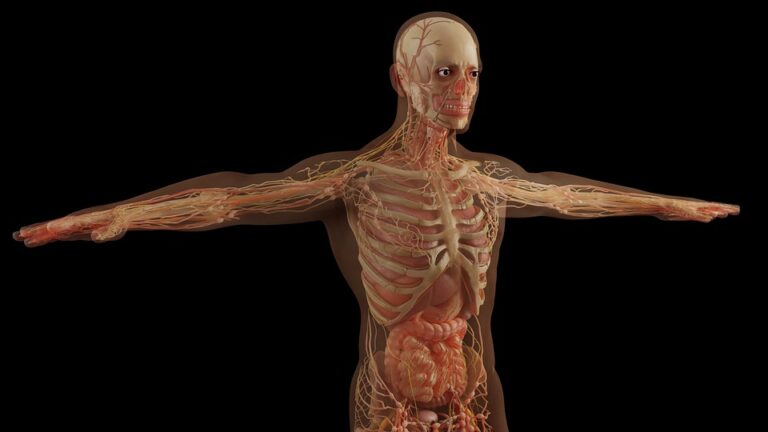
Understanding The Physiological Basis Of Dark Chocolate For Erection Blood Flow
Most of us recognize that our dietary choices shape how our systems function on a daily basis. We often look for simple ways to support cardiovascular health through the foods we select at the grocery store. It turns out that specific plant compounds found in cacao have gained interest for their potential to influence circulatory health.
The connection between cocoa intake and vascular integrity relates to the presence of natural compounds that assist with smooth muscle relaxation. By supporting the inner lining of the blood vessels, these ingredients may assist in maintaining healthy circulation throughout the body. When vascular function is optimal, the delivery of oxygen and nutrients to tissues becomes more efficient.
Dark chocolate for erection blood flow works by providing high concentrations of flavanols which signal the body to produce nitric oxide. This signaling molecule relaxes vessel walls and allows for improved arterial flow. Regular consumption of high cacao products acts as a supportive dietary habit for those looking to maintain healthy circulation.
Key Takeaways
- Dark chocolate containing 70 percent or higher cacao concentration provides the largest amount of polyphenols.
- Flavanols in cocoa demonstrate the ability to increase nitric oxide bioavailability by roughly 20 percent in some observed groups.
- The cardiovascular benefits of cocoa are most notable when consuming small portions of 20 to 30 grams daily.
Supporting Vascular Function With Polyphenol Rich Foods
Healthy blood vessel function relies on the flexibility of the endothelium. This thin layer of cells needs consistent support to manage pressure and flow properly. Research published by the National Institutes of Health highlights how dietary flavanols contribute to endothelial health over extended periods of time.
When you choose chocolate with a high percentage of solids, you minimize the intake of added sugars. High sugar intake can cause inflammation that counteracts the positive effects of the cocoa itself. Aim for products that feature minimal processing to ensure the active ingredients remain stable.
Consistency matters more than quantity when integrating these foods into a wellness plan. Eating a massive amount at once does not provide a linear benefit to the body. Small regular servings allow for a steady presence of bioactive compounds in the blood.
Quantifying The Impact Of Cocoa Flavanols
To understand the utility of cocoa, we must look at the concentration of active compounds per gram. Not all chocolate carries the same nutritional profile or potential for vascular support.
Consider this step by step breakdown for selecting the right profile for your diet. You want to prioritize products that remain closest to the raw bean.
- Select a product with at least 70 percent cacao to ensure a high density of flavonoids.
- Measure a portion size of 20 grams to avoid excessive caloric intake from fats and sugars.
- Review the label to confirm that sugar is not the first ingredient listed by the manufacturer.
| Cacao Percentage | Flavanol Density | Sugar Content |
|---|---|---|
| 70 Percent | High levels | Lower amounts |
| 50 Percent | Moderate levels | Moderate amounts |
| 30 Percent | Negligible levels | Higher amounts |
Mechanisms Behind Improved Circulation And Cacao
The cardiovascular system relies on a constant, steady pressure to function correctly. Studies from the University of California suggest that plant based compounds found in cocoa support the dilation of arteries. This process allows blood to move through the body without unnecessary restriction.
When vessels remain flexible, the entire body benefits from improved nutrient distribution. This is a foundational concept for anyone focused on long term circulatory vitality. Keeping the system clear of obstruction is a primary goal of any heart healthy diet.
It is important to remember that these foods are not a fix for underlying medical conditions. They serve as a gentle support mechanism within a broader lifestyle framework. Always view diet as a long term investment rather than a quick solution.
Addressing Real World Application And Dietary Barriers
Many individuals find that the bitterness of high percentage chocolate is a barrier to regular consumption. You can mitigate this by pairing the chocolate with berries or nuts. These additions provide fiber and healthy fats that complement the benefits of the cacao.
Avoid pairing your chocolate with dairy, as some evidence suggests that milk proteins might interfere with the absorption of polyphenols. Stick to plain, dark options to ensure you receive the intended benefits. This small change in consumption habits can make a difference over time.
Lifestyle factors like regular movement and stress management also play a large role in how well your body maintains blood flow. Food alone cannot compensate for a sedentary routine or chronic high stress. Combine your dietary efforts with daily physical movement to see the best results.
Essential Considerations For Metabolic Health
The impact of dietary habits on systemic health is a complex web of interactions. Data from the Centers for Disease Control indicates that balanced nutrition is the best defense against vascular aging. Focusing on whole foods allows you to support your body from the inside out.
Be mindful of the calorie density in chocolate products. Even with the benefits of dark cacao, the fat content can contribute to weight gain if consumed in excess. Balance is the key to maintaining a healthy weight while enjoying the rewards of your diet.
Listen to your body as you make changes to your daily intake. If you notice any discomfort, adjust your portions or frequency accordingly. Your wellness journey is personal and should be tailored to your own comfort and health markers.
Frequently Asked Questions
Can I replace my medication with dark chocolate?
It is dangerous to view any food as a substitute for professional medical care or prescribed protocols. Chocolate acts as a dietary supplement that supports general wellness rather than a primary tool for managing disease. Never stop or change any medication without consulting the provider who recommended it.
If you have concerns about your circulatory health, seek a comprehensive evaluation from a professional. Relying on snacks to manage clinical conditions can lead to missed opportunities for proper care. Always prioritize guidance from those who can assess your full health profile.
How much chocolate should I eat daily?
Most research suggests that a small portion of 20 to 30 grams is sufficient to obtain the beneficial compounds found in cocoa. Eating more than this may lead to unnecessary weight gain due to the caloric density of the product. The goal is to incorporate these compounds into a balanced diet, not to consume them in large quantities.
Consider your overall caloric budget when adding any new food to your day. It is often better to enjoy a small square of high quality dark chocolate than to consume large amounts of lower quality confectioneries. Consistency with a small amount is more effective than intermittent, large servings.
Does the type of processing affect the benefits?
Processing methods significantly alter the amount of beneficial polyphenols remaining in the final product. Much of the commercial processing, such as Dutch processing, significantly reduces the flavanol content. Always look for labels that specify minimal processing or raw cacao content.
The darker the chocolate, the more likely it is to retain the original properties of the cocoa bean. Avoid products that list alkali or processed additives prominently on the label. High quality dark chocolate will typically have a shorter, cleaner ingredient list.
Are there any side effects to consuming dark chocolate daily?
While generally safe for most people, the caffeine content in cocoa can cause issues for those sensitive to stimulants. Some individuals may experience sleep disturbances or increased heart rate if they consume these products late in the day. It is best to stick to morning or early afternoon intake to avoid these potential reactions.
Individuals who have sensitivities to nickel or certain proteins should also monitor their intake. As with any food, start with a small amount to see how your system responds. If you notice any unusual digestive or physical changes, discontinue use and evaluate your diet.
Is there an optimal time of day to eat it?
There is no specific scientific rule for the timing of chocolate consumption, though mid-day is often preferred by those monitoring their sleep. Avoiding caffeine intake in the evening is a standard wellness practice that helps maintain healthy rest cycles. Consuming it as part of a meal may also help regulate its impact on blood sugar levels.
Focus on enjoying your dark chocolate in a way that fits your schedule and does not disrupt your regular meals. Using it as a small treat after lunch can be a satisfying way to get your daily intake. Make sure it remains a consistent, intentional habit rather than an impulsive snack.
The Bottom Line
Using dark chocolate for erection blood flow is a strategy centered on supporting vascular health through high quality cacao. By choosing products with high flavanol content and minimal processing, you can help your body maintain the nitric oxide production needed for proper circulation.
Incorporate small portions of dark chocolate into your daily routine alongside other heart-conscious habits to maximize your results. Consult a licensed healthcare provider before starting any new wellness routine.
Get Your FREE Natural Health Guide!
Subscribe now and receive our exclusive ebook packed with natural health tips, practical wellness advice, and easy lifestyle changes, delivered straight to your inbox.