
Contents
In Brief
- Safety: Generally safe for most; consult a doctor if pregnant or on medications.
- Effectiveness: Research supports the calming effects of specific herbal teas.
- Key Benefit: Promotes relaxation, making it easier to fall asleep and stay asleep.
You’ve tossed and turned for hours, your mind racing with the day’s worries. Sleep seems like a distant dream, and the frustration builds with each passing minute. Finding a natural remedy that calms both the body and mind can feel like an impossible task, but calming teas have emerged as a soothing option for many seeking rest.
Research indicates that certain herbal teas not only promote relaxation but also enhance sleep quality. Ingredients like chamomile and valerian root have been shown to affect sleep patterns positively. By incorporating these calming brews into your nightly routine, you may find the restful sleep you’ve been yearning for.
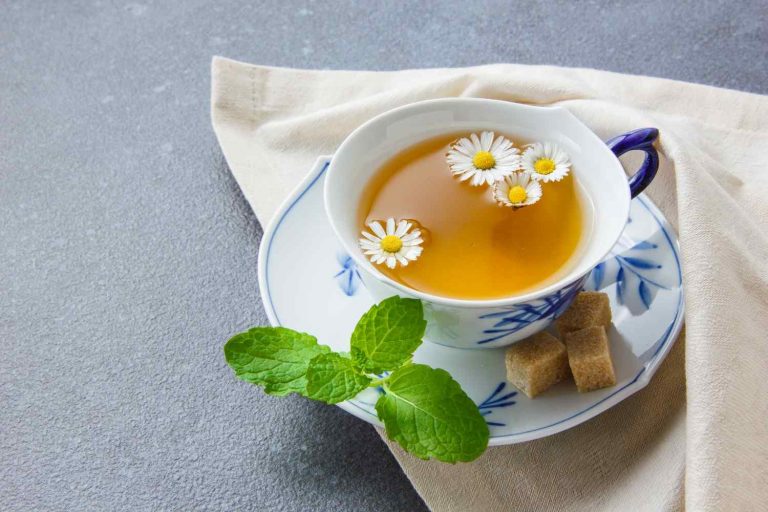
The good news is that these teas are easy to prepare and can be enjoyed as part of your evening ritual. Sipping a warm cup of tea before bed can signal to your body that it’s time to wind down, creating a comforting bedtime routine that encourages sleepiness and relaxation.
Explore how calming teas can transform your sleep routine, helping you embrace a night of restorative slumber. Let’s delve into the research and practical applications of these herbal allies.
What the Research Says
Studies suggest that various herbal teas can significantly improve sleep quality. For instance, chamomile tea has been linked to increased sleepiness and reduced insomnia symptoms. A study published in the Journal of Advanced Nursing found that participants who consumed chamomile tea reported improved sleep quality compared to those who did not.
Another popular choice, valerian root, has been used for centuries as a natural sedative. Research indicates that valerian can decrease the time it takes to fall asleep and improve overall sleep quality. A meta-analysis published in the American Journal of Medicine concluded that valerian root could be an effective treatment for insomnia.
To better understand how calming teas stack up against common alternatives like over-the-counter sleep aids, consider the following comparison:
| Calming Teas | Over-the-Counter Sleep Aids | Natural Alternatives |
|---|---|---|
| Herbal, non-habit forming | May cause dependency | Often non-habit forming |
| Promotes relaxation | May cause grogginess | Varied effects on relaxation |
| Rich in antioxidants | Limited nutritional value | Varied nutritional profiles |
Effective Ways to Use This
-
Establish a Bedtime Ritual: Incorporating calming tea into your nightly routine can signal to your body that it’s time to wind down. Consider setting aside 30 minutes before bed to prepare your tea and enjoy a moment of quiet. This practice can help create a consistent sleep schedule, improving your overall sleep quality.
-
Choose the Right Tea: Not all teas are created equal when it comes to promoting sleep. Chamomile, valerian root, and lavender are well-known for their calming properties. Research which teas resonate with you and keep them on hand, ready to brew for those restless nights.
-
Mindful Brewing: Take the time to brew your tea mindfully. Use fresh, filtered water and allow the tea to steep for the recommended time to maximize its benefits. This ritual not only enhances the flavor but also encourages a sense of calm as you prepare for sleep.
-
Create a Cozy Environment: Pair your calming tea with a relaxing environment. Dim the lights, play soft music, or light a candle to set the mood. A tranquil atmosphere can enhance the calming effects of the tea, making it easier to drift off to sleep.
-
Limit Caffeine Intake: Be mindful of your caffeine consumption throughout the day. Reducing caffeine intake, especially in the afternoon and evening, allows the calming effects of your tea to shine through. Aim for caffeine-free options in the hours leading up to bedtime.
-
Experiment with Temperature: Some people find that warm tea is more soothing, while others may prefer it chilled. Experimenting with the temperature can help you discover what feels best for your body and enhances your sleep routine.
-
Track Your Sleep Patterns: Keeping a sleep journal can help you identify which teas work best for you. Note how you feel after consuming specific teas and monitor your sleep quality. This feedback loop can guide you in refining your tea choices for optimal sleep.
Best Time & Dosage
The optimal time to enjoy calming teas is about 30 to 60 minutes before bedtime. This allows your body to absorb the soothing properties while also providing enough time for relaxation. As for dosage, generally, one cup (8 ounces) of tea is sufficient. However, some herbs, like valerian, may have specific recommendations, so it’s wise to follow the instructions on the package or consult a healthcare provider.
Safety & Precautions
-
Consult Your Doctor: Before adding new herbal teas to your routine, especially if you’re pregnant, nursing, or on medication, consult a healthcare professional.
Safety Note: Certain herbs can interact with medications, leading to adverse effects. -
Monitor for Allergies: Some individuals may have allergic reactions to specific herbs.
Safety Note: Always start with a small amount to see how your body reacts. -
Avoid Excessive Consumption: Drinking excessive amounts of some herbal teas can lead to side effects.
Safety Note: Stick to recommended dosages to avoid potential gastrointestinal issues. -
Be Mindful of Additives: Avoid adding excessive sugar or artificial sweeteners, which can counteract the calming effects.
Safety Note: Stick to natural sweeteners like honey or enjoy the tea plain. -
Consider Individual Sensitivities: Everyone’s body reacts differently to herbal remedies.
Safety Note: Pay attention to how you feel after consumption and adjust accordingly.
5 Common Myths vs. Facts
-
Myth: All herbal teas are safe.
Fact: Some herbs can interact with medications or cause allergic reactions. -
Myth: Calming teas are a quick fix for insomnia.
Fact: While they can help, they work best as part of a broader sleep hygiene routine. -
Myth: You can drink any tea before bed.
Fact: Caffeinated teas can disrupt sleep; opt for herbal varieties instead. -
Myth: Herbal teas have no side effects.
Fact: Some herbs can cause side effects, especially in high doses. -
Myth: All calming teas are equally effective.
Fact: Different herbs work for different individuals; it’s important to find what suits you.
The Final Verdict
Incorporating calming teas into your nightly routine can be a transformative experience for your sleep. With the right choices and mindful practices, you can create a soothing atmosphere conducive to restful slumber. Embrace the journey toward better sleep, and let these herbal allies guide you to a more peaceful night.
Get Your FREE Natural Health Guide!
Subscribe now and receive our exclusive ebook packed with natural health tips, practical wellness advice, and easy lifestyle changes, delivered straight to your inbox.