Contents
In Brief
- Safety: Generally safe for most individuals, but consult a healthcare provider if pregnant or on medications.
- Effectiveness: Evidence suggests calming teas can reduce anxiety and support cognitive function.
- Key Benefit: Regular consumption may lead to improved focus, relaxation, and overall brain health.
You’ve had a long, stressful day, and your mind races with thoughts. Each attempt to relax feels futile as anxiety lingers, making it hard to focus. Surprisingly, calming teas may offer a gentle yet effective solution to soothe your mind and enhance cognitive function.
Research reveals that various herbal infusions can significantly impact mental clarity and emotional well-being. Ingredients like chamomile, lavender, and lemon balm are not just soothing; they have been studied for their neuroprotective properties. Incorporating these teas into your daily routine may help transform your mental landscape.
Imagine starting your morning with a warm cup of chamomile or winding down in the evening with a soothing lavender blend. These rituals can help create a sense of calm and focus, allowing you to navigate your day with greater ease. The right tea can become a trusted ally in your quest for mental clarity and emotional balance.
The science behind calming teas is compelling. Many herbal ingredients contain compounds that have been shown to reduce stress hormones and promote relaxation, ultimately supporting brain health. This article will explore how these calming brews can enhance your daily life and provide a pathway to mental tranquility.
What the Research Says
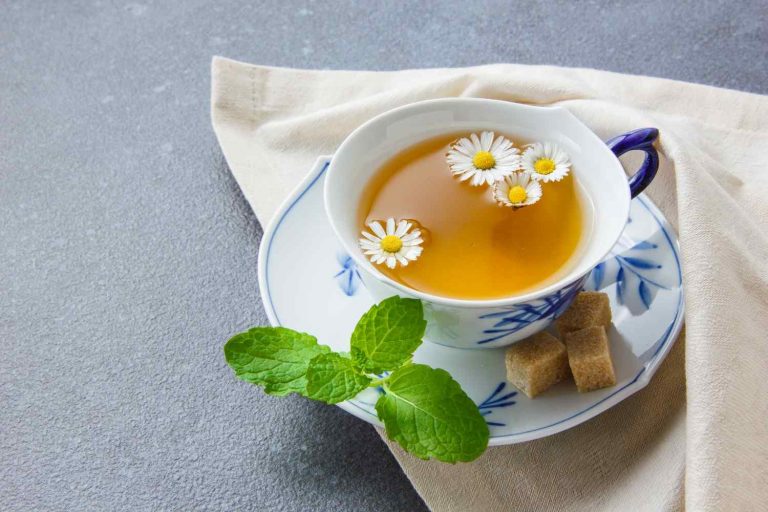
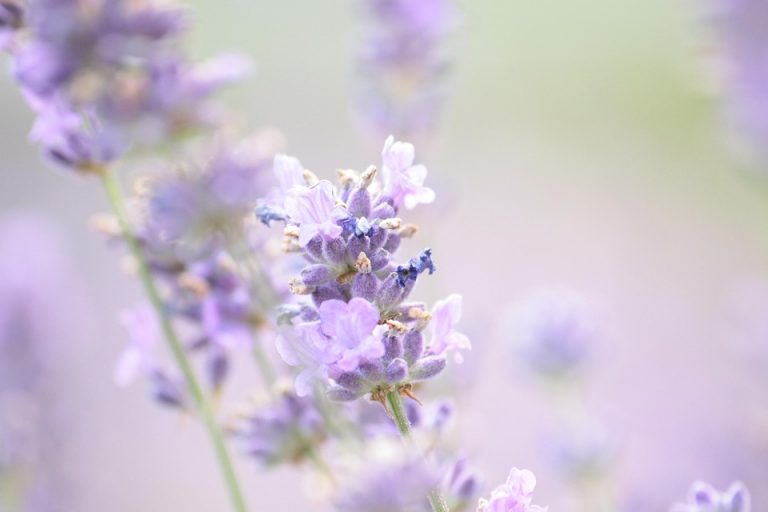
Scientific studies have demonstrated the benefits of calming teas on brain health. For instance, chamomile is rich in antioxidants and has been linked to reduced anxiety levels. Lavender, with its aromatic properties, has been shown to improve mood and cognitive function. Lemon balm has also garnered attention for its ability to enhance mental clarity while reducing stress.
| Calming Teas | Common Alternative (Caffeinated Teas) | Key Differences |
|---|---|---|
| Chamomile | Black Tea | Chamomile promotes relaxation; black tea may increase anxiety. |
| Lavender | Green Tea | Lavender enhances mood; green tea may cause jitters. |
| Lemon Balm | White Tea | Lemon balm supports focus; white tea can lead to overstimulation. |
Research published in journals such as the Journal of Clinical Psychology demonstrates that herbal teas can help mitigate symptoms of anxiety and depression. For example, a study found that participants who consumed lemon balm reported decreased anxiety levels and improved cognitive performance compared to those who did not.
Another compelling study highlighted the effects of chamomile on sleep quality. Participants who drank chamomile tea before bed experienced fewer sleep disturbances and reported feeling more refreshed upon waking. These findings suggest that calming teas can play a crucial role in not just mental health but overall well-being.
Effective Ways to Use This
-
Morning Ritual: Start your day with a cup of chamomile tea. This calming beverage can set a peaceful tone for your day, helping to reduce morning anxiety and improve focus. By taking a moment to enjoy this ritual, you can create a mindful start that prepares you mentally for the challenges ahead.
-
Midday Break: When stress levels rise at work, consider sipping a lemon balm tea. Its calming properties can help clear your mind, allowing you to tackle tasks more efficiently. This brief pause not only refreshes your mind but also enhances productivity by promoting a state of calm.
-
Pre-Workout Calm: Before engaging in physical activity, try having a cup of lavender tea. Its soothing effects can help ease pre-exercise jitters, allowing for a more focused and enjoyable workout. This practice can transform your exercise routine into a more mindful experience.
-
Post-Work Wind Down: After a long day, unwind with a calming tea blend featuring chamomile and lavender. This combination can help transition your mind from the stresses of the day to a more relaxed state, making it easier to enjoy your evening.
-
Evening Routine: Incorporate calming teas into your bedtime routine. Drinking chamomile or a relaxing herbal blend an hour before sleep can improve sleep quality and help you fall asleep faster. This practice may lead to improved cognitive function the next day.
-
Mindfulness Practice: Use tea time as a moment of mindfulness. Focus on the aroma, taste, and warmth of your tea. This practice can enhance your overall experience, making the act of drinking tea a form of meditation that fosters mental clarity and relaxation.
-
Social Connection: Share a cup of calming tea with friends or family. This not only promotes relaxation but also strengthens relationships. The act of connecting over tea can create a supportive environment that nurtures mental well-being.
Best Time & Dosage
Timing and dosage are crucial for maximizing the benefits of calming teas. Generally, a cup (8 ounces) of tea is sufficient to experience its calming effects. For most individuals, consuming this amount 1-3 times daily is advisable, depending on personal tolerance and preference.
Morning and afternoon are excellent times for calming teas, especially if you feel stress building. Evening consumption, particularly an hour before bed, can significantly improve sleep quality. It’s essential to listen to your body and adjust the timing based on how you feel throughout the day.
If you’re new to herbal teas, start with one cup per day and gradually increase to find your optimal amount. Always pay attention to how your body responds and consult with a healthcare professional if you have any concerns.
Safety & Precautions
-
Consult with a Healthcare Provider: Always check with a healthcare professional before starting any new herbal regimen, especially if you have pre-existing health conditions or are pregnant.
Safety Note: Some herbs can interact with medications, affecting their efficacy. -
Start with Small Amounts: If you’re new to calming teas, begin with a small serving to assess how your body reacts.
Safety Note: This approach helps prevent potential adverse reactions. -
Be Aware of Allergies: Ensure you’re not allergic to any ingredients in the tea blends you choose.
Safety Note: Allergic reactions can range from mild to severe, so it’s crucial to be cautious. -
Limit Caffeine Intake: While many calming teas are caffeine-free, some blends may contain small amounts. Monitor your overall caffeine consumption to avoid overstimulation.
Safety Note: High caffeine intake can counteract the calming effects of tea. -
Avoid Excessive Consumption: Drinking excessive amounts of herbal tea can lead to digestive issues or other side effects.
Safety Note: Moderation is key to enjoying the benefits of calming teas safely.
5 Common Myths vs. Facts
-
Myth: All herbal teas are caffeine-free.
Fact: Some herbal teas may contain caffeine or other stimulants, so always check the label. -
Myth: Calming teas are only effective for sleep.
Fact: While they can aid sleep, calming teas also support focus and reduce anxiety throughout the day. -
Myth: You can drink as much calming tea as you want.
Fact: Moderation is important; excessive consumption can lead to digestive discomfort or other issues. -
Myth: Herbal teas are safe for everyone.
Fact: Some individuals, especially those on medications, should consult a healthcare provider before consumption. -
Myth: All calming teas have the same effects.
Fact: Different herbs have unique properties, and their effects can vary based on individual responses.
The Final Verdict
Incorporating calming teas into your daily routine can significantly enhance your mental well-being. With their evidence-backed benefits, these herbal infusions offer a gentle yet effective way to reduce anxiety and promote cognitive function. By embracing the rituals surrounding these teas, you can transform your day and cultivate a sense of peace and clarity.
Taking small, mindful steps towards integrating calming teas can lead to profound changes in how you navigate life’s challenges. Embrace this natural approach and enjoy the journey to a calmer, more focused mind.
Get Your FREE Natural Health Guide!
Subscribe now and receive our exclusive ebook packed with natural health tips, practical wellness advice, and easy lifestyle changes, delivered straight to your inbox.