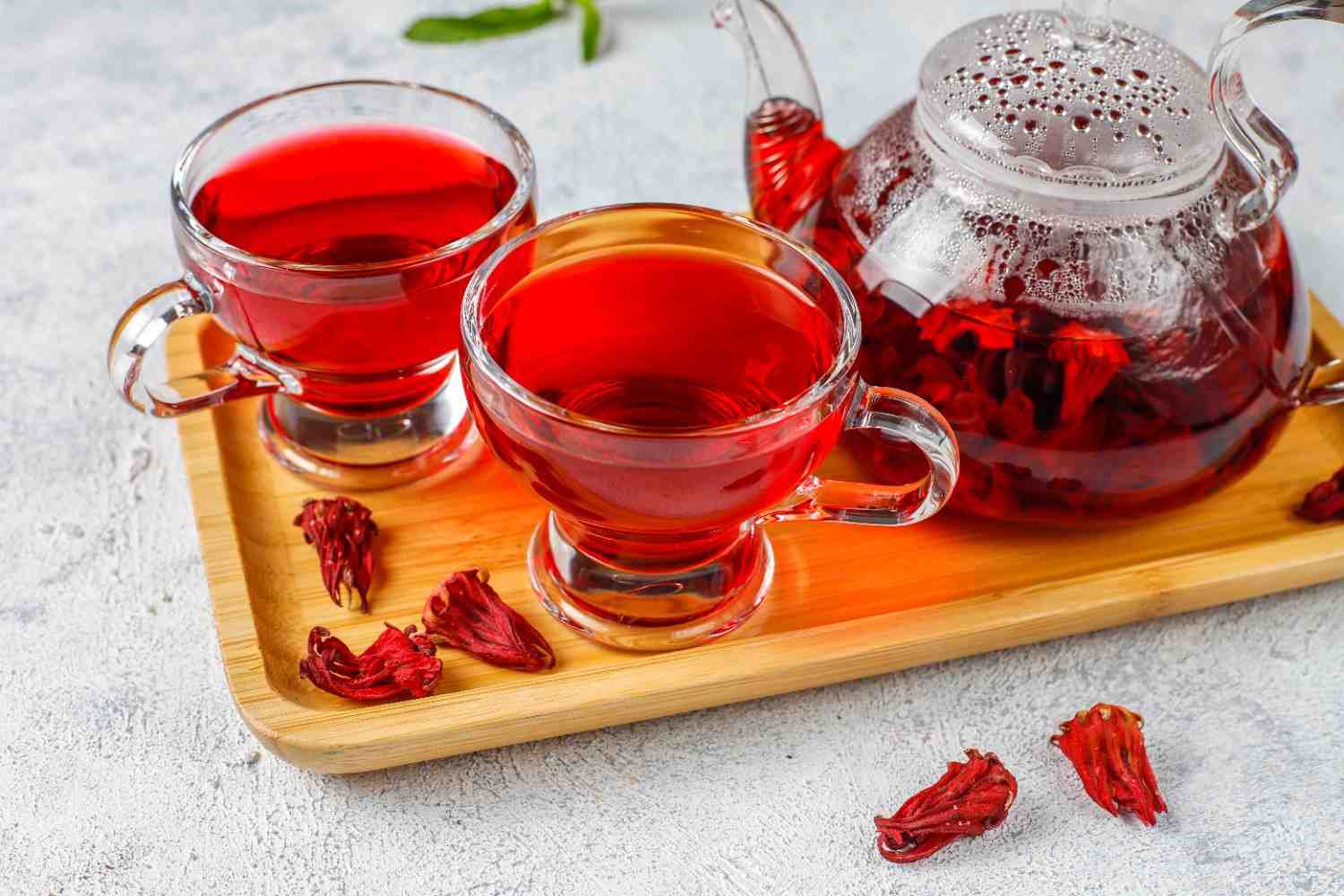

Hibiscus tea has garnered attention as a natural remedy for various health concerns, particularly in regulating blood pressure. Many individuals struggle with hypertension, often seeking solutions that do not involve pharmaceuticals. The rise in lifestyle-related health issues has prompted a search for alternatives that are both effective and accessible. Hibiscus tea, made from the vibrant petals of the Hibiscus sabdariffa plant, offers a promising option for those looking to manage their blood pressure naturally.
This herbal infusion is not only rich in antioxidants but also possesses unique properties that may contribute to cardiovascular health. The appeal of hibiscus tea lies in its simplicity, ease of preparation, and the potential for significant health benefits. As more people become aware of the importance of maintaining healthy blood pressure levels, hibiscus tea emerges as a practical solution that can be easily incorporated into daily routines.
Incorporating hibiscus tea into one’s diet may seem straightforward, yet understanding its full potential requires knowledge of effective usage and preparation. This guide delves into the practical applications of hibiscus tea, common mistakes to avoid, the underlying science, and tips for selecting the best products. By exploring these facets, individuals can make informed decisions about integrating this herbal remedy into their lives.
The journey toward better health through natural means is both empowering and enlightening. As we explore the benefits and applications of hibiscus tea, we will uncover how this simple herbal infusion can play a pivotal role in achieving and maintaining healthy blood pressure levels.
Contents
How to Use Hibiscus Tea for Real Results
- Best Form: Dried hibiscus petals
- Best Time: Morning and evening
- Expected Result: Noticeable reduction in blood pressure
For Daily Protection
The Prep: Gather dried hibiscus petals, water, and a sweetener if desired. Use about one tablespoon of dried petals for every cup of water. Ensure the water is filtered for optimal taste and quality.
The Action: Boil the water and add the dried hibiscus petals. Allow the mixture to steep for around 10 to 15 minutes. Strain the tea and add sweetener if preferred. This tea can be enjoyed hot or chilled for a refreshing drink.
The Feeling: Upon sipping, a tart yet refreshing flavor envelops the palate. The sensation is invigorating, often accompanied by a cooling effect. The benefits may begin to manifest within weeks of regular consumption.
Pro Tip: Experiment with adding lemon or ginger for enhanced flavor and additional health benefits.
Targeting Acute High Blood Pressure
The Prep: Use the same ingredients as before, but this time prepare a double-strength brew. Utilize two tablespoons of dried petals for every cup of water to maximize the tea’s potency.
The Action: Follow the same steps as before, ensuring to steep the tea longer, around 20 minutes, to extract more of the beneficial compounds.
The Feeling: The flavor remains tart but may be more pronounced. This concentrated brew may bring about a quicker sense of relaxation, as the body responds to the tea’s properties.
Pro Tip: Consider drinking this stronger brew during particularly stressful days or after high-sodium meals.
The Nighttime Routine
The Prep: Prepare your hibiscus tea in the evening using one tablespoon of dried petals. You may also add chamomile for additional calming effects.
The Action: Boil the water and steep the hibiscus petals for about 10 minutes. This will help create a soothing pre-bedtime ritual.
The Feeling: The warm tea brings comfort and relaxation, easing the mind and body. Many users report improved sleep quality and a sense of tranquility.
Pro Tip: Allow the tea to cool slightly before drinking to enhance the calming experience.
Common Pitfalls to Avoid with Hibiscus Tea
Using Low Quality Herbs
The quality of the hibiscus petals significantly affects the health benefits. Many commercially available products may contain fillers or lower-quality ingredients. This can dilute the potency of the active compounds that help regulate blood pressure.
To ensure effectiveness, always select high-quality, organic dried hibiscus petals. Look for reputable brands that provide information on sourcing and quality testing.
Overconsumption
While hibiscus tea is generally safe, excessive consumption can lead to unwanted side effects. Drinking more than three cups a day may cause gastrointestinal discomfort and could impact blood pressure levels negatively.
Moderation is key. Start with one cup per day and gradually increase to assess tolerance. Listening to your body will guide you in finding the right balance.
Neglecting Other Lifestyle Factors
Relying solely on hibiscus tea for blood pressure management can create a false sense of security. Many individuals overlook the importance of a balanced diet, regular exercise, and stress management.
Hibiscus tea should be part of a broader lifestyle approach. Combine it with healthy eating habits and physical activity for optimal results in managing blood pressure.
The Science Behind Hibiscus Tea and Blood Pressure
Research indicates that hibiscus tea can be effective in lowering blood pressure. The mechanism involves promoting vasodilation, which relaxes blood vessels and improves blood flow. This process can lead to reduced arterial stiffness, a significant factor in hypertension.
The key compound in hibiscus tea is anthocyanins. These antioxidants are responsible for the deep red color of the petals and have been shown to exhibit anti-inflammatory and antihypertensive effects. Regular consumption of hibiscus tea can lead to significant improvements in blood pressure levels.
Clinical studies support these claims, demonstrating that hibiscus tea can effectively lower both systolic and diastolic blood pressure. For more in-depth information, refer to PubMed for research articles detailing these findings.
Choosing the Right Hibiscus Tea Product
- Potency: Look for products that specify the concentration of active compounds. Higher potency often translates to better results.
- Purity: Ensure the tea is free from additives and preservatives. This guarantees that you are consuming the full benefits of the hibiscus.
- Form: Choose between loose leaf or tea bags according to your preference. Loose leaf often provides a richer flavor and higher quality.
Understanding the Pros and Cons
| The Benefits | Potential Downsides |
|---|---|
| May effectively lower blood pressure. | Excessive consumption can cause gastrointestinal issues. |
| Rich in antioxidants that support overall health. | May interact with certain medications. |
| Easy to prepare and incorporate into daily routine. | Flavor may not appeal to everyone. |
Incorporating Healthy Habits
Engaging in regular physical activity can enhance the effects of hibiscus tea. Aim for at least 150 minutes of moderate exercise weekly to improve cardiovascular health.
Maintaining a balanced diet rich in fruits, vegetables, and whole grains complements the benefits of hibiscus tea. Reducing sodium intake can further support healthy blood pressure levels.
Who Should Avoid This?
– Pregnant individuals due to potential effects on blood pressure.
– People taking antihypertensive medications without consulting a healthcare provider.
– Individuals with allergies to hibiscus or related plants.
– Those with certain medical conditions, including liver or kidney disorders.
Common Questions
How often should I drink hibiscus tea?
Daily consumption of one to three cups is generally recommended for blood pressure management.
Can hibiscus tea be consumed cold?
Yes, hibiscus tea can be served chilled and is often enjoyed as a refreshing beverage in warmer months.
Is hibiscus tea safe for everyone?
While generally safe, individuals with specific health conditions should consult a healthcare provider before regular consumption.
Can I add other ingredients to hibiscus tea?
Yes, adding lemon, ginger, or honey can enhance flavor and provide additional health benefits.
The Bottom Line
Integrating hibiscus tea into your daily routine can be a simple yet effective way to support healthy blood pressure levels.
- The Truth: While beneficial, hibiscus tea should not replace medical treatment for hypertension.
- The Strategy: Enjoy one to three cups daily for optimal effects.
- The Next Step: Incorporate other healthy lifestyle habits for the best results.
Get Your FREE Natural Health Guide!
Subscribe now and receive our exclusive ebook packed with natural health tips, practical wellness advice, and easy lifestyle changes, delivered straight to your inbox.