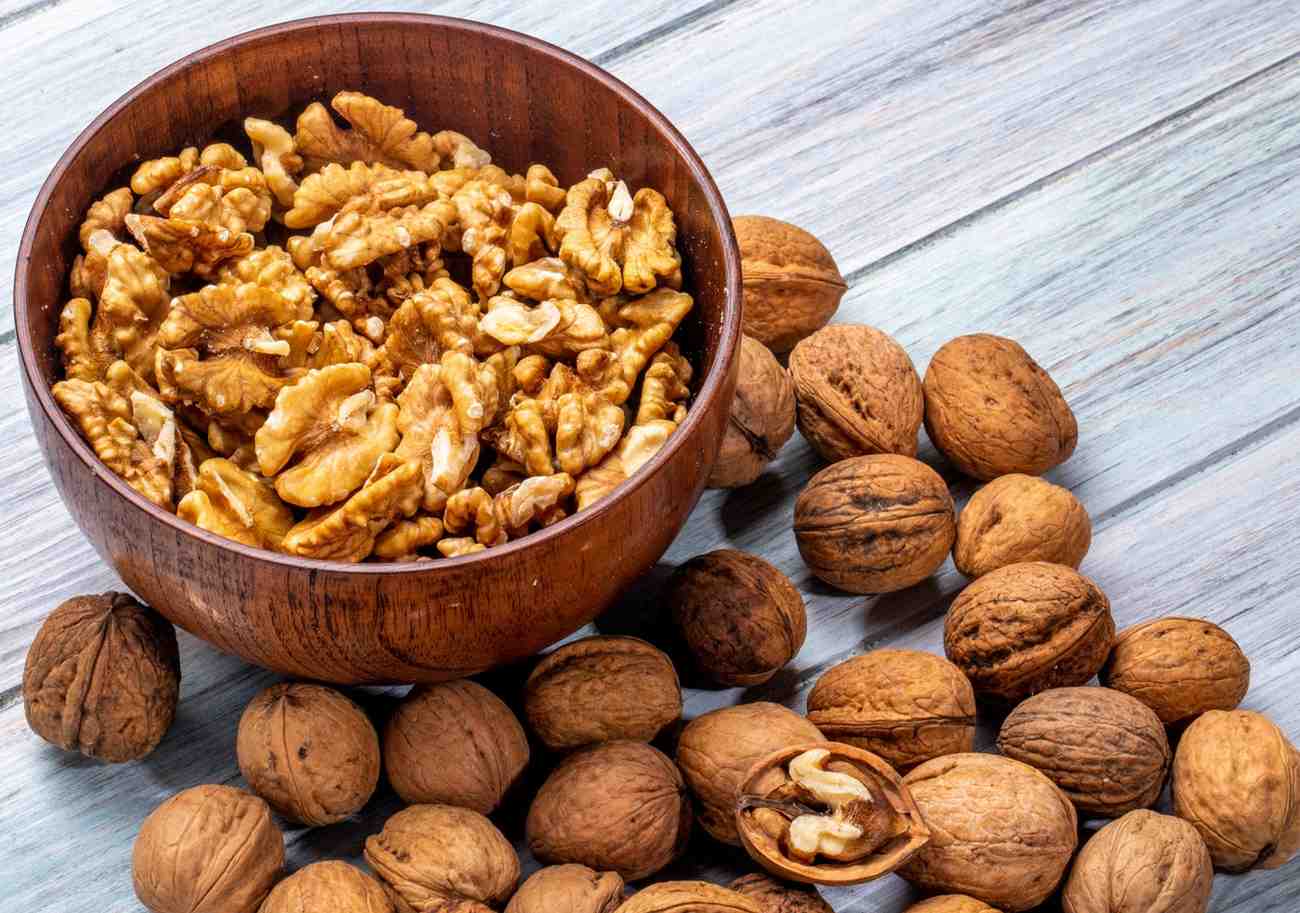

When I first began to explore the world of heart health, I stumbled upon a surprising truth: nuts are not just a tasty snack; they are potent allies for cardiovascular well-being. I remember sitting in a cozy café, a bowl of mixed nuts in front of me, pondering how something so small could wield such significant health benefits. As I dug deeper, I found that the heart health benefits of nuts extend far beyond what many people realize.
Contents
A Nutrient Powerhouse
Nuts are rich in essential nutrients, including healthy fats, fiber, protein, vitamins, and minerals. For instance, almonds, walnuts, and pistachios are particularly high in monounsaturated and polyunsaturated fats, which are known to support heart health by lowering bad cholesterol levels. According to a study published in the Journal of the American College of Cardiology, replacing saturated fats with these healthy fats can significantly reduce the risk of heart disease.
The Fiber Factor
In addition to healthy fats, nuts are an excellent source of dietary fiber. A handful of walnuts contains about 2 grams of fiber, which can help regulate cholesterol levels and improve digestion. Research from the American Journal of Clinical Nutrition shows that a high-fiber diet can lower the risk of coronary heart disease. So, if you’re looking for a simple way to enhance your heart health, incorporating nuts into your daily routine could be a game changer.
Antioxidant Properties
Most nuts are also loaded with antioxidants, which can combat oxidative stress that leads to cardiovascular diseases. For example, walnuts are particularly high in polyphenolic compounds, which have been shown to reduce inflammation and improve endothelial function. A study from Nutrients found that consuming walnuts daily could decrease inflammatory markers, contributing to better heart health.
The Unsung Heroes: Specific Nuts and Their Unique Benefits
While all nuts offer heart health benefits, some stand out due to their unique nutrient profiles.
Walnuts: The Omega-3 Champion
Walnuts are often touted for their omega-3 fatty acids, which are essential for heart health. Omega-3s can help reduce blood pressure and inflammation. A clinical trial published in Circulation found that participants who consumed walnuts regularly had improved endothelial function, which is crucial for maintaining healthy blood vessels.
Almonds: The Cholesterol Busters
Almonds are rich in vitamin E and magnesium, both of which play a role in maintaining heart health. A study from the European Journal of Clinical Nutrition discovered that regular almond consumption could lower LDL cholesterol levels significantly. I’ve personally noticed that adding a handful of almonds to my breakfast not only keeps me full but also gives me peace of mind about my heart health.
Pistachios: The Heart-Healthy Snack
Pistachios are not just tasty; they’re also packed with potassium, which is essential for heart health. A study published in the American Journal of Clinical Nutrition showed that eating pistachios could lower blood pressure and improve cholesterol profiles. I often keep a small bag of pistachios in my backpack for a quick and healthy snack while on the go.
Hazelnuts: The Blood Sugar Regulators
Hazelnuts contain healthy fats and fiber that can help regulate blood sugar levels. Research from the Journal of Nutrition indicates that incorporating hazelnuts into a diet could improve insulin sensitivity, reducing the risk of heart disease, particularly for those with diabetes.
Cultural and Historical Context
Nuts have been a part of human diets for thousands of years. Ancient civilizations, from the Greeks to the Chinese, recognized their nutritional value and included them in their diets. The Greeks, for instance, revered walnuts and believed they were beneficial for the brain. This historical context adds depth to our understanding of nuts as not just modern health foods but as long-standing staples in heart-healthy diets.
Practical Applications: How to Incorporate Nuts into Your Diet
So, how can you make nuts a regular part of your diet? Here are some practical tips that I’ve found useful:
Morning Boost
Start your day with a handful of nuts mixed into your oatmeal or yogurt. It’s a simple way to add texture and flavor while boosting your nutrient intake.
Snack Attack
Instead of reaching for chips or candy, opt for a small serving of mixed nuts. Keeping a jar of nuts on your desk can help curb unhealthy snacking habits.
Culinary Creations
Incorporate nuts into your meals, whether in salads, stir-fries, or baked goods. I’ve recently started adding crushed almonds to my salads for an extra crunch and flavor.
Nut Butters
Nut butters, like almond or walnut butter, can be a delicious spread on whole-grain bread or added to smoothies. Just be cautious of added sugars and oils in store-bought varieties.
Portion Control
While nuts are healthy, they are calorie-dense. It’s easy to overindulge, so keeping portions in check is essential. A small handful (about 1 ounce) is usually a good serving size.
Counterpoints and Caveats
While the benefits of nuts are substantial, it’s essential to approach them mindfully. Some individuals may have nut allergies, which can lead to severe reactions. Additionally, not all nuts are created equal; for instance, nuts that are heavily salted or coated in sugar can negate health benefits.
Furthermore, some studies indicate that excessive nut consumption may lead to weight gain due to their high-calorie content. Balancing nut intake with overall dietary habits is crucial.
Personal Observations
In my journey toward healthier eating, I’ve found that understanding the benefits of various foods makes a significant difference. Initially skeptical about how effective a small handful of nuts could be, I now see them as a crucial component of my heart health strategy.
I’ve also noticed that the variety of nuts available can make healthy eating more exciting. Trying different types—like cashews, macadamia nuts, or Brazil nuts—has kept my palate engaged, making it easier to stick to healthier choices.
FAQs
1. How many nuts should I eat daily for heart health?
A daily serving of about 1 ounce (approximately a small handful) is generally recommended for heart health benefits.
2. Are all nuts equally beneficial for heart health?
While all nuts offer health benefits, some, like walnuts and almonds, are particularly high in omega-3 fatty acids and vitamin E, respectively, making them especially beneficial for heart health.
3. Can nuts help lower cholesterol?
Yes, studies have shown that regular nut consumption can lower LDL cholesterol levels, contributing to better heart health.
4. Are there any risks associated with eating nuts?
Some individuals may have nut allergies, and excessive consumption can lead to weight gain due to their high-calorie content. Moderation is key.
5. How can I incorporate nuts into my diet?
You can add nuts to your breakfast, use them as snacks, incorporate them into meals, or enjoy nut butters in smoothies and spreads.
Reflecting on the Journey Ahead
As we continue to uncover the myriad ways nuts can benefit heart health, it’s essential to remain curious and open-minded. The world of nutrition is ever-evolving, and new studies are continually shedding light on the complex relationship between diet and health.
Incorporating nuts into your diet might seem like a small change, but it could lead to significant health improvements over time. As I reflect on my own dietary choices, I encourage you to explore the diverse world of nuts and discover the unique flavors and health benefits they offer.
Medical Disclaimer
This article is for educational purposes only and does not replace professional medical guidance. Always speak with a qualified healthcare provider before making changes to your health routine.
References
- Journal of the American College of Cardiology – Study on saturated fats and heart disease.
- American Journal of Clinical Nutrition – Research on fiber and coronary heart disease.
- Nutrients – Study on walnuts and inflammation.
- European Journal of Clinical Nutrition – Study on almond consumption and cholesterol.
- American Journal of Clinical Nutrition – Research on pistachios and blood pressure.
- Journal of Nutrition – Study on hazelnuts and insulin sensitivity.
Get Your FREE Natural Health Guide!
Subscribe now and receive our exclusive ebook packed with natural health tips, practical wellness advice, and easy lifestyle changes, delivered straight to your inbox.