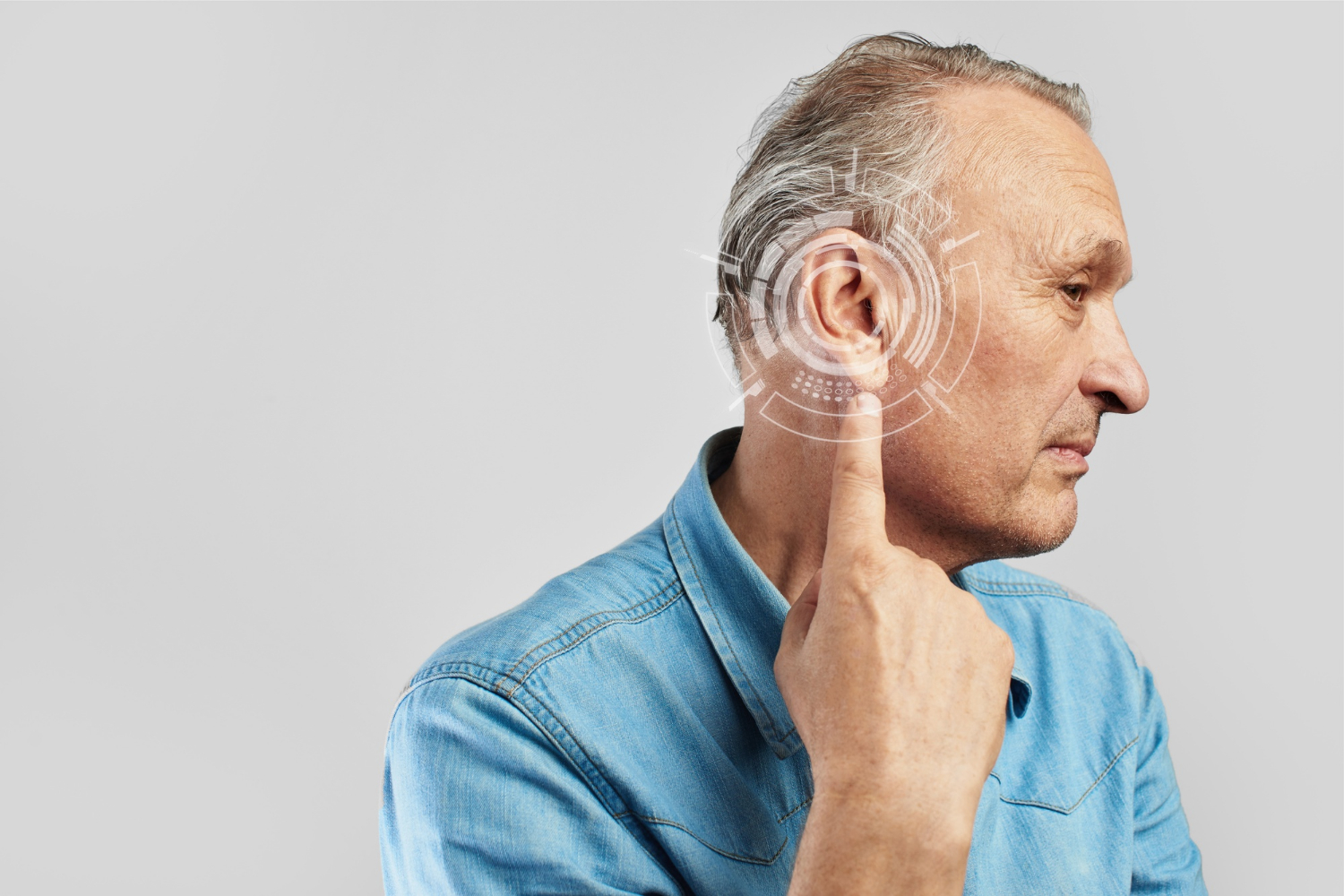

Many individuals grapple with the overwhelming noise of daily life. The constant barrage of sounds can lead to heightened stress levels, anxiety, and even insomnia. These issues not only affect mental well-being but can also manifest physically, impacting overall health. Sound therapy emerges as a powerful ally in this battle against chaos, offering a pathway to tranquility and improved well-being.

Sound therapy focuses on the therapeutic use of sound to promote healing and relaxation. It taps into the innate connection between sound and human emotion, providing an avenue for stress relief and mental clarity. The gentle vibrations and harmonies can restore balance in both the mind and body, making it a valuable tool for those seeking holistic wellness.
This guide delves into the multifaceted benefits of sound therapy, illustrating how it can enhance hearing, reduce anxiety, and improve sleep quality. Through practical applications, scientific understanding, and lifestyle integration, readers will discover how to harmonize their hearing and overall health through sound.
Understanding the nuances of sound therapy can empower individuals to take charge of their wellness journey. From daily practices to addressing specific health concerns, the insights shared here will serve as a comprehensive resource for anyone interested in exploring the transformative power of sound.
Contents
How to Use Sound Therapy for Real Results
- Best Form: Sound frequencies (binaural beats, singing bowls)
- Best Time: Before sleep or during meditation
- Expected Result: Enhanced relaxation, improved sleep, reduced anxiety
For Daily Protection
Begin by selecting a sound frequency or type that resonates with you. Binaural beats at a frequency of 432 Hz are often recommended for daily use as they promote a sense of calm. Find a quiet space where you won’t be disturbed, and consider using headphones for an immersive experience.
Once settled, play the sound track at a low volume. Close your eyes and focus on your breathing. Allow the sound to wash over you, creating a cocoon of tranquility. Spend at least 15 to 30 minutes in this practice, letting your mind drift away from daily stressors.
You may feel a tingling sensation in your body as the sound vibrations interact with your energy fields. This feeling of lightness should last throughout the session, leaving you refreshed and centered afterward. Pro Tip: Incorporate this practice into your morning routine to set a positive tone for the day.
Targeting Acute Stress
Gather a set of singing bowls or tuning forks specifically tuned to your desired frequency. These tools can amplify the sound therapy experience. Ensure you have a comfortable mat or cushion to sit or lie down on during the session.
Start by striking the bowl gently and allowing it to resonate. As the sound fills the space, focus on areas of tension in your body. Use the vibrations from the bowls to guide your awareness, directing your breath into these areas. Spend approximately 20 minutes in this focused practice.
You will likely experience a deep sense of relaxation, with sensations of warmth and release in tight muscles. This soothing effect can linger for hours, promoting a sense of peace. Pro Tip: Use this technique after a stressful day to unwind effectively.
The Nighttime Routine
Prepare your environment by dimming the lights and ensuring your space is free from distractions. Opt for gentle soundscapes, such as nature sounds or soft instrumental music. These can be played through speakers or headphones, depending on your preference.
As you lie down, take deep breaths and allow the sound to envelop you. Focus on the rhythm of your breath in sync with the music. This practice should last for about 30 minutes, ideally as part of your pre-sleep ritual.
Many individuals report feelings of serenity and a gradual easing into sleep. This practice can help reduce insomnia and improve sleep quality over time. Pro Tip: Consistency is key; aim to incorporate this routine nightly.
Common Mistakes to Avoid in Sound Therapy
Using Low-Quality Audio Sources
One common mistake is opting for low-quality sound recordings or devices. Poor audio quality can distort the intended therapeutic effects of sound therapy. For optimal results, invest in high-quality speakers or headphones that accurately reproduce sound frequencies.
Choosing premium audio sources ensures that the healing properties of sound are preserved. This can significantly enhance your overall experience, leading to better relaxation and therapeutic outcomes. Prioritize quality over quantity when selecting your sound tools.
Inconsistent Practice
Another frequent error is the lack of consistency in practice. Sound therapy is most effective when integrated into a regular routine. Skipping sessions may hinder the benefits and prevent you from experiencing lasting changes.
Establish a specific schedule for your sound therapy practice. Whether daily or several times a week, committing to a routine can amplify the positive effects on your mental and emotional well-being. Consider setting reminders to keep you on track.
Ignoring Personal Preferences
Many individuals make the mistake of not considering personal preferences in sound selection. What works for one person may not resonate with another. Ignoring individual tastes can lead to disengagement and reduced effectiveness.
Take the time to explore various sound types and frequencies. Whether you prefer nature sounds, instrumental music, or binaural beats, finding what resonates with you is crucial. This personalized approach will enhance your connection to the practice and increase its benefits.
The Science Behind Sound Therapy
Sound therapy operates on the principle that sound waves can influence physical and emotional states. The biological mechanism involves the brain’s response to sound frequencies. These frequencies can stimulate brainwave activity, promoting relaxation and reducing stress levels.
Key compounds in sound therapy include specific frequencies that have been shown to impact the body positively. For example, binaural beats utilize two slightly different frequencies to create a third perceived frequency in the brain. This phenomenon can alter brainwave patterns, leading to states of relaxation and heightened awareness.
Clinical studies have demonstrated the efficacy of sound therapy in various settings. Research has shown that sound therapy can reduce anxiety and improve sleep quality. For further reading on the clinical evidence surrounding sound therapy, visit PubMed.
Choosing the Right Product
- Potency: Higher potency products often yield more pronounced effects, making them more effective for therapeutic use.
- Purity: Pure sound sources without background noise or distortion ensure a more authentic experience, allowing for better relaxation.
- Form: Whether using apps, devices, or physical instruments, the form should suit your personal preference and lifestyle for optimal use.
Benefits vs Risks
| The Benefits | Potential Downsides |
|---|---|
| Promotes relaxation and stress relief | May not work for everyone |
| Improves sleep quality | Requires consistency for effectiveness |
| Enhances mental clarity and focus | Potential for overstimulation in sensitive individuals |
Habits for Enhanced Sound Therapy
Incorporating mindfulness practices such as meditation can amplify the benefits of sound therapy. Engaging in mindfulness allows individuals to become more attuned to their inner experiences, enhancing the connection to sound.
Regular physical exercise also complements sound therapy. Exercise promotes overall well-being and can improve the body’s response to sound frequencies, leading to deeper relaxation and healing.
Who Should Avoid This?
- Individuals with severe auditory sensitivity
- Those with certain neurological disorders
- Pregnant women without consulting a healthcare provider
Common Questions
What types of sounds are best for therapy?
Nature sounds and specific frequencies, such as binaural beats, are often recommended for their calming effects.
How long should I practice sound therapy?
Sessions lasting 15 to 30 minutes are generally effective for relaxation and stress relief.
Can sound therapy help with chronic pain?
Many individuals report reduced pain levels through consistent sound therapy practices.
Is sound therapy safe for everyone?
While generally safe, individuals with specific sensitivities or conditions should consult a healthcare professional.
The Bottom Line
Sound therapy offers a unique pathway to enhanced well-being and relaxation.
- The Truth: While effective for many, it may not work for everyone.
- The Strategy: Incorporating sound therapy into your routine before sleep is recommended.
- The Next Step: Explore various sound types to find what resonates with you.
Get Your FREE Natural Health Guide!
Subscribe now and receive our exclusive ebook packed with natural health tips, practical wellness advice, and easy lifestyle changes, delivered straight to your inbox.