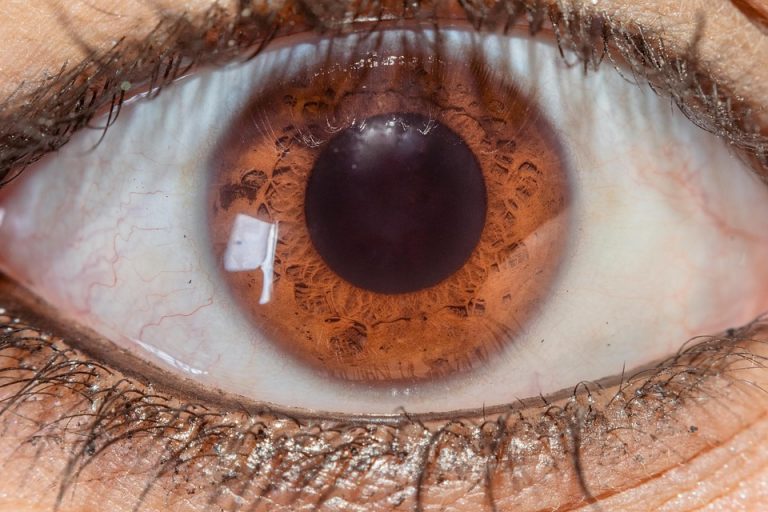
Green tea has long been celebrated for its myriad health benefits. Among its many virtues, enhancing eye vision through antioxidant properties stands out. As the eyes age or are subjected to environmental stressors, they can suffer from various conditions, including macular degeneration and cataracts. These issues stem from oxidative stress, which damages cells and tissues. Fortunately, green tea provides a powerful ally in combating these challenges, thanks to its rich concentration of antioxidants.
The antioxidants found in green tea, particularly catechins, play a crucial role in protecting the eyes. These compounds work to neutralize free radicals that can wreak havoc on cellular structures. By incorporating green tea into your daily routine, you can potentially enhance your eye health while also enjoying the soothing ritual of tea drinking. The journey towards better vision can be both enjoyable and beneficial as you sip your way to improved ocular wellness.
Understanding how to harness the benefits of green tea for eye vision is essential. Whether you are looking to prevent age-related eye diseases or simply want to maintain optimal eye health, knowing the right approach can make a significant difference. This guide provides practical insights and actionable tips to maximize the benefits of green tea, ensuring you can make informed choices about its incorporation into your lifestyle.
In the following sections, you will discover practical applications, common mistakes to avoid, the science behind green tea’s benefits, and essential considerations when selecting products. This comprehensive overview will empower you to take proactive steps toward enhancing your eye health through the simple yet effective practice of enjoying green tea regularly.
Contents
How to Use Green Tea for Real Results
- Best Form: Loose leaf or high-quality tea bags
- Best Time: Morning or early afternoon
- Expected Result: Enhanced eye protection and improved vision clarity
For Daily Protection
The preparation for daily green tea consumption is straightforward. Choose high-quality loose leaf green tea or tea bags. You will need fresh, filtered water and a kettle. Measure approximately one teaspoon of loose leaf tea or one tea bag per cup.
Begin by boiling the water. Once it reaches a rolling boil, let it cool for about 5 minutes to reach an ideal temperature of around 175 to 185 degrees Fahrenheit. This temperature helps preserve the delicate flavors and antioxidants in the tea. Pour the water over the leaves or tea bag in your cup and steep for 2 to 3 minutes.
As you sip your green tea, you may notice a warm sensation. The flavors can range from grassy to slightly sweet. The experience is soothing, and the antioxidants begin working in your body almost immediately. You may feel a sense of clarity and focus as the tea hydrates and nourishes your system.
Pro Tip: For added benefits, consider adding a slice of lemon to enhance vitamin C absorption.
Targeting Fatigue
When fatigue sets in, a refreshing green tea can provide a much-needed boost. Start with high-quality green tea and fresh water. Gather your ingredients and a kettle for boiling.
Boil the water and allow it to cool slightly. Measure your green tea as before. Pour the hot water over the tea leaves or bag and steep for about 3 minutes. This longer steeping time extracts more catechins, which are beneficial for reducing fatigue and promoting eye health.
Once ready, the green tea will have a bright hue and a rich aroma. As you drink, the warmth spreads through your body, leaving you feeling revitalized. The catechins work to reduce oxidative stress, which can contribute to feelings of tiredness.
Pro Tip: Pair your tea with a light snack rich in antioxidants, such as blueberries, to amplify the benefits.
The Nighttime Routine
Incorporating green tea into your nighttime routine can set a calming tone for the evening. Choose a decaffeinated green tea option to ensure it won’t interfere with your sleep. Gather your tea and water, along with a cozy mug.
Prepare the tea by boiling water and allowing it to cool to the right temperature. Use about one teaspoon of tea leaves or one tea bag. Steep for 2 to 3 minutes, enjoying the calming aroma as the tea brews.
As you sip your tea, you will likely experience a sense of relaxation. The warmth of the tea can soothe your mind and body, preparing you for a restful night. The antioxidants continue to work, offering protective benefits for your eyes, even as you wind down.
Pro Tip: Create a calming environment with soft lighting to enhance your tea-drinking experience.
Common Errors to Avoid
Using Low Quality Tea Leaves
Opting for low-quality green tea can significantly diminish the benefits you receive. Many lower-grade teas are processed in ways that strip away vital antioxidants. These inferior products often contain filler ingredients that provide little to no health benefits.
To ensure you are getting the most from your green tea, always choose high-quality leaves. Look for brands that source their tea responsibly and provide information about their processing methods. Investing in quality tea can lead to better eye health outcomes and a more enjoyable drinking experience.
Ignoring Preparation Guidelines
Many individuals overlook the importance of proper brewing techniques. Boiling water directly over green tea can scorch the leaves, leading to a bitter taste and reduced antioxidant efficacy.
Understanding the ideal brewing temperature and steeping time is crucial. Aim for a temperature between 175 and 185 degrees Fahrenheit, and steep for 2 to 3 minutes. This careful preparation maximizes the extraction of beneficial compounds, enhancing the protective effects on your eyes.
Overconsuming Green Tea
While green tea offers many health benefits, moderation is key. Excessive consumption can lead to side effects such as insomnia or digestive discomfort.
Stick to a moderate intake of 2 to 3 cups per day. This amount provides ample antioxidants without overwhelming your system. Maintaining a balanced approach ensures you enjoy the benefits without adverse effects, promoting overall wellness and eye health.
The Mechanism Behind the Benefits
Understanding the biological mechanisms at play provides insight into how green tea protects eye health. The antioxidants in green tea, particularly catechins, combat oxidative stress by neutralizing free radicals. These free radicals can damage cellular structures in the eyes, leading to conditions such as macular degeneration.
Among the key compounds in green tea is epigallocatechin gallate, or EGCG. This potent antioxidant has been extensively studied for its protective effects on various tissues, including the eyes. EGCG has been shown to inhibit oxidative damage and promote cellular health, making it a vital component in maintaining vision.
Clinical studies support these claims, indicating that regular consumption of green tea can have protective effects against eye diseases. Research has highlighted the role of antioxidants in reducing the risk of age-related eye conditions. For more in-depth information, refer to this PubMed search on green tea and eye health.
Choosing the Right Product
– **Potency:** Look for teas with a high concentration of catechins, as this indicates greater antioxidant potential. Higher potency can lead to more significant health benefits for your eyes.
– **Purity:** Select products that are free from additives and fillers. Pure green tea ensures you receive maximum health benefits without unwanted substances.
– **Form:** Loose leaf tea often contains higher quality leaves compared to tea bags. Opt for loose leaf when possible to enhance flavor and health benefits.
Benefits vs Risks
| The Benefits | Potential Downsides |
|---|---|
| Rich in antioxidants that support eye health | Excessive consumption may lead to insomnia |
| May reduce the risk of age-related eye diseases | Low-quality products can diminish health benefits |
| Offers a soothing, enjoyable drinking experience | Can cause digestive discomfort in some individuals |
Habits for Enhanced Benefits
Incorporating eye exercises into your daily routine can complement the benefits of green tea. Simple activities like focusing on distant objects can help maintain eye flexibility and strength.
Limiting screen time is another beneficial habit. Frequent breaks from screens can reduce eye strain and enhance overall eye health.
Who Should Avoid This?
– Individuals with caffeine sensitivity should limit intake.
– Pregnant or breastfeeding women should consult a healthcare provider.
– Those on certain medications may need to avoid green tea due to interactions.
Common Questions
How much green tea should I drink for eye health?
Consuming 2 to 3 cups per day is generally recommended for optimal benefits.
Can green tea help with dry eyes?
While it may not directly treat dry eyes, its hydrating properties can support overall eye health.
Is decaffeinated green tea as effective?
Yes, decaffeinated green tea retains many beneficial compounds, though caffeine may have additional benefits.
How long does it take to see benefits?
Regular consumption over weeks to months typically yields noticeable improvements in eye health.
The Bottom Line
Green tea offers substantial benefits for eye health through its antioxidant properties.
- The Truth: Quality matters; low-grade teas may not provide the desired benefits.
- The Strategy: Enjoy 2 to 3 cups daily, focusing on brewing quality.
- The Next Step: Pair green tea with eye exercises for enhanced results.
Get Your FREE Natural Health Guide!
Subscribe now and receive our exclusive ebook packed with natural health tips, practical wellness advice, and easy lifestyle changes, delivered straight to your inbox.