
Contents
Goldenrod tea has emerged as a popular herbal remedy, particularly for those looking to support their bladder health. Many individuals struggle with urinary discomfort, frequent urination, or bladder infections. These issues can lead to a diminished quality of life, affecting daily activities and overall well-being. The search for natural solutions often leads people to explore various herbal teas, and goldenrod stands out due to its historical use in traditional medicine.
This herb, scientifically known as Solidago, is rich in antioxidants and has been traditionally used to support urinary tract health. Drinking goldenrod tea may provide a gentle yet effective way to address bladder-related concerns. The soothing properties of this tea can help alleviate discomfort while promoting a healthier urinary routine. Understanding how to properly prepare and consume goldenrod tea can make a significant difference in its effectiveness.
In addition to its benefits for bladder health, goldenrod tea also offers anti-inflammatory and diuretic properties. These qualities can help flush out toxins and support overall kidney function. It’s essential to integrate this herbal remedy into a holistic approach to wellness, including proper hydration, a balanced diet, and stress management techniques.
This guide aims to provide you with a comprehensive understanding of goldenrod tea, its benefits for bladder health, and practical applications for incorporating it into your daily routine. By the end, you will be equipped with the knowledge to make informed decisions about your health and well-being.
How to Use Goldenrod Tea for Real Results
- Best Form: Loose leaf or tea bags
- Best Time: Morning or afternoon
- Expected Result: Improved bladder comfort and function
For Daily Protection
The preparation for daily goldenrod tea involves simple ingredients. You will need dried goldenrod leaves, water, and optionally, honey for sweetness. Begin by boiling about 8 ounces of water. Measure out one to two teaspoons of dried goldenrod leaves. If you prefer a sweeter taste, have honey on hand.
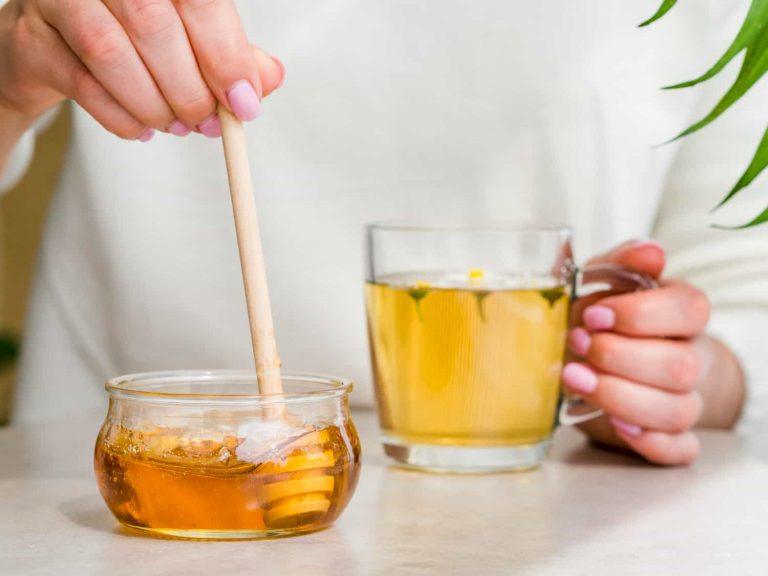
To prepare the tea, place the goldenrod leaves in a tea infuser or directly into the cup. Pour the boiling water over the leaves and let it steep for about 10 to 15 minutes. If using honey, add it to your cup after steeping and stir well.
After sipping this warm infusion, you will likely feel a gentle warmth spreading through your body. The soothing properties may create a calming effect, helping to ease any tension in the bladder area. Expect this sensation to last for about an hour, contributing to your overall comfort.
Pro Tip: Experiment with steeping times to find your preferred flavor intensity.
Targeting Acute Pain
For those moments when bladder discomfort arises, you can create a more concentrated version of goldenrod tea. Gather the same ingredients, but increase the amount of dried goldenrod to three teaspoons. Start by boiling 12 ounces of water to ensure you have enough liquid for this stronger brew.
Once the water reaches a rolling boil, add the dried goldenrod directly into the water. Allow it to steep for 15 to 20 minutes. This longer steeping time helps extract more of the beneficial compounds from the herb. After steeping, strain the tea into your cup and allow it to cool slightly before drinking.
As you consume this concentrated tea, you may notice a tingling sensation in your bladder area. This could signal the tea’s diuretic properties kicking in, helping to flush out any irritants. The relief from discomfort may be felt within 30 minutes, providing quick support when needed.
Pro Tip: Keep a batch of concentrated tea ready in the fridge for quick access during flare-ups.
The Nighttime Routine
Incorporating goldenrod tea into your nighttime routine can enhance relaxation before bed. Prepare your tea using the same ingredients, but consider adding chamomile or lavender for additional calming effects. Boil 8 ounces of water and mix in one teaspoon of dried goldenrod, one teaspoon of chamomile, and one teaspoon of lavender.
Allow the mixture to steep for 10 minutes, ensuring that the lid is on to preserve the essential oils. After steeping, strain the tea and enjoy it about 30 minutes before bedtime.
As you sip this soothing blend, you may feel a gentle relaxation enveloping your body. The calming scent of chamomile and lavender can help ease your mind, while the goldenrod supports bladder health. This tranquil experience can promote a restful night’s sleep, lasting well into the night.
Pro Tip: Create a calming bedtime ritual by dimming lights and practicing deep breathing while enjoying your tea.
Avoiding Common Errors
Using Low-Quality Herbs
One prevalent mistake when making goldenrod tea is opting for low-quality herbs. Not all herbal products are created equal. Poor-quality herbs may lack the necessary compounds that provide health benefits. This can lead to ineffective results and wasted efforts.
To ensure you receive the maximum benefits from goldenrod tea, source your herbs from reputable suppliers. Look for organic, sustainably harvested options. Check for third-party testing or certifications that confirm the quality of the herbs. This diligence will enhance your experience and results.
Neglecting Proper Brewing Time
Another common error is not allowing the tea to steep long enough. Steeping goldenrod tea for too short a period can result in a weak infusion that does not extract the beneficial compounds effectively.
To avoid this, adhere to the recommended steeping times. Generally, steeping for 10 to 20 minutes will yield the best results. Use a timer if necessary to ensure you do not rush the process. A well-brewed cup will provide the soothing effects you seek.
Overconsumption
Overconsumption of goldenrod tea can lead to potential side effects. While it is a natural remedy, excessive intake may cause gastrointestinal discomfort or other adverse effects.
Moderation is key. Stick to the recommended dosage of one to three cups per day. Listen to your body and adjust your intake based on how you feel. If you experience any negative symptoms, reduce the amount or consult with a healthcare provider.
Understanding the Mechanism
Goldenrod tea operates through several biological mechanisms that support bladder health. Its anti-inflammatory properties can help reduce irritation and swelling in the urinary tract. This is crucial, as inflammation is often a contributing factor to bladder discomfort.
The key compound in goldenrod is flavonoids, particularly quercetin. This antioxidant has been shown to have anti-inflammatory and diuretic effects. Flavonoids help protect the bladder lining and prevent the growth of harmful bacteria, contributing to overall urinary tract health.
Clinical evidence supports the use of goldenrod for urinary health. Studies have demonstrated its effectiveness in alleviating symptoms associated with urinary tract infections and bladder inflammation. For further reading on the scientific basis, you can explore this link: PubMed Search on Goldenrod and Bladder Health.
Choosing the Right Product
- Potency: Ensure the product has a sufficient concentration of active ingredients. This matters because higher potency equates to more benefits.
- Purity: Look for products that are free from additives and fillers. Pure ingredients are essential for maximizing health benefits.
- Form: Decide between loose leaf or tea bags based on your preference. Loose leaf often provides a fresher taste and higher quality.
Benefits vs Risks
| The Benefits | Potential Downsides |
|---|---|
| Supports bladder health and function | Possible gastrointestinal discomfort with overconsumption |
| Contains anti-inflammatory properties | May interact with certain medications |
| Natural diuretic effect | Quality can vary among products |
Habits to Enhance Your Experience
Pairing goldenrod tea with a balanced diet rich in fruits and vegetables can amplify its benefits. Hydration is also crucial; drinking plenty of water aids in flushing out toxins and supports kidney function.
Incorporating regular exercise into your routine can further enhance bladder health. Physical activity promotes circulation and can help reduce urinary issues.
Who Should Avoid This?
– Pregnant or breastfeeding individuals
– Those with known allergies to ragweed or related plants
– Individuals on anticoagulant medication
Common Questions
How often can I drink goldenrod tea?
It is generally safe to consume one to three cups per day, depending on your needs and tolerance.
Can goldenrod tea help with urinary tract infections?
Goldenrod tea may support urinary tract health and alleviate some symptoms, but it should not replace medical treatment for infections.
Is goldenrod tea safe for children?
Consult with a healthcare provider before giving goldenrod tea to children, as their needs may differ.
What are the side effects of goldenrod tea?
Possible side effects include gastrointestinal discomfort if consumed in excessive amounts. Always start with a moderate intake.
Final Thoughts
Integrating goldenrod tea into your wellness routine can be a beneficial step towards better bladder health.
- The Truth: While goldenrod tea offers many advantages, it may not be suitable for everyone.
- The Strategy: For best results, drink it consistently during the day.
- The Next Step: Consider keeping a hydration schedule to complement your tea consumption.
Get Your FREE Natural Health Guide!
Subscribe now and receive our exclusive ebook packed with natural health tips, practical wellness advice, and easy lifestyle changes, delivered straight to your inbox.