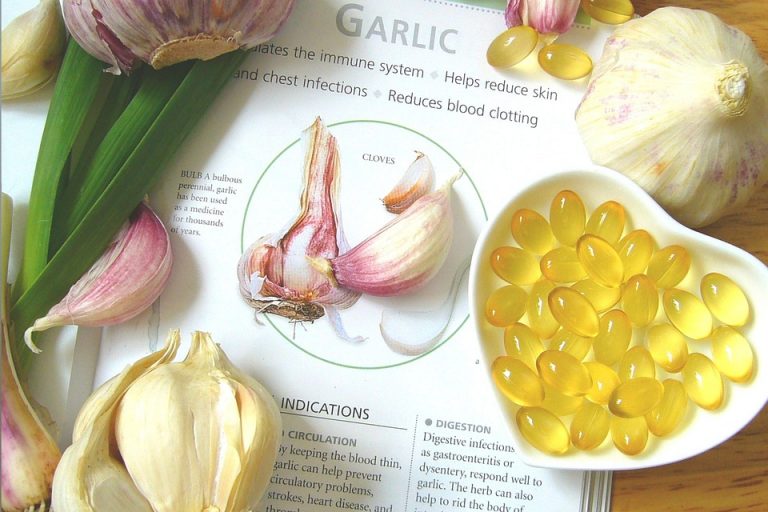
Ginger has long been celebrated for its myriad health benefits, particularly in traditional medicine. One area gaining increasing attention is its potential role in supporting eye health and enhancing circulation. As individuals age or face lifestyle challenges, the importance of maintaining optimal circulation and eye function becomes critical. Eye health deteriorates due to various factors including oxidative stress and poor blood flow, which can lead to conditions like glaucoma and macular degeneration. Understanding how ginger can address these issues may empower individuals to take proactive steps in their wellness journey.


The active compounds in ginger, particularly gingerol, possess potent anti-inflammatory and antioxidant properties. These benefits extend beyond mere wellness; they play crucial roles in protecting the eyes from oxidative damage and promoting healthy blood flow. By incorporating ginger into one’s diet or wellness routine, individuals can potentially mitigate risks associated with age-related eye diseases and circulatory problems. This guide delves into the practical applications of ginger, its underlying science, common pitfalls to avoid, and lifestyle enhancements that can further bolster its effects.
In a world where many are seeking natural alternatives to pharmaceuticals, ginger emerges as a versatile ally. With its rich history and contemporary scientific backing, it offers a promising avenue for those looking to improve their eye health and circulation. This guide will explore how to effectively use ginger, the scientific mechanisms at play, and the best practices to maximize its benefits. By understanding the holistic impact of ginger, readers can make informed decisions that align with their health goals.
Exploring the multifaceted benefits of ginger not only informs dietary choices but also encourages a comprehensive approach to health. The following sections will provide practical insights, scientific evidence, and helpful tips for integrating ginger into daily life, fostering a proactive stance toward maintaining eye and circulatory health.
Contents
How to Use Ginger for Real Results
- Best Form: Fresh ginger root or ginger tea
- Best Time: Morning or early afternoon
- Expected Result: Improved circulation and reduced oxidative stress
For Daily Protection
The Prep: Start with fresh ginger root. You will need about a one-inch piece, peeled and finely grated. Gather a cup of hot water and a teaspoon of honey for added flavor and health benefits. You can also include a slice of lemon for additional vitamin C.
The Action: Boil water and pour it over the grated ginger in a cup. Let it steep for about 10 minutes. Strain the mixture to remove the ginger pieces, then stir in honey and lemon if desired. This tea can be consumed each morning to kickstart your circulation and provide antioxidant support.
The Feeling: Upon sipping the ginger tea, you may experience a warming sensation as it spreads through your body. This invigorating feeling can last for about an hour, providing a natural energy boost while promoting circulation.
Pro Tip: Prepare a larger batch and store it in the refrigerator for easy access throughout the week.
Targeting Acute Pain
The Prep: For this method, you will need two tablespoons of ginger paste made from fresh ginger and one tablespoon of olive oil. Have a clean cloth ready for application.
The Action: Mix the ginger paste with olive oil to create a soothing balm. Apply this mixture directly to the area experiencing discomfort, such as joints or muscles affected by inflammation. Leave it on for at least 30 minutes before rinsing it off with warm water.
The Feeling: You may feel a slight tingling sensation as the ginger penetrates the skin, which can be soothing. The warmth from the ginger balm can help alleviate pain and reduce inflammation for several hours after application.
Pro Tip: For enhanced effects, consider adding turmeric to the ginger paste for additional anti-inflammatory benefits.
The Nighttime Routine
The Prep: Gather half a teaspoon of ground ginger, a cup of warm milk (dairy or plant-based), and a dash of cinnamon for flavor. This concoction not only aids circulation but also promotes relaxation.
The Action: Mix the ground ginger and cinnamon into the warm milk. Stir well and drink this blend about an hour before bedtime. This routine can help soothe the body and prepare it for restful sleep while supporting circulation.
The Feeling: As you sip the warm milk, a comforting warmth envelops you. The calming effects can last throughout the night, contributing to improved overall circulation and a more restful sleep.
Pro Tip: Experiment with different types of milk or sweeteners to find your preferred taste.
Common Pitfalls to Avoid
Using Low Quality Herbs
Many individuals overlook the importance of quality when selecting ginger. Low-quality ginger may lack the active compounds that provide health benefits. This can result in ineffective results and a waste of time and resources.
Investing in high-quality, organic ginger ensures that you receive the maximum benefits. Look for ginger that is firm and free of blemishes. Fresh ginger root is ideal, but if using powdered ginger, opt for reputable brands that provide transparency in sourcing.
Neglecting Dosage
Overconsumption of ginger can lead to gastrointestinal discomfort. It is crucial to adhere to recommended dosages to reap the benefits without adverse effects. Many people mistakenly think that more is better, which can lead to nausea or digestive issues.
Stick to a daily intake of about 2 to 4 grams of ginger, whether in tea or food. Monitor how your body responds and adjust accordingly to find the right balance for your needs.
Ignoring Interactions with Medications
Ginger can interact with certain medications, especially blood thinners and medications for diabetes. Failing to acknowledge these interactions can lead to complications that may impact your health negatively.
If you are taking medications, it is advisable to consult with a healthcare professional before adding ginger to your routine. This precaution ensures that you can safely enjoy its benefits without risking adverse effects.
The Science Behind Ginger’s Benefits
The biological mechanisms through which ginger supports eye health and circulation are primarily linked to its anti-inflammatory and antioxidant properties. Gingerol, the main bioactive compound in ginger, has been shown to inhibit inflammatory pathways and combat oxidative stress. This action can significantly reduce the risk of chronic diseases, including those affecting the eyes and blood vessels.
The key compound in ginger, gingerol, exhibits strong antioxidant capabilities. These antioxidants help neutralize free radicals in the body, thereby protecting cells from damage. This protection extends to retinal cells in the eyes, which are particularly vulnerable to oxidative stress. By safeguarding these cells, ginger may help in preventing conditions like macular degeneration.
Clinical evidence supports the beneficial effects of ginger on circulation and overall health. A systematic review published in the journal PubMed highlights ginger’s potential in improving blood circulation and reducing inflammation. For more in-depth information, you can explore the research findings here: Ginger and Circulation.
Choosing the Right Product
- Potency: Higher potency ensures that you receive adequate amounts of active ingredients. Look for products with standardized gingerol content.
- Purity: Ensuring that the product is free from contaminants and additives is crucial. Pure ginger products provide the best health benefits.
- Form: Choose between fresh, powdered, or extracted forms based on personal preference and intended use. Fresh ginger offers the most potent benefits.
Benefits vs Risks
| The Benefits | Potential Downsides |
|---|---|
| Supports eye health through antioxidant properties | May cause digestive discomfort if consumed excessively |
| Enhances circulation and reduces inflammation | Can interact with certain medications |
| Easy to incorporate into daily routines | Quality may vary between products |
Habits to Enhance Benefits
Incorporating regular physical activity can significantly boost circulation. Engaging in exercises such as walking or yoga helps promote blood flow, enhancing the effects of ginger.
Maintaining a balanced diet rich in fruits and vegetables will complement ginger’s benefits. Foods high in antioxidants, such as berries and leafy greens, work in synergy with ginger to support eye health and overall wellness.
Who Should Avoid This?
– Individuals on blood-thinning medications
– Pregnant women without medical supervision
– Those with gallbladder issues
– People with specific allergies to ginger or related family plants
Common Questions
Can ginger improve eyesight?
Ginger may help protect retinal cells from oxidative stress, potentially supporting overall eye health.
How often should I consume ginger?
Daily consumption of 2 to 4 grams is generally recommended for optimal benefits.
Are there any side effects of ginger?
Some people may experience gastrointestinal discomfort or allergic reactions when consuming ginger.
Is ginger safe for everyone?
While ginger is generally safe, individuals on medications or with certain medical conditions should consult a healthcare professional before use.
The Bottom Line
Incorporating ginger into your routine can provide significant benefits for eye health and circulation.
- The Truth: While ginger offers many benefits, it is not a substitute for medical treatment.
- The Strategy: The best time to use ginger is in the morning or early afternoon for optimal effects.
- The Next Step: Consider adding regular exercise to enhance ginger’s circulation-boosting properties.
Get Your FREE Natural Health Guide!
Subscribe now and receive our exclusive ebook packed with natural health tips, practical wellness advice, and easy lifestyle changes, delivered straight to your inbox.