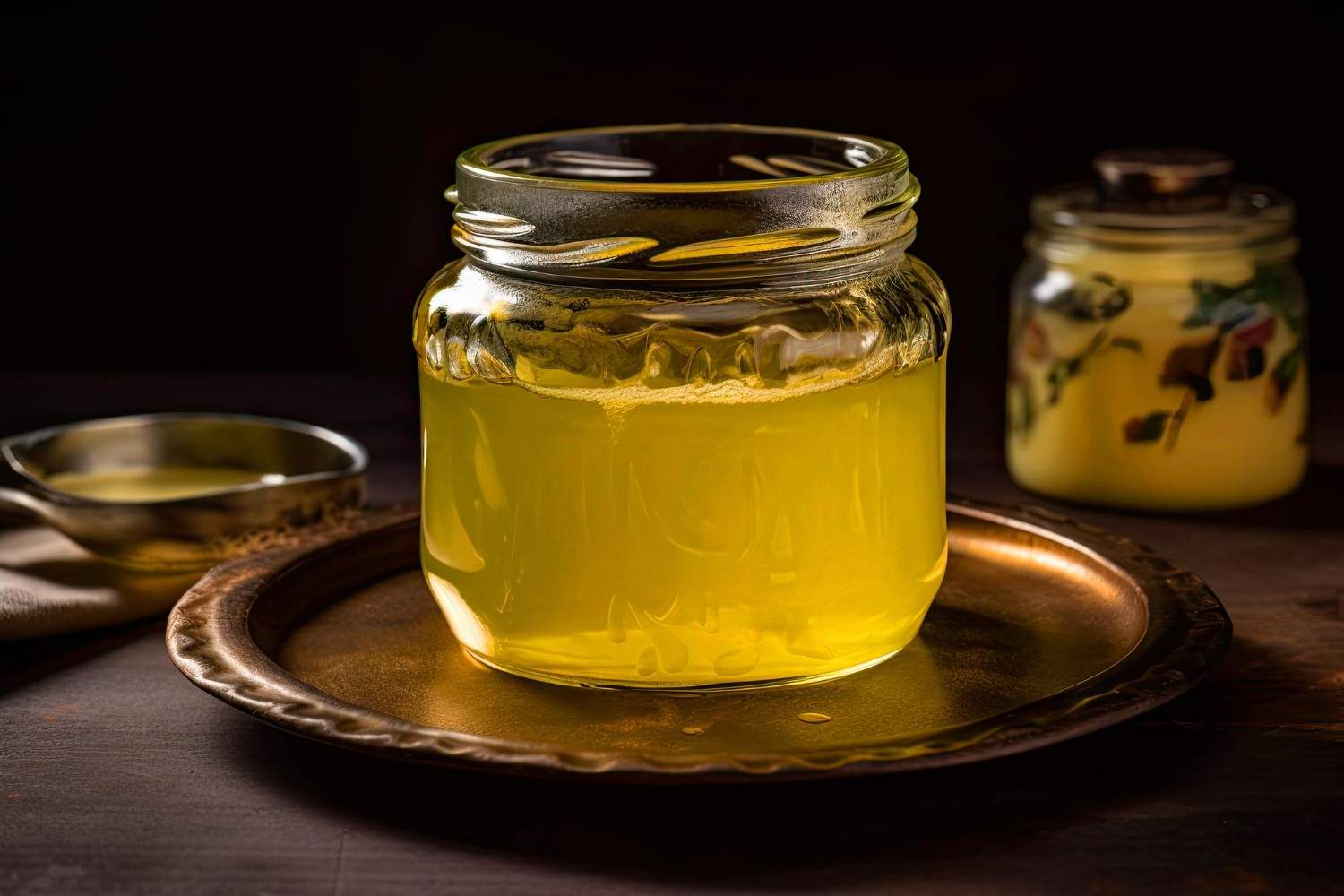

Ghee stands as a culinary delight, rich in flavor and texture, often celebrated in various cuisines. For those embracing a ketogenic lifestyle, ghee can be a powerful ally. This clarified butter, known for its high smoke point and unique nutritional profile, can enhance dishes while supporting the goals of a low-carb diet. Many individuals struggle with the transition to keto, especially when it comes to finding satisfying fats that also contribute to overall health. Ghee offers a solution that is both flavorful and versatile, making it an essential addition to your kitchen.

The shift to a ketogenic lifestyle often involves overcoming the challenges of maintaining energy levels and managing cravings. Traditional fats, like vegetable oils and margarine, may not provide the same benefits as ghee. This clarified butter not only adds a rich, nutty taste to meals but also offers a source of healthy fats that support ketosis. Understanding the unique properties of ghee can empower individuals to make informed dietary choices that align with their health goals.
Incorporating ghee into your meals can be straightforward. Its high smoke point means it can be used for frying, sautéing, or even as a base for sauces. This versatility allows for creativity in the kitchen, ensuring that meals remain exciting and satisfying. With its rich flavor and health benefits, ghee can help elevate the keto experience, making the transition smoother and more enjoyable.
As we delve deeper into the practical applications of ghee, it becomes evident that this ingredient is more than just a cooking fat. It serves as a catalyst for flavor and nutrition, enhancing the overall meal experience while supporting the body’s needs on a ketogenic diet.
Contents
How to Use Ghee for Real Results
- Best Form: Organic grass-fed ghee
- Best Time: During cooking or as a finishing touch
- Expected Result: Enhanced flavor and improved satiety
For Daily Protection
The Prep: Start with high-quality organic grass-fed ghee. Gather your favorite vegetables, such as spinach and bell peppers, along with spices like turmeric and cumin. A pinch of salt enhances flavor, while a small amount of garlic can elevate the dish further. Aim to have all ingredients prepped and ready for a quick cooking session.
The Action: Heat a tablespoon of ghee in a skillet over medium heat. Add minced garlic and sauté until fragrant. Toss in your chopped vegetables and season them with turmeric, cumin, and salt. Stir-fry until the vegetables are tender but still vibrant in color. The ghee will impart a delicious nutty flavor while ensuring the vegetables do not stick to the pan.
The Feeling: As you take your first bite, the warmth of the ghee envelops the vegetables, creating a rich and satisfying experience. The flavors meld beautifully, with a lingering nuttiness that enhances each mouthful. Expect a sense of fullness that lasts well beyond the meal, keeping cravings at bay.
Pro Tip: Experiment with different spices to find combinations that excite your palate.
Enhancing Your Morning Routine
The Prep: Gather organic coffee, a tablespoon of ghee, and a sweetener of choice, like stevia or erythritol. You will need a blender or frother to emulsify the ingredients properly.
The Action: Brew your coffee as usual. In a blender, combine the hot coffee with ghee and your sweetener. Blend on high for 30 seconds until frothy. This process emulsifies the fat, creating a creamy texture that is both satisfying and energizing. Pour into your favorite mug and enjoy.
The Feeling: The first sip delivers a rich, buttery flavor that is incredibly satisfying. The creamy texture coats your mouth, providing a sense of indulgence. The energy boost from the caffeine combined with the sustained fullness from the ghee can keep you focused and energized throughout the morning.
Pro Tip: Adding a pinch of cinnamon can enhance flavor and provide additional health benefits.
Perfecting Your Evening Meal
The Prep: Choose a protein source, such as chicken or salmon, and gather your favorite herbs and spices, including rosemary and lemon zest. You will also need ghee to cook the protein.
The Action: Preheat your oven to 400°F. Melt a tablespoon of ghee and brush it over the protein. Season generously with herbs, spices, and a sprinkle of salt. Place the protein on a baking sheet lined with parchment paper. Roast in the oven until cooked through, ensuring the ghee keeps the meat moist and flavorful.
The Feeling: As you savor your meal, the ghee enriches the protein, creating a succulent and flavorful dish. The herbs and spices blend harmoniously, while the ghee adds depth. Each bite feels nourishing, and the satisfaction extends well into the evening.
Pro Tip: Pair your protein with a side of roasted vegetables drizzled with ghee for an extra boost of flavor.
Avoiding Common Pitfalls
Overlooking Quality
Choosing low-quality ghee can undermine its benefits. Many products on the market are made from conventionally raised cows and may contain additives. These inferior options lack the rich flavor and nutritional profile associated with high-quality ghee. Opt for organic, grass-fed varieties to ensure you receive the best possible product.
Quality ghee contains beneficial nutrients and healthy fats that support your keto lifestyle. By investing in high-quality ghee, you enhance both the flavor of your dishes and the health benefits you derive from them. Make it a habit to read labels and choose products that prioritize quality ingredients.
Neglecting Portion Control
While ghee is a healthy fat, it is still calorie-dense. Overconsumption can lead to an excess of calories, which may hinder weight loss efforts. It is essential to practice moderation and be mindful of portion sizes when incorporating ghee into your meals.
Start with one tablespoon per serving and adjust based on your dietary needs and goals. Keeping track of your intake can help you maintain balance while enjoying the delicious flavor that ghee offers. Being aware of how much you use ensures you reap the benefits without compromising your progress.
Using Ghee as a Sole Fat Source
Relying exclusively on ghee for all your fat needs can limit the diversity of nutrients you receive. While ghee is an excellent source of healthy fats, incorporating a variety of fats is crucial for a balanced diet. Avocados, olive oil, nuts, and seeds provide different types of fats and essential nutrients.
Diversifying your fat sources ensures you obtain a broad spectrum of nutrients. Each type of fat has unique benefits, and incorporating a variety can support overall health and well-being. Embrace the versatility of ghee while also enjoying other healthy fats in your meals.
Understanding the Mechanism
The biological mechanism behind ghee’s benefits lies in its unique composition. Ghee is rich in short-chain and medium-chain fatty acids, which the body metabolizes differently than long-chain fatty acids. These fats can provide immediate energy, supporting ketosis and enhancing metabolic efficiency.
One key compound found in ghee is butyrate, a short-chain fatty acid linked to various health benefits. Butyrate supports gut health by nourishing the cells lining the intestines and has anti-inflammatory properties. This compound can also play a role in reducing cravings and improving satiety, making it an excellent addition to a ketogenic diet.
Clinical evidence supports the benefits of ghee, particularly regarding its beneficial fatty acids. Research indicates that incorporating ghee into a low-carb diet can enhance fat metabolism and support weight management. For more in-depth studies, visit PubMed.
Selecting the Best Ghee
- Potency: Look for ghee that is rich in nutrients and free from additives. A potent product enhances flavor and health benefits.
- Purity: Choose ghee made from organic, grass-fed cows. This ensures a higher quality fat that supports your dietary goals.
- Form: Consider the form of ghee you prefer, such as liquid or solid. This can affect how you use it in cooking and meal preparation.
Weighing the Benefits and Risks
| The Benefits | Potential Downsides |
|---|---|
| Rich in healthy fats | Calorie dense, which may hinder weight loss if overconsumed |
| Supports ketosis | May cause digestive discomfort in some individuals |
| Enhances flavor of dishes | Some brands may contain additives or be of low quality |
Incorporating Lifestyle Changes
Regular exercise complements the benefits of a ketogenic diet and ghee consumption. Engaging in physical activity can enhance fat oxidation, making the most of the healthy fats you consume. A combination of strength training and cardiovascular activities can help optimize your metabolic rate.
Mindful eating practices can further enhance your experience. Taking the time to appreciate flavors and textures can lead to greater satisfaction and reduced cravings. Incorporating ghee into meals can be a part of this mindful approach, allowing you to savor each bite.
Who Should Avoid This?
– Individuals with a dairy allergy or intolerance should avoid ghee, as it is derived from milk.
– Those with specific dietary restrictions may need to consider alternatives.
– Individuals on certain medications should consult with a healthcare provider before making significant dietary changes.
Common Questions
Can I use ghee in baking?
Absolutely. Ghee can replace butter or oil in baking recipes, adding a rich flavor and moisture to baked goods.
Is ghee suitable for lactose-intolerant individuals?
Yes. Ghee is typically low in lactose, making it suitable for many lactose-intolerant individuals. However, sensitivity varies, so it is best to test your tolerance.
How should I store ghee?
Store ghee in an airtight container in a cool, dark place. It can last for several months without refrigeration, but refrigeration can extend its shelf life.
Can I use ghee for frying?
Yes. Ghee has a high smoke point, making it suitable for frying without breaking down and producing harmful compounds.
The Final Word
Ghee is a flavorful and nutritious addition to a ketogenic lifestyle.
- The Truth: Ghee is not a magic solution but a valuable tool in your dietary arsenal.
- The Strategy: Use ghee during cooking and as a finishing touch to maximize its benefits.
- The Next Step: Incorporate ghee into your meal prep for easy and satisfying meals.
Get Your FREE Natural Health Guide!
Subscribe now and receive our exclusive ebook packed with natural health tips, practical wellness advice, and easy lifestyle changes, delivered straight to your inbox.