
Gentle yoga poses can play a significant role in supporting pelvic floor health. Many individuals experience pelvic floor dysfunction, which can lead to discomfort, incontinence, and even sexual health issues. The pelvic floor muscles are essential for various bodily functions, including bladder and bowel control, as well as supporting pelvic organs. When these muscles become weak or overly tight, it can result in a range of problems that affect daily life and overall well-being.


Integrating gentle yoga into your routine can help strengthen and relax these muscles. Yoga encourages mindfulness and body awareness, which are crucial for understanding and nurturing your pelvic floor. Through specific poses, you can improve circulation, enhance flexibility, and promote relaxation. This practice not only targets the pelvic floor muscles but also contributes to overall physical and mental health.
In this guide, you will discover how to harness the power of gentle yoga poses specifically tailored to support pelvic floor health. You will learn practical applications, common mistakes to avoid, and the scientific evidence backing these practices. Whether you are new to yoga or looking to deepen your practice, this guide aims to provide you with the tools you need for effective pelvic floor support.
Embracing a gentle yoga routine can empower you to take charge of your pelvic health. By understanding the connection between your body and mind, you will find a holistic approach to wellness that can lead to lasting benefits. Let’s explore how to use these gentle yoga poses for real results.
Contents
How to Use Gentle Yoga Poses for Real Results
- Best Form: Gentle yoga practice.
- Best Time: Morning or evening sessions.
- Expected Result: Improved pelvic floor strength and relaxation.
For Daily Protection
The first step in your daily routine is setting up a comfortable space. Choose a quiet area where you can practice without distractions. Gather a yoga mat, cushions for support, and perhaps a blanket for additional comfort. Ensure you wear loose-fitting clothing that allows for easy movement.
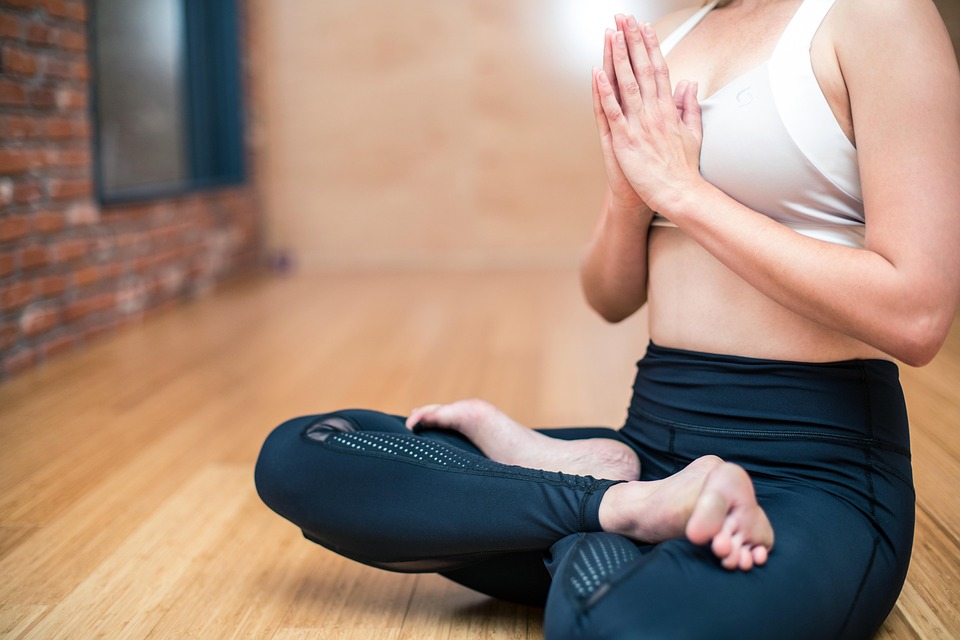
Begin your practice with deep breathing. Sit cross-legged or in a comfortable position. Inhale deeply through your nose, allowing your abdomen to expand. Exhale slowly through your mouth. Repeat this for five breaths to center yourself. Then, transition into the Cat-Cow pose to gently warm up your spine and engage your pelvic floor muscles.
As you flow between Cat and Cow, focus on the sensations in your lower abdomen and pelvic area. You may feel a gentle activation of your pelvic floor muscles. Keep your movements slow and deliberate. After several cycles, you might notice a sense of warmth and relaxation in your pelvic region, lasting for several minutes after your practice.
Pro Tip: Incorporate this routine into your morning or evening schedule for consistent benefits.
Targeting Acute Pain
When experiencing acute pelvic pain, creating an environment that promotes relaxation is essential. Dim the lights and play soft music if you find it soothing. Have a cushion or pillow on hand to support your body during the practice.
Start with the Child’s Pose. Kneel on your mat, bringing your big toes together and sitting on your heels. Extend your arms forward and lower your torso onto your thighs. Focus on deep breathing while holding this position. You may feel a gentle stretch in your lower back and pelvic area.
After holding Child’s Pose for a few minutes, transition into the Supine Bound Angle Pose. Lie on your back and bring the soles of your feet together, allowing your knees to fall outward. Place your hands on your abdomen and breathe deeply, feeling your pelvic floor relax with each exhale. The sensations may include a soothing release of tension.
Pro Tip: Use a warm compress on the abdomen while practicing to enhance relaxation.
The Nighttime Routine
Setting a calming atmosphere is crucial for your nighttime yoga routine. Dim the lights and consider using essential oils like lavender for added relaxation. Have your mat, a blanket, and any props you may need ready.
Begin with the Legs-Up-the-Wall pose. Sit next to a wall and lie back, extending your legs up against the wall. This gentle inversion helps promote circulation and relaxation in the pelvic area. Hold this position for several minutes, focusing on your breath.
Transition into the Seated Forward Bend to release any remaining tension. Sit with your legs extended in front of you and gently lean forward, reaching for your feet. Feel the stretch along your back and the subtle engagement of your pelvic floor. As you hold these poses, you may experience a deep sense of calm and relaxation that can last throughout the night.
Pro Tip: Practice this routine before bedtime for improved sleep quality.
Avoiding Common Mistakes in Yoga Practice
Ignoring Body Signals
One common mistake many individuals make is ignoring their body’s signals during practice. Yoga is about tuning into your body and understanding what feels right. When you push through discomfort or pain, it can lead to injuries or exacerbate existing issues. Always listen to your body. If a pose feels wrong, modify it or skip it altogether.
The solution is to cultivate mindfulness during your practice. Focus on how each pose feels and adjust as necessary. This awareness will enhance your yoga experience and promote greater pelvic floor health.
Rushing Through Poses
Another mistake is rushing through poses without taking the time to fully engage. Quick movements can lead to ineffective practice and missed benefits. Yoga is about slow, deliberate movements that allow for deep breathing and muscle engagement.
To avoid this pitfall, set a slower pace during your practice. Focus on holding each pose for several breaths. This will enable you to feel the sensations in your body and enhance the effectiveness of your practice.
Neglecting Breath Control
Breath control is fundamental in yoga. Many practitioners neglect their breath, which can lead to increased tension in the body. Proper breathing helps facilitate relaxation and muscle engagement.
To address this mistake, incorporate breath awareness into your practice. Begin and end each session with deep, mindful breathing. Focus on inhaling through your nose and exhaling through your mouth. This practice will enhance your connection to your pelvic floor and improve overall results.
The Science Behind Gentle Yoga for Pelvic Floor Health
Understanding the biological mechanisms behind gentle yoga poses can deepen your appreciation for their benefits. The pelvic floor is a complex group of muscles that support pelvic organs, including the bladder and uterus. Weakness or tension in these muscles can lead to dysfunction.
Key compounds involved in muscle relaxation include neurotransmitters such as serotonin and dopamine. Gentle yoga encourages the release of these chemicals, promoting relaxation and reducing tension in the pelvic floor muscles.
Research supports the efficacy of yoga in addressing pelvic floor dysfunction. A study published in the Journal of Urology found that yoga improved symptoms in women with pelvic floor disorders. For further details, you can explore this research on PubMed.
Choosing the Right Yoga Practice
– **Potency:** Look for classes that specifically focus on pelvic floor health, as these will provide targeted benefits.
– **Purity:** Ensure that the instructor has experience and credentials in pelvic floor yoga to guarantee a safe practice.
– **Form:** Choose a format that suits your lifestyle, whether in-person classes or online sessions, to maintain consistency.
Benefits vs Risks
| The Benefits | Potential Downsides |
|---|---|
| Enhances pelvic floor strength. | May cause discomfort if poses are performed incorrectly. |
| Promotes relaxation and stress relief. | Requires time commitment for effective results. |
| Improves overall well-being. | Not suitable for everyone, particularly those with severe pelvic pain. |
Habits to Enhance Your Practice
Incorporating mindfulness into your daily routine can enhance the benefits of yoga. Practicing mindfulness can help you become more aware of your body and its needs. This awareness will support your pelvic floor health and overall wellness.
Engaging in regular physical activity beyond yoga can also complement your practice. Activities such as walking, swimming, or cycling can strengthen your core and pelvic floor, contributing to overall health.
Who Should Avoid This?
– Individuals with severe pelvic pain or conditions such as pelvic inflammatory disease.
– Pregnant women should consult their healthcare provider before starting any new exercise routine.
– Those recovering from pelvic surgery should seek guidance from a healthcare professional.
Common Questions
Can yoga help with pelvic floor dysfunction?
Yes, yoga can help strengthen and relax pelvic floor muscles, improving overall function.
How often should I practice yoga for pelvic floor health?
Aim for at least two to three sessions per week for optimal benefits.
Are there specific poses I should focus on?
Yes, poses such as Child’s Pose, Cat-Cow, and Legs-Up-the-Wall are particularly beneficial.
Is it safe to practice yoga if I have pelvic pain?
Consult with a healthcare professional before starting yoga if you experience pelvic pain.
The Bottom Line
Gentle yoga poses can significantly enhance pelvic floor health.
- The Truth: Individual experiences may vary, and results depend on consistency.
- The Strategy: Incorporate gentle yoga into your routine at least twice a week.
- The Next Step: Begin with a few simple poses and gradually increase your practice.
Get Your FREE Natural Health Guide!
Subscribe now and receive our exclusive ebook packed with natural health tips, practical wellness advice, and easy lifestyle changes, delivered straight to your inbox.