
Fresh breath is essential for confidence and social interactions. Many people struggle with bad breath, often feeling embarrassed or anxious in social situations. While there are numerous commercial products available, many contain artificial ingredients and chemicals. A natural solution lies in an everyday herb that is often overlooked: parsley. This humble green can be a powerful ally in your quest for fresh breath.
Parsley is not just a garnish. It has been used for centuries in various cultures for its medicinal properties, including its ability to combat bad breath. Rich in chlorophyll, parsley acts as a natural deodorizer. It can neutralize odors in the mouth caused by food particles, bacteria, and other factors. Chewing parsley daily can significantly improve oral hygiene and provide a refreshing experience.
Incorporating parsley into your routine is simple and effective. Its mild flavor makes it easy to add to meals or enjoy on its own. By making this small change, you can enhance your overall wellness while addressing a common concern. The next sections will provide detailed insights on how to effectively use parsley for fresh breath.
Understanding how to utilize parsley effectively can make a significant difference in your oral hygiene routine. This guide will walk you through practical applications, common mistakes to avoid, the science behind parsley’s benefits, and more. Let’s dive into how you can freshen your breath naturally by incorporating this wonderful herb into your daily life.
Contents
How to Use Parsley for Real Results
- Best Form: Fresh parsley leaves
- Best Time: After meals
- Expected Result: Noticeably fresher breath
For Daily Protection
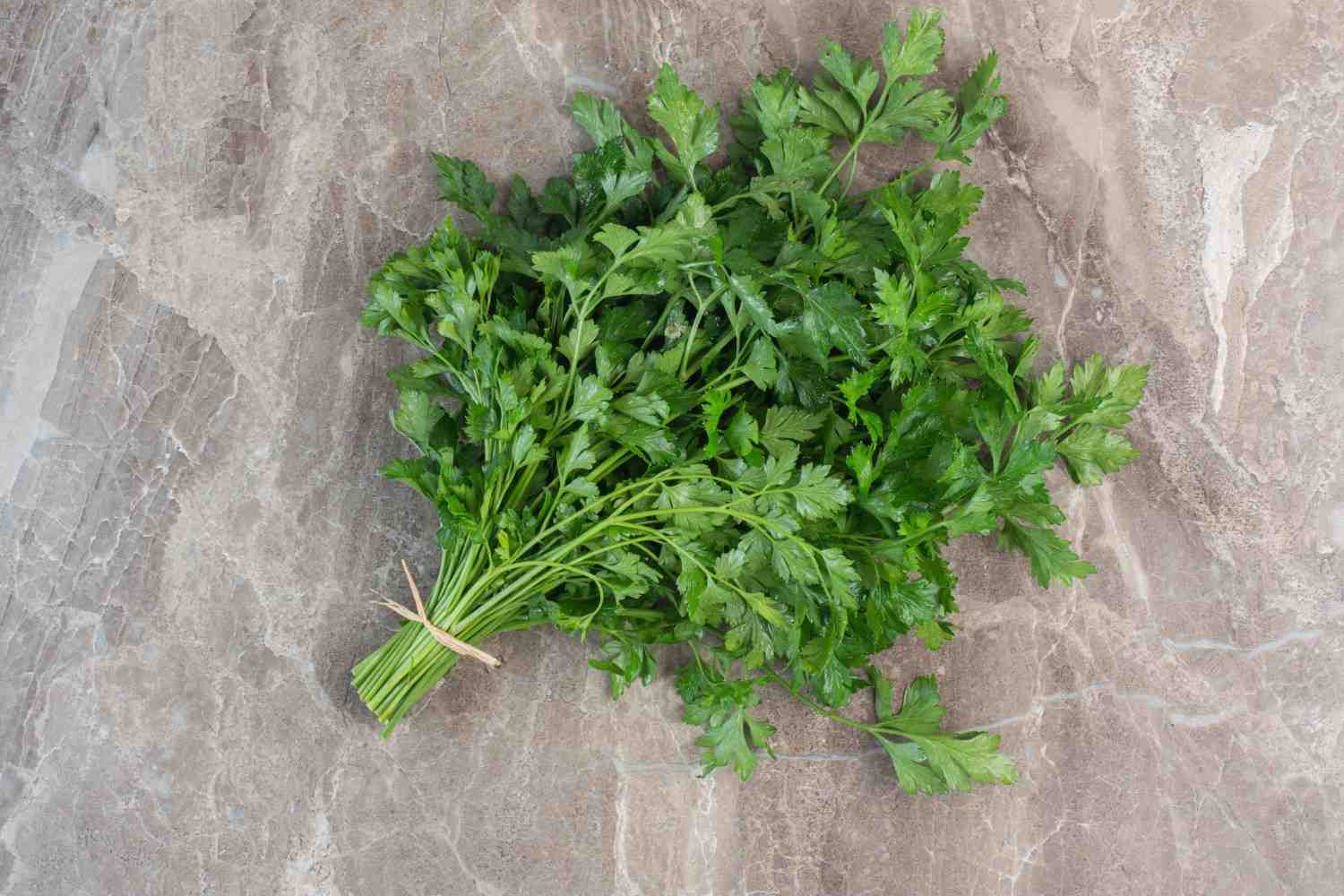
The Prep: Gather fresh parsley leaves. Look for vibrant green leaves without any yellowing or wilting. Rinse them thoroughly under running water to remove any dirt or contaminants. Having a small bunch ready in your refrigerator makes it easy to incorporate into your routine.
The Action: After each meal, take a few sprigs of parsley and chew them thoroughly. Focus on the back of your mouth where odor-causing bacteria tend to linger. Allow the leaves to break down, releasing essential oils and chlorophyll that will neutralize odors.
The Feeling: As you chew, you may experience a refreshing sensation as the natural oils are released. This cooling effect can last for several minutes, leaving your mouth feeling clean and revitalized. You will notice a significant reduction in any lingering food odors.
Pro Tip: Keep a small container of fresh parsley in your bag for on-the-go freshness.
For Post-Meal Freshness
The Prep: Prepare a small handful of fresh parsley. You may also consider mixing it with a pinch of sea salt to enhance its flavor. This combination can add a delightful taste while providing additional benefits.
The Action: After eating, take the parsley and chew it slowly. The salt will help to draw out moisture and enhance the flavor. This method not only freshens your breath but also encourages saliva production, which is essential for oral health.
The Feeling: The combination of parsley and salt creates a unique, zesty experience in your mouth. You will feel a tingling sensation as the chlorophyll works to neutralize odors. This fresh feeling can last for a considerable time, allowing you to engage confidently in conversations.
Pro Tip: Pair fresh parsley with a slice of lemon for an extra burst of freshness.
As a Flavor Enhancer
The Prep: Chop fresh parsley finely and mix it into your favorite dishes, such as salads or soups. This method allows for regular consumption of parsley without the need to chew it directly.
The Action: Incorporate parsley into your meals, focusing on fresh dishes where its flavor can shine. Add it to salads, sauces, or even as a garnish on main dishes. Regular inclusion in your diet will help maintain fresher breath over time.
The Feeling: As you consume meals enriched with parsley, you will notice a gradual improvement in your breath. The flavor enhances your meals while also working to combat odors. You may feel a sense of satisfaction knowing you are benefiting your oral health.
Pro Tip: Use parsley in your smoothies for an easy and nutritious addition.
Common Errors to Avoid
Using Low Quality Herbs
Many individuals overlook the quality of the parsley they use. Low-quality herbs may contain pesticides or lack the potency needed to combat bad breath effectively. To experience the full benefits of parsley, opt for organic or locally sourced varieties. These options are often fresher and more flavorful, enhancing their effectiveness.
Investing in high-quality parsley ensures that you are receiving the maximum amount of beneficial compounds. Freshness matters, as older herbs lose their potency and flavor. Always check for vibrant color and aromatic scent when purchasing.
Overlooking Oral Hygiene
Some may mistakenly rely solely on parsley for fresh breath, neglecting other essential oral hygiene practices. While parsley is beneficial, it should complement regular brushing and flossing. Maintaining a consistent oral care routine is crucial for overall dental health.
Incorporating parsley should not replace traditional oral hygiene practices. Instead, think of it as an additional tool in your arsenal. Brush twice a day and floss regularly to ensure comprehensive care for your mouth.
Ignoring Allergies or Sensitivities
Not everyone can consume parsley without issue. Some individuals may have allergies or sensitivities to certain herbs. It is vital to be aware of how your body reacts to parsley. If you experience any adverse reactions, consider consulting a healthcare provider before incorporating it into your daily routine.
Listening to your body is essential. If any discomfort arises, discontinue use and seek alternatives. There are various other herbs available that can also promote fresh breath.
The Biological Mechanism
Parsley contains compounds that interact with bacteria in the mouth. The chlorophyll present in parsley acts as a natural deodorizer. It neutralizes odors by binding to volatile compounds produced by bacteria. This interaction reduces the presence of bad breath-causing agents, leading to fresher breath.
The key compound responsible for parsley’s breath-freshening properties is chlorophyll. Chlorophyll is known for its ability to reduce odors and has been used in various traditional remedies. Its natural cleansing properties make it an effective option for combating halitosis.
Research supports the effectiveness of parsley in promoting oral health. Studies have shown that chlorophyll can reduce oral malodor and improve overall mouth freshness. For further reading, you can explore the findings on PubMed. This resource provides a wealth of information on the benefits of parsley and its compounds.
Choosing the Right Product
- Potency: High-potency parsley contains more beneficial compounds. This ensures you receive adequate amounts of chlorophyll and other nutrients.
- Purity: Look for organic parsley to avoid pesticides and chemicals. Pure herbs enhance your overall health without added toxins.
- Form: Fresh parsley is often the best choice. Dried herbs may lose potency over time, making fresh options more effective.
Benefits vs Risks
| The Benefits | Potential Downsides |
|---|---|
| Natural deodorizer for fresh breath | May cause allergic reactions in sensitive individuals |
| Rich in nutrients and antioxidants | Overconsumption may lead to digestive discomfort |
| Enhances oral hygiene when used in conjunction with brushing | Quality may vary based on sourcing |
Habits to Enhance Your Routine
Incorporating regular hydration into your daily routine can significantly improve your breath. Drinking plenty of water helps wash away food particles and bacteria, reducing the likelihood of bad breath. Aim for at least eight glasses a day to maintain optimal oral health.
Regular dental check-ups are vital as well. Visiting your dentist for routine cleanings ensures that any underlying issues are addressed promptly. This proactive approach can help prevent bad breath and maintain overall oral hygiene.
Who Should Avoid This?
– Individuals with allergies to parsley or related herbs.
– Those on anticoagulant medications, as large amounts of parsley may affect blood clotting.
– People with specific gastrointestinal conditions that may react negatively to high-fiber foods.
Common Questions
How often should I chew parsley for fresh breath?
Chewing parsley after meals is ideal for maintaining fresh breath throughout the day.
Can I use dried parsley instead of fresh?
While dried parsley can be used, fresh parsley is more potent and effective for combating bad breath.
Are there other herbs that can help with bad breath?
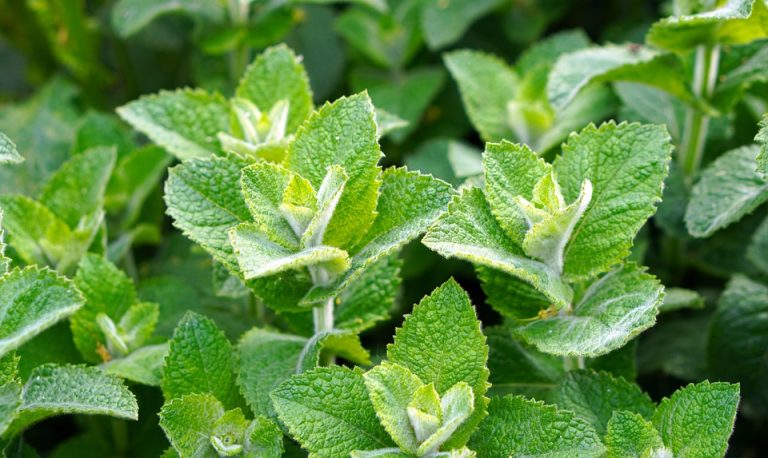
Yes, other herbs like mint and basil also have breath-freshening properties and can be used in similar ways.
How long does the fresh breath effect last?
The fresh breath effect can last from several minutes up to an hour, depending on individual oral hygiene and diet.
Final Thoughts
Incorporating parsley into your daily routine can be a simple yet effective way to enhance your oral hygiene. The benefits extend beyond fresh breath to overall wellness.
- The Truth: While parsley is effective, it should complement a full oral hygiene routine.
- The Strategy: Chew fresh parsley after meals for optimal results.
- The Next Step: Consider pairing parsley with other fresh herbs for a diverse approach to oral health.
Get Your FREE Natural Health Guide!
Subscribe now and receive our exclusive ebook packed with natural health tips, practical wellness advice, and easy lifestyle changes, delivered straight to your inbox.