Tinnitus, often described as a ringing or buzzing in the ears, can be a frustrating condition that affects millions of people worldwide. It can disrupt daily life, making it difficult to focus, sleep, or enjoy quiet moments. While the medical community continues to explore various treatments, many individuals are turning to diet as a potential avenue for relief. Could the foods we consume play a role in managing tinnitus symptoms? Let’s explore this fascinating connection.
Contents
- Understanding Tinnitus
- The Role of Diet in Tinnitus Management
- FAQs About Tinnitus and Diet
- Reflecting on Dietary Choices and Tinnitus
- References
Understanding Tinnitus
Before diving into dietary solutions, it’s essential to grasp what tinnitus really is. Tinnitus isn’t a disease but a symptom of an underlying condition, often linked to hearing loss, exposure to loud noises, or even stress. According to the American Tinnitus Association, approximately 50 million Americans experience some form of tinnitus.
Interestingly, the perception of tinnitus can vary widely among individuals. While some may experience it as a constant sound, others might hear it intermittently. Factors like age, overall health, and even psychological well-being can influence how one experiences tinnitus.
Personal Anecdote: A Journey with Tinnitus
I remember the first time I noticed a faint ringing in my ears. It was subtle at first, just a background noise that I could ignore. Over time, however, it became louder and more persistent, leading to sleepless nights and increased anxiety. After consulting with my doctor, I realized I wasn’t alone in this struggle. As I began researching potential remedies, I stumbled upon the idea of dietary changes. It was a journey of trial and error, but I discovered that certain foods could indeed make a difference.
The Role of Diet in Tinnitus Management
While research on the relationship between diet and tinnitus is still evolving, several foods have been associated with potential benefits. These foods generally promote overall ear health, improve circulation, or reduce inflammation—factors that can contribute to tinnitus symptoms.
1. Anti-Inflammatory Foods
Chronic inflammation can exacerbate tinnitus symptoms. Foods rich in antioxidants and anti-inflammatory properties may help mitigate this issue.
Examples:
- Berries: Blueberries, strawberries, and blackberries are packed with antioxidants, which can help reduce inflammation in the body.
- Fatty Fish: Salmon, mackerel, and sardines are rich in omega-3 fatty acids. A study published in the American Journal of Clinical Nutrition found that omega-3s can help reduce inflammation and support cardiovascular health, which is crucial for ear function.
Practical Application: Try incorporating a serving of berries into your breakfast or snack. A smoothie with spinach, banana, and a handful of berries can be both delicious and beneficial.
2. Magnesium-Rich Foods
Magnesium plays a vital role in maintaining proper nerve function, including the auditory system. Some studies suggest that magnesium deficiency may be linked to tinnitus.
Examples:
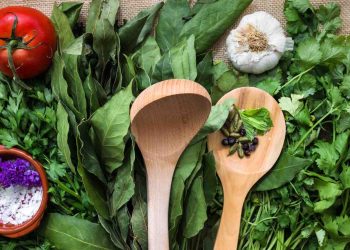
- Leafy Greens: Spinach, kale, and Swiss chard are excellent sources of magnesium.
- Nuts and Seeds: Almonds, cashews, and pumpkin seeds are not only tasty but also rich in magnesium.
Common Mistakes: Many people overlook the importance of magnesium. It’s easy to forget to include these foods in your diet. Consider adding a handful of nuts to your daily routine or including leafy greens in your meals more regularly.
3. Zinc-Infused Foods
Zinc is another mineral that has been studied for its potential benefits in managing tinnitus. Research published in the Journal of Otolaryngology found that zinc supplementation may improve tinnitus symptoms in some individuals.
Examples:
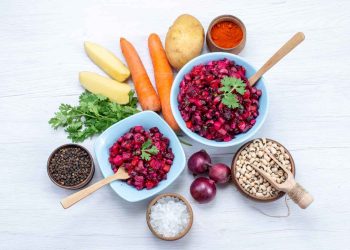
- Legumes: Chickpeas, lentils, and beans are high in zinc.
- Whole Grains: Quinoa and brown rice are not only nutritious but also provide a good amount of zinc.
Personal Observation: I’ve noticed that after incorporating more legumes into my meals, I felt a bit more balanced overall. It’s a simple way to add variety and nutrition to your diet.
4. Herbs and Spices
Certain herbs and spices are believed to have properties that can help manage tinnitus symptoms.
Examples:
- Ginger: Known for its anti-inflammatory properties, ginger can improve blood circulation.
- Garlic: Often touted for its health benefits, garlic can help reduce blood pressure and improve circulation.
Cultural Context: In many cultures, ginger tea is a staple for various ailments. I often brew a cup when I feel a bit off; it’s comforting and reminds me of home remedies passed down through generations.
5. Hydration and Electrolytes
Staying hydrated is crucial for overall health, including ear health. Dehydration can exacerbate tinnitus symptoms.
Examples:
- Coconut Water: A natural source of electrolytes, coconut water can help maintain hydration levels.
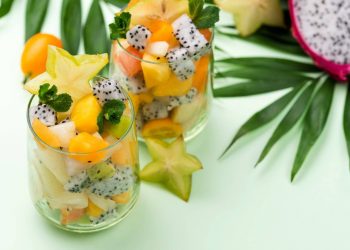
- Water-Rich Fruits: Watermelon, cucumbers, and oranges can contribute to your daily hydration needs.
Caveat: While hydration is essential, balance is key. Too much caffeine or alcohol can lead to dehydration and worsen tinnitus symptoms.
6. Foods Rich in B Vitamins
B vitamins, particularly B12, play a role in maintaining nerve health. Some studies have suggested a link between B12 deficiency and tinnitus.
Examples:
- Eggs: A great source of B vitamins, especially B12.
- Dairy Products: Milk, yogurt, and cheese can also provide essential B vitamins.
Step-by-Step Insight: If you’re considering incorporating more B vitamins into your diet, try starting your day with a breakfast that includes eggs and whole-grain toast. It’s an easy way to boost your intake!
7. Avoid Processed Foods
While focusing on beneficial foods, it’s equally important to consider what to limit or avoid. Processed foods, high in sugar and unhealthy fats, can contribute to inflammation and worsen tinnitus symptoms.
Common Mistakes: Many people don’t realize how much processed foods can sneak into their diets. Reading labels is crucial; many snacks that seem harmless can be loaded with sugar and preservatives.
8. Caffeine and Alcohol Moderation
Caffeine and alcohol can have varying effects on tinnitus. For some, they may exacerbate symptoms, while others report no change.
Personal Reflection: I’ve found that cutting back on caffeine helped me feel less jittery and more relaxed, which can indirectly affect how I perceive tinnitus.
9. Foods to Consider for Sound Masking
Certain foods may not directly affect tinnitus but can help mask the sound, providing some relief.
Examples:
- Foods with Strong Flavors: Spicy foods or citrusy fruits can distract the senses, making the ringing less noticeable.
- Crunchy Snacks: Carrots or apples can provide a satisfying crunch that might help divert attention from tinnitus.
Counterpoints: However, it’s essential to note that everyone’s body reacts differently. What works for one person may not work for another.
FAQs About Tinnitus and Diet
Q1: Can diet completely cure tinnitus?
A: While dietary changes can help manage symptoms, there is currently no known cure for tinnitus.
Q2: How long does it take to see improvements from dietary changes?
A: Individual results may vary, but some people notice improvements within a few weeks of making consistent dietary changes.
Q3: Are there specific diets recommended for tinnitus?
A: There’s no one-size-fits-all diet. However, focusing on anti-inflammatory foods and maintaining a balanced diet can be beneficial.
Q4: Should I consider supplements?
A: Always consult with a healthcare provider before starting any supplements, especially if you’re considering them for tinnitus.
Q5: Can stress management techniques help with tinnitus?
A: Yes, stress can exacerbate tinnitus symptoms. Incorporating relaxation techniques can be beneficial alongside dietary changes.
Reflecting on Dietary Choices and Tinnitus
As I reflect on my journey with tinnitus, I realize that managing it is not just about one single solution—it’s about a holistic approach. Diet is a significant piece of the puzzle, but so are lifestyle factors like stress management and regular exercise.
While research continues to evolve, the foods we consume can undoubtedly play a role in our overall well-being. It’s about finding what works for you, embracing the journey, and listening to your body.
This article is for educational purposes only and does not replace professional medical guidance. Always speak with a qualified healthcare provider before making changes to your health routine.
References
- American Tinnitus Association. (n.d.). Tinnitus Facts. American Tinnitus Association
- American Journal of Clinical Nutrition. (2005). “Dietary omega-3 fatty acids and inflammation.” AJCN
- Journal of Otolaryngology. (2015). “Zinc supplementation for the treatment of tinnitus.” Journal of Otolaryngology
- Mayo Clinic. (n.d.). “Tinnitus.” Mayo Clinic
- Cleveland Clinic. (n.d.). “Tinnitus: Symptoms, Causes, and Treatment.” Cleveland Clinic
Get Your FREE Natural Health Guide!
Subscribe now and receive our exclusive ebook packed with natural health tips, practical wellness advice, and easy lifestyle changes — delivered straight to your inbox.