
The struggle with joint inflammation can feel relentless. Many individuals are unaware that their diet plays a pivotal role in managing this condition. The foods consumed daily can either exacerbate inflammation or help alleviate it. Inflammation often leads to discomfort, stiffness, and limited mobility, affecting the quality of life.

Addressing inflammation through nutrition is not merely about avoiding harmful foods. It involves incorporating specific foods that possess anti-inflammatory properties while also supporting collagen production. Collagen is a vital protein that helps maintain joint integrity and overall health. Without adequate collagen, joints can become brittle and more susceptible to injury.
The good news is that numerous foods can effectively combat inflammation and promote collagen synthesis. By strategically including these foods in your diet, you can enhance your overall well-being and support your joints. Understanding how to utilize these foods can empower you to take control of your health.
In this guide, we will explore practical applications, common mistakes, the science behind these foods, and much more. This comprehensive approach will ensure you have the knowledge necessary to make informed dietary choices that lead to improved joint health and reduced inflammation.
Contents
- How to Use Foods That Fight Joint Inflammation for Real Results
- Common Errors to Avoid When Addressing Joint Health
- The Science Behind Joint Inflammation and Collagen Support
- Choosing the Right Product for Joint Health
- Benefits vs Risks
- Healthy Lifestyle Habits
- Who Should Avoid This?
- Common Questions
- The Bottom Line
How to Use Foods That Fight Joint Inflammation for Real Results
- Best Form: Whole foods and supplements as needed.
- Best Time: Incorporate these foods into daily meals.
- Expected Result: Reduced inflammation and improved joint mobility.
For Daily Protection
The prep for daily protection against inflammation involves selecting a variety of foods known for their beneficial properties. Aim to include leafy greens such as spinach and kale, fruits like berries, and healthy fats such as avocados and olive oil. Gather fresh herbs like turmeric, ginger, and garlic, which are also effective.
To implement this, start your day with a smoothie packed with spinach, berries, and avocado. Add a teaspoon of turmeric and a pinch of black pepper, which enhances turmeric’s absorption. For lunch, prepare a salad with mixed greens, topped with grilled chicken, olive oil, and lemon dressing. Incorporate ginger into your tea or meals for an extra anti-inflammatory boost.
After consuming these meals, you may feel a sense of lightness and clarity. The combination of nutrients can lead to reduced joint stiffness and increased energy levels throughout the day. Pro Tip: Prepare meals in advance to ensure you have access to these anti-inflammatory foods daily.
Targeting Acute Pain
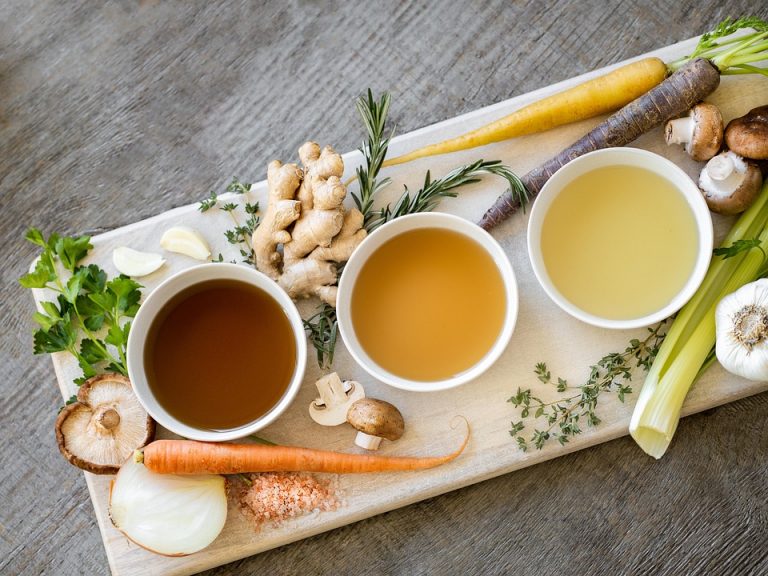
For acute pain situations, focus on foods that provide immediate relief. Ingredients like bone broth, rich in collagen, and fatty fish such as salmon are essential. Gather fresh herbs like rosemary and spices such as cayenne pepper, known for their anti-inflammatory properties.
Begin by simmering bone broth with rosemary, garlic, and vegetables for a hearty soup. Add pieces of salmon, which provide omega-3 fatty acids, to enhance the dish. Incorporate cayenne pepper to stimulate circulation and alleviate pain.
Upon consuming this meal, you may experience warmth and relief in your joints. The collagen from the broth, combined with omega-3s, can help soothe inflammation and promote joint repair. Pro Tip: Consuming this type of meal during flare-ups can expedite recovery.
The Nighttime Routine
For a nighttime routine that supports joint health, prepare a calming herbal tea with chamomile and ginger. Additionally, include foods rich in magnesium, such as almonds or pumpkin seeds, to promote relaxation and reduce inflammation.
Brew chamomile tea and steep it with fresh ginger slices. For a snack, enjoy a handful of almonds or pumpkin seeds. This combination not only aids in relaxation but also contributes to reducing inflammation overnight.
After this routine, you may feel a sense of calmness and reduced tension in your joints. The magnesium and anti-inflammatory compounds work synergistically to promote restful sleep and recovery. Pro Tip: Establishing a consistent nighttime routine can amplify its benefits for joint health.
Common Errors to Avoid When Addressing Joint Health
Using Low-Quality Ingredients
One common mistake is opting for low-quality ingredients, particularly when it comes to herbs and oils. Many processed oils and herbs lack the necessary potency to combat inflammation effectively. Using inferior products can lead to minimal results and wasted effort.
Instead, prioritize high-quality, organic ingredients. Look for extra virgin olive oil, which retains its beneficial compounds. When purchasing herbs, ensure they are fresh or high-quality dried varieties. Investing in quality ingredients ensures you receive the maximum health benefits.
Choosing superior products can significantly enhance the effectiveness of your meals in reducing inflammation. The difference in flavor and potency can also make your dishes more enjoyable and beneficial.
Neglecting Variety in Your Diet
Another error is neglecting variety in your diet. Consuming the same foods repeatedly can lead to nutrient deficiencies and diminish the potential health benefits. A diverse diet is crucial for obtaining a wide range of vitamins and minerals that support joint health.
Incorporate a variety of fruits, vegetables, whole grains, and proteins. Each food provides unique nutrients that contribute to reducing inflammation. Experiment with new recipes and ingredients to keep your meals exciting and nutritionally balanced.
A varied diet not only keeps meals interesting but also ensures you receive comprehensive support for your joints. This approach can lead to a more sustainable and enjoyable eating habit.
Overlooking Hydration
Hydration is often overlooked in discussions about joint health. Proper hydration is essential for maintaining joint lubrication and overall health. Neglecting to drink enough water can exacerbate inflammation and lead to discomfort.
Make a conscious effort to stay hydrated throughout the day. Aim for at least eight glasses of water daily, and consider incorporating herbal teas that offer anti-inflammatory benefits. Keeping hydrated supports joint function and helps flush out toxins that may contribute to inflammation.
Staying well-hydrated can significantly improve joint mobility and comfort. It also enhances overall well-being, making it easier to engage in physical activities that promote joint health.
The Science Behind Joint Inflammation and Collagen Support
Understanding the biological mechanisms behind joint inflammation reveals how specific foods can create positive changes in the body. Inflammation occurs when the immune system responds to injury or infection. Chronic inflammation can lead to tissue damage and joint pain.
Key compounds found in certain foods play a crucial role in combating inflammation. Antioxidants, such as flavonoids and polyphenols, neutralize free radicals, reducing oxidative stress. Omega-3 fatty acids, found in fatty fish, have been shown to lower inflammatory markers in the body.
Clinical studies support the effectiveness of dietary interventions in reducing inflammation. For instance, a study published in the PubMed database highlights the benefits of adopting an anti-inflammatory diet for improving joint health and reducing pain.
Choosing the Right Product for Joint Health
– **Potency**: Look for products that contain a high concentration of active ingredients. Potency matters because it directly affects the effectiveness of the food or supplement in combating inflammation.
-
Purity: Ensure that products are free from fillers, allergens, and harmful additives. Purity is essential to maximize health benefits and minimize potential adverse reactions.
-
Form: Choose between whole foods and supplements based on personal preferences and dietary needs. The form can impact absorption rates and overall effectiveness, making it crucial to select what works best for your lifestyle.
Benefits vs Risks
| The Benefits | Potential Downsides |
|---|---|
| Improved joint mobility and comfort | Possible allergic reactions to certain foods |
| Enhanced collagen production for joint support | Overconsumption of certain nutrients can lead to imbalances |
| Overall better health and well-being | Potential interactions with medications |
Healthy Lifestyle Habits
Incorporating regular physical activity can significantly enhance joint health. Activities like walking, swimming, or yoga improve flexibility and strengthen the muscles surrounding joints. This added support can help reduce inflammation and enhance overall mobility.
Mindfulness practices, such as meditation or deep breathing exercises, can also contribute to reducing stress levels. Lower stress can lead to decreased inflammation, improving joint health and overall well-being.
Who Should Avoid This?
– Individuals with specific food allergies or intolerances.
– Those currently on medications that may interact with anti-inflammatory foods.
– People with chronic health issues without consulting a healthcare provider first.
Common Questions
What foods should I avoid to reduce joint inflammation?
Processed foods, sugary snacks, and trans fats can worsen inflammation. Aim to minimize these in your diet.
How long does it take for dietary changes to affect joint health?
Many individuals notice improvements within a few weeks of adopting an anti-inflammatory diet. However, results can vary based on individual health conditions.
Can supplements replace whole foods for joint health?
Supplements can provide additional support but should not replace a balanced diet rich in whole foods. Whole foods offer a broader range of nutrients.
Are there specific exercises that help with joint inflammation?
Low-impact exercises, such as swimming and cycling, are beneficial. They help maintain joint mobility without excessive strain.
The Bottom Line
Making dietary changes can have a profound impact on joint inflammation and overall health.
- The Truth: Dietary changes alone may not resolve all joint issues.
- The Strategy: Incorporate anti-inflammatory foods into daily meals for best results.
- The Next Step: Establish a routine that includes both dietary changes and regular physical activity.
Get Your FREE Natural Health Guide!
Subscribe now and receive our exclusive ebook packed with natural health tips, practical wellness advice, and easy lifestyle changes, delivered straight to your inbox.