When I was a child, my grandmother would often tell me, “Eat your carrots; they’ll help you see in the dark!” While I chuckled at her old wives’ tales, I later learned that there’s some truth behind her words. Nutrition plays a significant role in maintaining eye health, and certain foods can indeed help brighten your vision and support your overall ocular well-being.
In this article, we’ll explore various foods that are beneficial for your eyes, backed by scientific evidence, and delve into how they can improve your vision. We’ll also discuss some common misconceptions and provide practical applications to incorporate these foods into your diet.
Contents
The Nutritional Landscape of Eye Health
Eye health is influenced by several nutrients, including vitamins A, C, and E, omega-3 fatty acids, lutein, and zeaxanthin. Each of these plays a unique role in maintaining vision and preventing eye-related diseases.
Vitamin A: The Vision Vitamin
Vitamin A is perhaps the most famous nutrient associated with eye health. Found in foods as beta-carotene, it’s essential for the formation of rhodopsin, a pigment in the retina that helps you see in low light. A deficiency in vitamin A can lead to night blindness and other serious eye problems.
Sources:
- Carrots: A classic source, carrots are rich in beta-carotene. Eating them raw or lightly cooked can maximize their nutritional benefits.
- Sweet Potatoes: These are another excellent source of beta-carotene, offering a sweet alternative to carrots.
- Spinach and Kale: Leafy greens are not only great for overall health but also packed with vitamin A.
Vitamin C: The Antioxidant Powerhouse
Vitamin C is well-known for its immune-boosting properties, but it also plays a crucial role in eye health. It helps reduce the risk of cataracts and age-related macular degeneration (AMD).
Sources:
- Citrus Fruits: Oranges, grapefruits, and lemons are all fantastic sources of vitamin C.
- Bell Peppers: Surprisingly, red and yellow bell peppers contain more vitamin C than oranges.
- Broccoli: This cruciferous vegetable is another excellent source of vitamin C.
Vitamin E: The Eye Protector
Vitamin E helps protect the eyes from oxidative stress and may lower the risk of cataracts and AMD.
Sources:
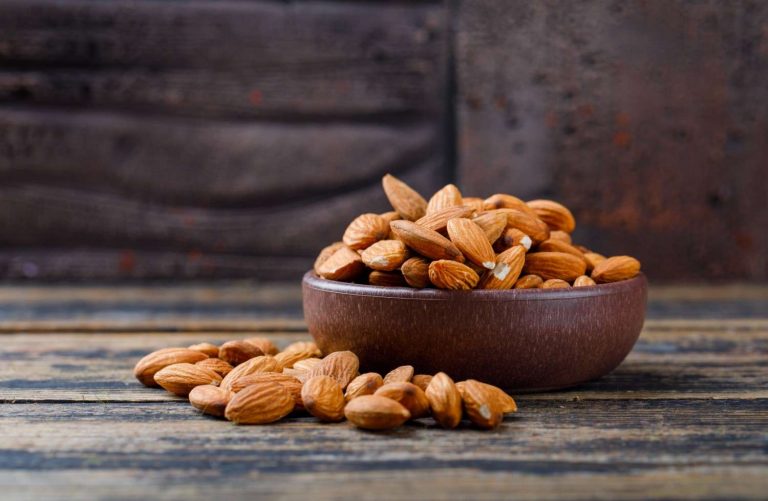
- Nuts and Seeds: Almonds, sunflower seeds, and hazelnuts are rich in vitamin E.
- Avocado: This creamy fruit is not only delicious but also a great source of vitamin E.
Omega-3 Fatty Acids: The Essential Fats
Omega-3 fatty acids, particularly DHA and EPA, are crucial for retinal health. They help in the formation of the retina and may reduce the risk of AMD and dry eye syndrome.
Sources:
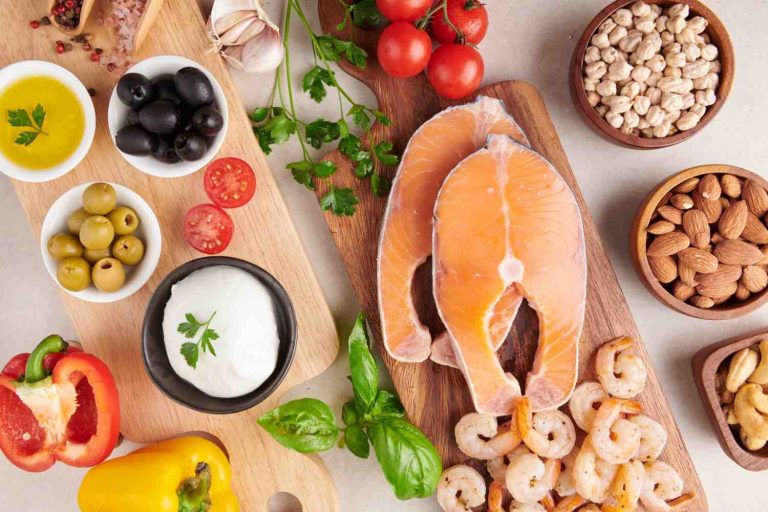
- Fatty Fish: Salmon, mackerel, and sardines are among the best sources of omega-3s. I’ve noticed that incorporating fish into my meals at least twice a week has made a noticeable difference in my overall health.
- Chia Seeds: For those who prefer plant-based sources, chia seeds are an excellent option.
Lutein and Zeaxanthin: The Eye Defenders
These carotenoids are found in high concentrations in the retina and help filter harmful blue light, protecting the eyes from damage.
Sources:
- Leafy Greens: Spinach, kale, and collard greens are rich in lutein and zeaxanthin.
- Eggs: The yolk contains both nutrients, making them a great addition to a vision-supporting diet.
Practical Applications: Incorporating Eye-Healthy Foods
Now that we’ve identified some key nutrients and their sources, let’s discuss how to incorporate these foods into your daily meals.
Breakfast Ideas
- Smoothie Bowl: Start your day with a smoothie made from spinach, avocado, and a banana. Top it with chia seeds and a handful of berries for added antioxidants.
- Omelet: Whip up an omelet with spinach and bell peppers, adding a sprinkle of cheese for extra flavor.
Lunch Options
- Salad: Create a vibrant salad with mixed greens, shredded carrots, and sliced bell peppers. Top it with grilled salmon for a dose of omega-3s.
- Wrap: Use a whole-grain wrap filled with hummus, sliced avocado, and a variety of colorful veggies.
Dinner Dishes
- Stir-Fry: Sauté a mix of broccoli, bell peppers, and snap peas with tofu or chicken, drizzled with a tangy sauce.
- Baked Fish: Enjoy a piece of baked salmon alongside roasted sweet potatoes and steamed kale.
Snacks
- Trail Mix: Combine nuts, seeds, and dried fruits for a nutritious snack that supports eye health.
- Veggies and Hummus: Crunchy carrots, cucumbers, and bell peppers paired with hummus make for a satisfying and healthy snack.
Counterpoints and Caveats
While it’s tempting to believe that loading up on these foods will guarantee perfect vision, it’s essential to approach nutrition with a balanced mindset. Genetics, lifestyle factors, and environmental influences also play significant roles in eye health.
The Myth of “Superfoods”
Many people fall into the trap of thinking that certain “superfoods” alone can cure or prevent eye diseases. For example, while carrots are beneficial, they won’t make your vision perfect or cure existing conditions. It’s crucial to adopt a holistic approach to diet and lifestyle.
Mixed Research Findings
While some studies highlight the benefits of specific nutrients in eye health, others show mixed results. For instance, a study published in the American Journal of Clinical Nutrition found that higher intake of omega-3 fatty acids was associated with a lower risk of AMD, while another study suggested that the relationship might not be as strong as previously thought.
Individual Variability
Everyone’s body responds differently to dietary changes. Some may notice improvements in their eye health quickly, while others may not see significant changes. Factors such as age, overall health, and existing conditions can influence this variability.
Real-Life Examples: Success Stories
I’ve spoken with several friends and family members who have made conscious efforts to improve their diets for better eye health. One friend, who struggled with dry eyes, began incorporating more omega-3-rich foods into her meals. Within a few weeks, she noticed a significant reduction in discomfort.
Another acquaintance, an avid gardener, started growing kale and spinach. He shared that not only did he enjoy the fresh produce, but he also felt a boost in his overall energy levels, which he attributed to his improved diet.
FAQs
1. Can certain foods really improve my vision?
Yes, foods rich in specific nutrients like vitamins A, C, E, omega-3 fatty acids, lutein, and zeaxanthin can support eye health and potentially improve vision.
2. How soon can I expect to see results from dietary changes?
Results can vary widely. Some may notice improvements in comfort or clarity within weeks, while others may take longer. Consistency is key.
3. Are there any foods I should avoid for better eye health?
Processed foods high in sugar and unhealthy fats can negatively impact overall health, including eye health. It’s best to limit these.
4. Is it necessary to take supplements for eye health?
While supplements can be beneficial, it’s best to obtain nutrients through whole foods. Consult with a healthcare provider for personalized advice.
5. Can I rely solely on diet for eye health?
A balanced diet is crucial, but regular eye check-ups and protecting your eyes from UV light are also essential for maintaining vision.
Reflecting on Eye Health
As we navigate the complexities of nutrition and eye health, it’s important to remain curious and open-minded. The foods we consume can undoubtedly play a significant role in our vision, but they are just one piece of the puzzle.
Incorporating a variety of nutrient-dense foods into your diet can lead to a healthier lifestyle and may help in maintaining optimal eye health. As I look back on my grandmother’s advice, I realize the wisdom behind it—there’s more to eye health than just carrots, but they certainly have their place in a well-rounded diet.
Medical Disclaimer
This article is for educational purposes only and does not replace professional medical guidance. Always speak with a qualified healthcare provider before making changes to your health routine.
References
- Chiu, C.J., & Taylor, A. (2007). Nutritional Risk Factors for Age-Related Macular Degeneration. American Journal of Clinical Nutrition. Link
- Ma, L., et al. (2017). Omega-3 Fatty Acids and the Risk of Age-Related Macular Degeneration: A Meta-Analysis of Prospective Studies. American Journal of Clinical Nutrition. Link
- The National Eye Institute. (n.d.). Age-Related Eye Disease Study (AREDS). NIH
By exploring the interplay between diet and eye health, we can take proactive steps towards a brighter, clearer future.
Get Your FREE Natural Health Guide!
Subscribe now and receive our exclusive ebook packed with natural health tips, practical wellness advice, and easy lifestyle changes, delivered straight to your inbox.