
When it comes to maintaining good vision and overall eye health, the food on your plate plays a crucial role. As someone who has spent years researching natural health remedies, I’ve often marveled at how certain nutrients can impact our eye health. It’s not just about carrots and their famous reputation for improving eyesight; a variety of foods can contribute to keeping your eyes sharp and healthy.
Let’s explore the essential foods that you should consider incorporating into your daily diet for better eye health.
Contents
The Eye-Health Powerhouses: Key Nutrients
Omega-3 Fatty Acids
Omega-3 fatty acids are essential for maintaining eye health. They help prevent dry eyes and can reduce the risk of age-related macular degeneration (AMD). A study published in the American Journal of Clinical Nutrition found that individuals with higher omega-3 intake had a significantly lower risk of developing AMD (1).
Practical Applications:
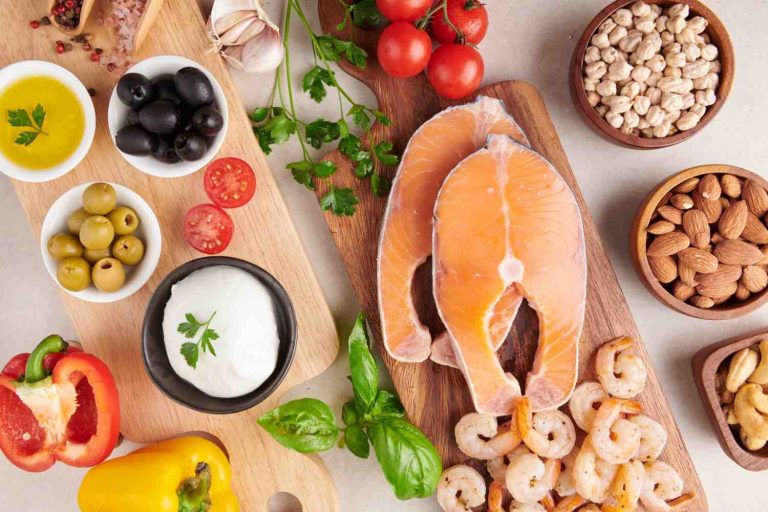
- Sources: Fatty fish like salmon, mackerel, and sardines are rich in omega-3s. If you’re vegetarian or vegan, consider flaxseeds, chia seeds, and walnuts.
- Common Mistakes: Many people think they can get enough omega-3s from supplements alone, but whole foods provide additional nutrients that are vital for eye health.
Lutein and Zeaxanthin
These carotenoids are found in high concentrations in the retina and are known to filter harmful blue light, protecting your eyes from damage. According to a study in Nutrients, lutein and zeaxanthin may help reduce the risk of cataracts and AMD (2).
Practical Applications:
- Sources: Leafy greens like kale, spinach, and collard greens are excellent sources. You can also find them in corn and egg yolks.
- Common Mistakes: While supplements are available, they may not be as effective as getting these nutrients from food sources. I’ve noticed that incorporating a colorful salad into my meals not only boosts my nutrient intake but also makes my meals visually appealing.
Vitamin C
This potent antioxidant is crucial for eye health. It helps combat oxidative stress, which can lead to cataracts and AMD. Research from the Archives of Ophthalmology suggests that a diet rich in vitamin C may lower the risk of cataracts (3).
Practical Applications:
- Sources: Citrus fruits like oranges and grapefruits, as well as strawberries, bell peppers, and broccoli, are great sources of vitamin C.
- Common Mistakes: Many people overlook vegetables as sources of vitamin C, focusing solely on fruits. Incorporating a variety of colorful vegetables into your meals can help balance your intake.
Vitamin E
Vitamin E is another antioxidant that helps protect the eyes from oxidative damage. A study in the Journal of the American Medical Association indicates that vitamin E, when combined with other antioxidants, may help delay the progression of AMD (4).
Practical Applications:
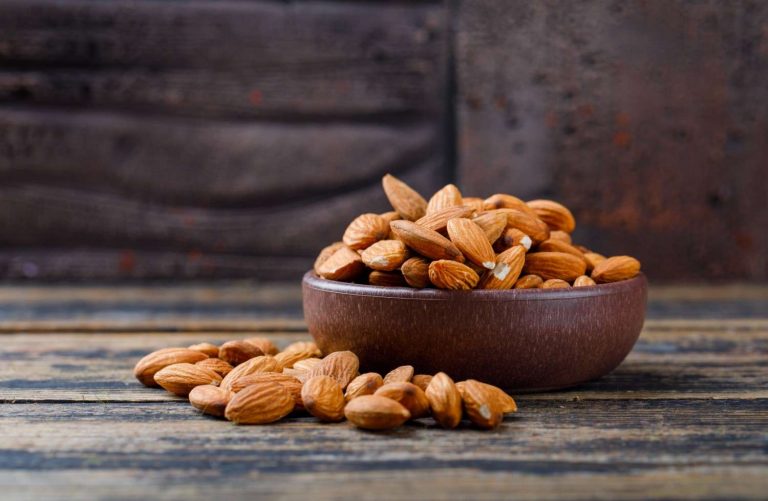
- Sources: Nuts, seeds, and vegetable oils are rich in vitamin E. Almonds, sunflower seeds, and hazelnuts are particularly good choices.
- Common Mistakes: People often consume nuts in moderation, thinking they are high in calories. However, a small handful can provide a significant boost to your vitamin E intake.
Zinc
Zinc plays a critical role in maintaining the health of the retina and may help protect against AMD. A study highlighted in Ophthalmology found that zinc supplementation can slow the progression of advanced AMD (5).
Practical Applications:
- Sources: Oysters are the richest source of zinc, but you can also find it in beef, poultry, beans, and fortified cereals.
- Common Mistakes: Many overlook zinc’s importance, especially in vegetarian diets. If you’re not consuming enough zinc-rich foods, consider incorporating legumes and whole grains.
Cultural Perspectives on Eye Health Foods
Different cultures have their unique approaches to eye health. For instance, the Mediterranean diet, rich in fruits, vegetables, whole grains, and healthy fats, is not only delicious but also beneficial for eye health. The emphasis on fresh produce aligns with what we know about lutein and zeaxanthin-rich foods.
In Asian cultures, traditional remedies often include foods like goji berries, which are believed to improve eyesight. These berries are rich in antioxidants and vitamins that contribute to overall eye health.
Personal Reflection
I’ve found that embracing diverse culinary traditions not only enriches my palate but also broadens my nutrient intake. For example, adding a side of sautéed bok choy or a Moroccan carrot salad with spices can provide unexpected benefits and flavors.
Common Eye Health Myths
Myth 1: Carrots Are the Only Food for Good Vision
While carrots are indeed a good source of beta-carotene, which the body converts to vitamin A, they are not the only food that supports eye health. Incorporating a variety of fruits, vegetables, and healthy fats can provide a more comprehensive range of nutrients.
Myth 2: Supplements Can Replace a Healthy Diet
Many people believe that taking supplements can compensate for a poor diet. However, research suggests that whole foods contain a synergistic blend of nutrients that supplements often lack.
Myth 3: Eye Strain is Only Caused by Screen Time
While excessive screen time can lead to digital eye strain, factors like poor nutrition, dehydration, and inadequate lighting also play significant roles. Ensuring a balanced diet is crucial for maintaining eye comfort and health.
Step-by-Step Guide to Eating for Eye Health
Step 1: Incorporate a Rainbow of Vegetables
Aim for a colorful plate. Include leafy greens, orange and yellow vegetables, and red peppers. This variety ensures you’re getting a range of essential nutrients.
- Example: I love making a stir-fry with kale, bell peppers, and carrots, drizzled with a bit of olive oil and lemon.
Step 2: Choose Whole Grains
Opt for whole grains over refined grains. Foods like brown rice, quinoa, and whole-grain bread provide fiber and nutrients that support eye health.
- Example: Switching to whole-grain pasta has not only improved my energy levels but also my overall health.
Step 3: Snack on Nuts and Seeds
Keep a mix of nuts and seeds on hand for snacks. They are not only rich in vitamin E and omega-3s but also provide healthy fats that are great for your eyes.
- Example: I often prepare a trail mix with almonds, walnuts, and pumpkin seeds for a midday boost.
Step 4: Stay Hydrated
Dehydration can lead to dry eyes, so make sure you’re drinking enough water throughout the day.
- Example: I keep a water bottle handy and infuse it with lemon or mint for a refreshing twist.
Step 5: Limit Processed Foods
Processed foods often contain unhealthy fats and sugars that can contribute to inflammation. Reducing these in your diet can improve overall health, including eye health.
- Example: I’ve noticed that after cutting down on sugary snacks, my energy levels are more stable, and I feel better overall.
Real-Life Case Study: A Journey to Better Eye Health
Meet Sarah, a 35-year-old graphic designer who spent long hours in front of a computer screen. She began experiencing dry eyes and blurred vision. After consulting with an eye specialist, she decided to change her diet.
By incorporating foods rich in omega-3s, lutein, and antioxidants, Sarah noticed a remarkable improvement in her symptoms. She started eating salmon twice a week, added spinach to her smoothies, and snacked on almonds daily. Within a few months, her eye discomfort significantly reduced, and her vision clarity improved.
Takeaway from Sarah’s Journey
Sarah’s experience underscores the importance of a balanced diet for eye health. It’s a reminder that small, consistent changes can lead to significant improvements.
Addressing Common Concerns
Are Supplements Necessary?
While supplements can help, they should not be a substitute for a healthy diet. If you’re considering supplements, consult with a healthcare provider to determine what’s best for you.
How Quickly Can You See Improvements?
Improvements in eye health can vary based on individual circumstances. Generally, incorporating nutrient-rich foods into your diet can lead to noticeable changes within weeks to months.
Is There a Risk of Overconsumption?
Yes, certain nutrients can be harmful in excessive amounts. For example, too much vitamin A can lead to toxicity. Always aim for balance and variety.
FAQs
Q1: What are the best foods for preventing cataracts?
A1: Foods rich in antioxidants, such as leafy greens, fruits like oranges and berries, and nuts, can help prevent cataracts.
Q2: Can I get enough omega-3s from plants?
A2: While plant sources like flaxseeds and chia seeds provide omega-3s, they contain ALA, which the body must convert to EPA and DHA (the forms found in fish).
Q3: How can I improve dry eyes through diet?
A3: Increasing omega-3 intake, staying hydrated, and consuming foods rich in vitamin A and antioxidants can help alleviate dry eye symptoms.
Q4: Are there any specific foods to avoid for eye health?
A4: Processed foods high in sugar and unhealthy fats can lead to inflammation and should be limited.
Q5: How often should I eat eye-healthy foods?
A5: Aim to include a variety of eye-healthy foods in your daily diet for maximum benefits.
Conclusion
Eye health is an often-overlooked aspect of overall well-being. By consciously incorporating a variety of nutrient-rich foods into your daily meals, you can support your vision and reduce the risk of eye-related diseases.
Reflecting on my own dietary choices, I’ve realized that a colorful plate not only pleases the palate but also nourishes my eyes. As research continues to evolve, it’s essential to stay informed and curious about how our diets impact our health.
This article is for educational purposes only and does not replace professional medical guidance. Always speak with a qualified healthcare provider before making changes to your health routine.
References
- American Journal of Clinical Nutrition. (2017). Omega-3 Fatty Acids and Age-Related Macular Degeneration.
- Nutrients. (2019). Lutein and Zeaxanthin: Their Role in Eye Health.
- Archives of Ophthalmology. (2008). Vitamin C and Cataract Risk.
- Journal of the American Medical Association. (2001). Antioxidant Supplements for Age-Related Macular Degeneration.
- Ophthalmology. (2008). Zinc and Age-Related Macular Degeneration: A Meta-Analysis.
Get Your FREE Natural Health Guide!
Subscribe now and receive our exclusive ebook packed with natural health tips, practical wellness advice, and easy lifestyle changes, delivered straight to your inbox.