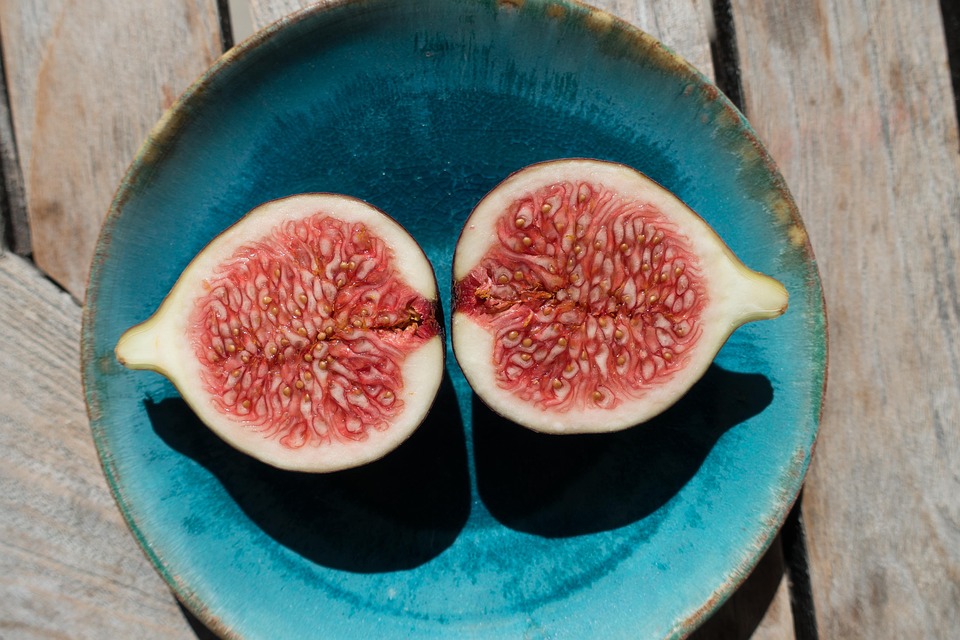

Figs have long been celebrated not just for their delectable sweetness but also for their impressive nutritional profile. Many people face the challenge of maintaining adequate skeletal calcium intake, which is crucial for bone health. Insufficient calcium can lead to a range of health issues, including osteoporosis and other bone-related disorders. While dairy products are often recommended for calcium, they may not be suitable for everyone, particularly those with lactose intolerance or dietary restrictions. This is where figs come into play as a natural and delicious alternative.
Figs are rich in essential minerals and vitamins, making them an excellent choice for those looking to boost their calcium intake without relying on conventional sources. Their unique flavor also allows for versatility in culinary applications, appealing to various palates. When incorporated into a balanced diet, figs can provide a significant contribution to your daily calcium needs while offering additional health benefits.
The consumption of figs can also cater to those seeking plant-based options, as they are naturally high in calcium and other nutrients. Understanding how to effectively integrate figs into your diet can help maximize their benefits. This guide will explore practical applications, common mistakes to avoid, and the science behind figs as a calcium-rich food source.
In addition to discussing their nutritional value, this guide will delve into how to select the right figs, potential trade-offs, and lifestyle habits that can complement your calcium intake. By the end of this comprehensive exploration, you will be well-equipped to enjoy the many health benefits figs offer while enhancing your skeletal calcium levels.
Contents
How to Use Figs for Real Results
- Best Form: Dried figs
- Best Time: Morning or as a snack
- Expected Result: Enhanced calcium absorption
For Daily Protection
The Prep: Gather a handful of dried figs, a small bowl of Greek yogurt, and a sprinkle of chia seeds. This simple setup combines the nutritional benefits of figs with the protein of yogurt and the omega-3 fatty acids from chia seeds.
The Action: Begin by slicing the dried figs into smaller pieces for easy mixing. Place the Greek yogurt in a bowl and add the sliced figs on top. Finish by sprinkling chia seeds over the mixture. This combination creates a nutrient-rich snack that is both filling and delicious.
The Feeling: As you enjoy this snack, a sweet and creamy flavor will envelop your taste buds. The texture of the figs adds a delightful chewiness, while the chia seeds provide a subtle crunch. The sensation is satisfying, and you will likely feel a steady source of energy that lasts for hours.
Pro Tip: For added flavor, consider drizzling a bit of honey over the top or adding a pinch of cinnamon.
Targeting Afternoon Cravings
The Prep: Assemble a serving of whole-grain crackers, a block of cheese, and a few dried figs. This combination will provide a balanced snack that incorporates healthy fats, fiber, and calcium.
The Action: Start by placing the whole-grain crackers on a plate. Cut slices of cheese and place them on top of the crackers. Add whole or sliced dried figs on the side for a sweet contrast. Enjoy this snack in the afternoon to help curb cravings and maintain energy levels.
The Feeling: The crunchiness of the crackers paired with the creaminess of the cheese creates a delightful mouthfeel. The figs add a burst of sweetness that complements the savory flavors. This combination will leave you feeling satisfied and nourished.
Pro Tip: Experiment with different types of cheese to find your favorite pairing with figs.
The Nighttime Routine
The Prep: Gather a small bowl of oatmeal, a handful of dried figs, and some almond milk. This setup creates a comforting and calcium-rich evening treat.
The Action: Begin by cooking oatmeal according to package instructions. Once cooked, stir in almond milk for creaminess. Chop the dried figs and sprinkle them on top of the oatmeal. For an extra touch, add a dash of vanilla or a sprinkle of nuts.
The Feeling: As you dig into this warm bowl, the creamy texture of the oatmeal combined with the sweet figs creates a soothing sensation. The warmth of the dish is comforting, making it an ideal nighttime snack that promotes relaxation and satiety.
Pro Tip: Allow the oats to sit for a few minutes after cooking to absorb the flavors of the figs.
Common Errors to Avoid
Overlooking Fresh Figs
Many individuals focus solely on dried figs, missing out on the benefits of fresh ones. Fresh figs are not only delicious but also contain higher water content, offering hydration along with nutrients. They can be enjoyed raw, added to salads, or blended into smoothies. Incorporating fresh figs into your diet can diversify your nutrient intake and enhance your overall health.
Ignoring Portion Sizes
While figs are nutritious, consuming them in excessive amounts can lead to an imbalance in calorie intake. A handful of dried figs is usually sufficient to reap their benefits. Monitoring portion sizes ensures that you are not overloading on calories while still gaining the nutritional advantages figs provide.
Neglecting Other Calcium Sources
Relying solely on figs for calcium can lead to deficiencies in other essential nutrients. It is important to maintain a balanced diet that includes a variety of calcium-rich foods such as leafy greens, nuts, and seeds. Pairing figs with other calcium sources can enhance absorption and support overall health.
The Science Behind Figs as a Calcium Source
The biological mechanism of calcium absorption involves the interplay of various nutrients. Calcium requires vitamin D for optimal absorption, and figs contain both calcium and small amounts of vitamin D, making them a beneficial addition to your diet.
Key compounds in figs include calcium oxalate and phytates, which can influence calcium bioavailability. While oxalates may inhibit calcium absorption, the high calcium content in figs often compensates for this effect. This balance makes figs a valuable source of calcium, especially for those seeking plant-based options.
Clinical evidence supports the role of figs in contributing to calcium intake. Studies show that dried figs can provide significant amounts of calcium, making them an effective alternative for those who cannot consume traditional dairy sources. For more detailed information, you can refer to this PubMed search.
Choosing the Right Product
- Potency: High-potency figs often contain more nutrients per serving, making them more effective for boosting calcium levels.
- Purity: Opt for organic figs without additives or preservatives to ensure you are consuming the most natural product available.
- Form: Dried figs are often more concentrated in nutrients than fresh figs, making them a convenient option for enhancing calcium intake.
Benefits vs Risks
| The Benefits | Potential Downsides |
|---|---|
| High in calcium and other essential nutrients | May cause digestive discomfort if overconsumed |
| Natural sweetness can satisfy cravings for sugary snacks | High sugar content in dried figs can lead to excessive calorie intake |
| Versatile ingredient for various dishes | Fresh figs have a short shelf life, limiting availability |
Habits to Enhance Calcium Intake
Regular weight-bearing exercises can significantly improve bone density. Activities such as walking, running, or weightlifting complement the calcium obtained from figs and other dietary sources.
Incorporating other calcium-rich foods into your diet can help maximize your intake. Leafy greens, nuts, and fortified products will provide a broader spectrum of nutrients that work synergistically with the calcium from figs.
Who Should Avoid This?
– Individuals with fig allergies
– Those with specific digestive disorders, such as irritable bowel syndrome
– People on a low-sugar diet should monitor their intake of dried figs
Common Questions
How many figs should I eat daily?
A serving of about 3 to 5 dried figs is generally recommended for optimal health benefits without excessive calorie intake.
Can I eat figs if I am lactose intolerant?
Yes, figs are an excellent alternative for those who cannot consume dairy products while still providing essential calcium.
Are fresh figs better than dried figs?
Both forms have unique benefits. Fresh figs contain more water and fewer calories, while dried figs have a higher concentration of nutrients.
How can I incorporate figs into my meals?
Figs can be added to salads, blended into smoothies, or enjoyed as a snack with yogurt or cheese.
The Bottom Line
Figs present a delicious and nutritious way to boost your skeletal calcium intake.
- The Truth: While figs are beneficial, they should not be the sole source of calcium.
- The Strategy: Consume figs in the morning or as a snack for optimal results.
- The Next Step: Incorporate figs into a balanced diet rich in other calcium sources.
Get Your FREE Natural Health Guide!
Subscribe now and receive our exclusive ebook packed with natural health tips, practical wellness advice, and easy lifestyle changes, delivered straight to your inbox.