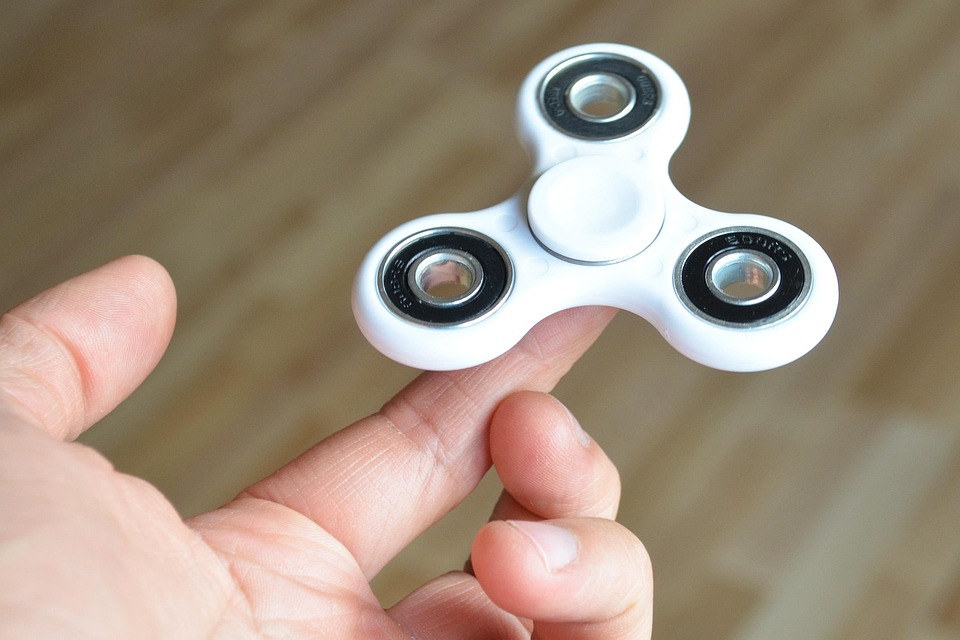

Fidgeting may seem like an innocuous habit. Many people dismiss it as a sign of nervousness or restlessness. However, recent studies reveal that fidgeting can actually serve as a powerful tool for enhancing daily metabolism. This phenomenon is particularly significant in an age where sedentary lifestyles dominate, leading to various health complications. The act of fidgeting offers a unique solution to combat the adverse effects of prolonged sitting and inactivity.

Individuals often struggle to maintain an active lifestyle due to busy schedules and various responsibilities. The challenge of fitting exercise into daily routines can be daunting. Fidgeting provides a simple yet effective way to keep the body engaged without requiring substantial time or effort. By incorporating fidgeting into daily life, individuals can harness its metabolic benefits while simultaneously addressing the psychological aspects of anxiety and stress.
The connection between fidgeting and metabolism may seem surprising, but it is grounded in scientific research. Small, involuntary movements can contribute to the total energy expenditure throughout the day. Understanding how to effectively implement fidgeting can lead to noticeable improvements in overall metabolic health. This guide will explore practical applications, common mistakes to avoid, and the underlying science that supports this fascinating relationship.
As we delve deeper into the benefits of fidgeting, it becomes essential to consider how to integrate this practice into daily life. Discovering the right techniques and understanding the science behind fidgeting can empower individuals to take control of their health in a manageable way.
Contents
How to Use Fidgeting for Real Results
- Best Form: Continuous small movements
- Best Time: Throughout the day
- Expected Result: Increased energy expenditure
For Daily Engagement
The Prep: Utilize a stress ball or fidget spinner. These items are easily accessible and can be used discreetly at work or home. Choose a texture that feels comfortable in your hand to enhance the experience. Consider the weight of the object as well; heavier items may require more effort and thus increase energy expenditure.
The Action: Begin by holding the stress ball or spinner in one hand. Squeeze or spin it for a few minutes every hour. You can alternate between hands to ensure both sides of your body benefit. Incorporate movements such as tapping your feet or shifting your weight from one side to the other while seated.
The Feeling: Initially, you may feel a slight tingling in your fingers from the constant movement. Over time, this sensation may evolve into a sense of alertness and focus. The duration of this effect can last for several hours after engaging in fidgeting activities.
Pro Tip: Keep a fidget tool on your desk or in your bag to remind yourself to fidget throughout the day.
Targeting Stress Relief
The Prep: Select a fidget cube or a textured surface, such as a piece of fabric with varying textures. This can help in managing anxiety while providing a tactile experience. Ensure the item is small enough to fit comfortably in your pocket or purse.
The Action: When feeling stressed, take out the fidget cube. Focus on the different sides and their unique functions. Spend about five minutes rotating through the various textures and buttons. Pair this with deep breathing exercises to maximize the calming effects.
The Feeling: You may experience immediate relief from anxiety as your mind focuses on the tactile sensations rather than stressors. The calming effect can continue for about an hour, helping to maintain a sense of tranquility.
Pro Tip: Use fidgeting as a tool during breaks to recharge your mental energy.
The Productive Session
The Prep: Choose a standing desk or a stability ball as your workstation. This encourages movement and engagement while you work. Ensure your workspace is arranged to promote easy access to fidgeting tools.
The Action: While working, alternate between sitting and standing every 30 minutes. Use the stability ball to engage your core muscles. Incorporate subtle movements like bouncing or rocking while seated or standing to keep the body active.
The Feeling: You will likely notice an increase in focus and productivity as you keep your body engaged. The sensation of continuous movement keeps the mind alert, which can help sustain energy levels throughout the work session.
Pro Tip: Set reminders on your phone to prompt you to switch positions and fidget regularly.
Mistakes to Avoid
Choosing Inappropriate Tools
Using fidgeting tools that are too distracting can hinder productivity. Selecting items that are overly noisy or large can draw attention and disrupt your surroundings. The ideal fidget tool should be discreet and enhance focus without becoming a source of disturbance.
Instead, opt for tools that allow for subtle movements. Stress balls, fidget cubes, and small spinners are excellent choices that keep hands busy while remaining relatively quiet. This enables you to fidget without drawing unwanted attention.
Neglecting Regular Movement
Fidgeting alone will not compensate for a completely sedentary lifestyle. Many individuals mistakenly believe that fidgeting will provide enough physical activity to offset long hours of sitting. While fidgeting contributes to energy expenditure, it should complement regular movement throughout the day.
Make it a point to incorporate scheduled breaks for walking or stretching. Aim for at least 30 minutes of moderate exercise daily, in addition to fidgeting. This combination will yield the best results for overall metabolism and health.
Overlooking Personal Comfort
Forgetting to consider personal comfort can lead to ineffective fidgeting. Many people choose tools based solely on popularity rather than what feels comfortable for them. Discomfort can detract from the benefits of fidgeting and may even lead to frustration.
Take time to explore different tools and movements. Find what feels best for you, whether it is a soft stress ball or a textured fidget spinner. Personal comfort is crucial for maintaining a consistent fidgeting practice.
The Science Behind Fidgeting
Fidgeting activates the sympathetic nervous system, which plays a crucial role in regulating metabolism. This activation leads to increased heart rate and energy expenditure. The small movements associated with fidgeting can elevate the basal metabolic rate, contributing to calorie burning even while at rest.
One key compound involved in this process is norepinephrine, a neurotransmitter that helps regulate arousal and energy levels. Increased fidgeting can stimulate the release of norepinephrine, which in turn can enhance metabolic processes and improve overall energy balance.
Clinical evidence supports the metabolic benefits of fidgeting. A study published in the journal “Obesity” demonstrated that individuals who engaged in more frequent small movements had significantly higher energy expenditure over time. For further details on this research, refer to this study.
Choosing the Right Product
- Potency: Ensure the product is designed specifically for fidgeting. High-quality materials enhance durability and effectiveness.
- Purity: Choose fidget tools free from harmful chemicals. This ensures safety during prolonged use.
- Form: Select a form that suits your lifestyle. Compact and portable options are ideal for on-the-go fidgeting.
Benefits vs Risks
| The Benefits | Potential Downsides |
|---|---|
| Increased energy expenditure | May distract from tasks if too intense |
| Improved focus and productivity | Some tools may not be discreet |
| Reduction in stress and anxiety | Over-reliance on fidgeting can lead to neglecting physical activity |
Habits to Enhance Fidgeting
Incorporate short bursts of physical activity into your routine. Taking brief walks during breaks can complement fidgeting and enhance overall metabolic health. This combination fosters a more active lifestyle and can counteract the effects of prolonged sitting.
Practice mindfulness techniques alongside fidgeting. Engaging in deep breathing or meditation can amplify the calming effects of fidgeting, creating a holistic approach to managing stress and enhancing focus.
Who Should Avoid This?
- Individuals with certain movement disorders
- People recovering from recent surgeries
- Those with severe anxiety that may worsen with fidgeting
Common Questions
Can fidgeting really help with weight loss?
Fidgeting can contribute to increased calorie burning, but it should not be viewed as a primary weight loss strategy.
Is there a specific type of fidget tool that works best?
The best fidget tool is one that feels comfortable and allows for subtle movements without causing distraction.
How often should I fidget?
Aim to incorporate fidgeting into your daily routine as often as you can, especially during sedentary activities.
Can fidgeting reduce anxiety?
Yes, many individuals find that fidgeting helps to alleviate stress and anxiety by providing a physical outlet for nervous energy.
The Bottom Line
Fidgeting can be a beneficial practice for enhancing metabolism and managing stress.
- The Truth: Fidgeting alone will not replace regular exercise.
- The Strategy: Incorporate fidgeting throughout your day to maximize benefits.
- The Next Step: Explore different fidgeting tools to find what works best for you.
Get Your FREE Natural Health Guide!
Subscribe now and receive our exclusive ebook packed with natural health tips, practical wellness advice, and easy lifestyle changes, delivered straight to your inbox.