
Massage therapy has long been celebrated as a restorative practice that not only alleviates physical tension but also enhances overall wellbeing. Many individuals struggle with poor circulation, which can manifest as fatigue, cold extremities, and even discomfort. This condition can be exacerbated by sedentary lifestyles, stress, and certain medical conditions. The good news is that massage therapy offers a powerful solution that can improve blood flow, reduce muscle tension, and promote relaxation.
When the body experiences improved circulation, it can better deliver oxygen and nutrients to tissues while removing waste products. This process is essential for maintaining optimal health and vitality. By integrating massage into your wellness routine, you can significantly enhance your circulation and overall wellbeing. Whether you seek relief from chronic pain or simply wish to boost your energy levels, massage therapy can be tailored to meet your specific needs.
The key to leveraging massage for better circulation lies in understanding the various techniques and approaches available. From Swedish and deep tissue massage to lymphatic drainage, each method serves a unique purpose. Learning how to effectively incorporate these techniques into your daily life can lead to transformative health benefits. The following sections will provide you with practical applications, common mistakes to avoid, and the science behind why massage is effective for circulation.
As you embark on this journey, consider how massage can fit into your lifestyle. Whether you choose to visit a professional therapist or practice self-massage at home, the benefits can be profound. By enhancing your circulation, you pave the way for improved physical and mental health, making it a worthwhile investment in your wellbeing.
Contents
How to Use Massage for Real Results
- Best Form: Swedish Massage
- Best Time: 30 to 60 minutes
- Expected Result: Enhanced blood circulation and relaxation
Daily Circulation Boost
The Prep: Begin by gathering essential oils such as peppermint or eucalyptus, known for their stimulating properties. A massage oil or lotion will also be beneficial for ease of application. Ensure a comfortable space with soft lighting and calming music to create a relaxing atmosphere.
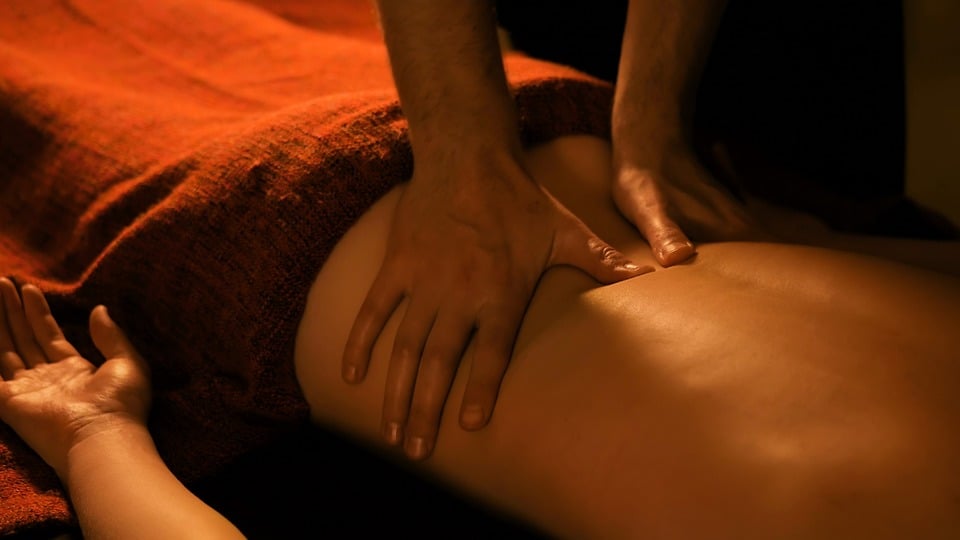
The Action: Warm a small amount of oil in your hands and apply it to your arms and legs. Use long, gliding strokes, applying gentle pressure. Focus on the larger muscle groups first, then move to areas where you feel tension. Incorporate circular motions on joints and areas of tightness. Spend at least 10 minutes on each limb.
The Feeling: You may experience a tingling sensation as blood flow increases. The warmth from the oil combined with your movements will create a soothing effect, lasting for several hours. This routine can be performed daily for optimal results.
Pro Tip: Adjust the pressure based on your comfort level to avoid discomfort.
Targeting Muscle Tension
The Prep: For this technique, gather a tennis ball or a foam roller. These tools will help target specific muscle knots that can impede circulation. Set up in a quiet area where you can easily access your back and legs.
The Action: Position the ball or roller under the tight muscle areas. Apply your body weight to create pressure on the knots. Roll slowly back and forth for 1 to 2 minutes on each area. Focus on spots that feel particularly tight, spending extra time there.
The Feeling: You may feel deep pressure or discomfort initially, but this will transform into relief as blood flow increases to the area. Expect a sense of lightness and relaxation afterward, which can last throughout the day.
Pro Tip: Stay hydrated before and after this practice to support muscle recovery.
Evening Relaxation Routine
The Prep: Prepare your favorite calming essential oils like lavender or chamomile. A warm bath or shower beforehand can enhance relaxation. Set up a quiet space with dim lighting to create a tranquil environment.
The Action: After your bath, apply the essential oil mixed with a carrier oil to your back, shoulders, and neck. Use gentle kneading motions, focusing on areas of tension. Incorporate slow, rhythmic strokes to promote relaxation and encourage blood flow.
The Feeling: You will likely experience a profound sense of calm and relaxation. The scent of the essential oils combined with the massage techniques will help ease your mind and body, making it an ideal way to wind down before sleep.
Pro Tip: Consider using a heated blanket or hot water bottle on your muscles post-massage for added comfort.
Avoiding Common Mistakes in Massage Practice
Neglecting Proper Technique
Many individuals overlook the importance of proper technique when performing self-massage. Using incorrect methods can lead to muscle strain or injury. It is crucial to learn the correct strokes and pressure levels for the specific areas you are targeting.
To avoid this mistake, consider watching instructional videos or attending a workshop. Understanding the anatomy of muscles will also enhance your effectiveness. This knowledge will enable you to apply the right amount of pressure and technique for your needs.
Using Inadequate Tools
Relying on inadequate tools or products can hinder your massage experience. Low-quality oils or tools may not provide the desired glide or therapeutic benefits. Always opt for high-quality massage oils and tools designed for the specific purpose of enhancing circulation.
Investing in good tools will not only improve your experience but also enhance the effectiveness of your massage. Research or ask for recommendations on the best products to use for your needs.
Overdoing It
Many individuals mistakenly believe that more is better. Over-massaging can lead to bruising and soreness instead of the intended relaxation and improved circulation. It is essential to listen to your body and limit the duration and intensity of each session.
To prevent this mistake, start with shorter sessions and gradually increase the duration as your body adapts. Focus on quality over quantity to achieve the best results without discomfort.
The Mechanisms Behind Massage Therapy
Massage therapy operates through several biological mechanisms that enhance circulation. When pressure is applied to muscles, it stimulates blood flow and encourages the release of toxins. This process not only improves circulation but also supports muscle recovery and overall health.
One key compound involved in this process is nitric oxide. This molecule plays a significant role in dilating blood vessels, which enhances blood flow and lowers blood pressure. Increased levels of nitric oxide can lead to improved oxygen delivery to tissues, promoting overall health.
Clinical studies have shown that massage therapy can significantly improve circulation and reduce muscle tension. Research indicates that regular massage can lead to long-term improvements in blood flow and overall wellbeing. For more detailed information, you can explore this link.
Choosing the Right Product
- Potency: Ensure the massage oil or lotion contains active ingredients known for their circulation-boosting effects. Potent products will yield better results in enhancing circulation.
- Purity: Look for products free from synthetic additives or harmful chemicals. Pure ingredients are safer for your skin and more effective in promoting health.
- Form: Consider whether you prefer oils, creams, or balms. Each form has unique properties that may influence your experience and effectiveness.
Understanding the Trade-offs
| The Benefits | Potential Downsides |
|---|---|
| Improved blood circulation | Possible soreness if overdone |
| Enhanced relaxation and stress relief | Time commitment for regular sessions |
| Support for muscle recovery | Requires knowledge of proper technique |
Complementary Lifestyle Habits
Incorporating regular physical activity into your routine is crucial for maintaining good circulation. Activities such as walking, swimming, or cycling stimulate blood flow and complement the benefits of massage therapy.
Mindfulness practices, such as yoga or meditation, can also enhance the calming effects of massage. These practices reduce stress and promote relaxation, further supporting improved circulation and overall wellbeing.
Who Should Avoid This?
– Individuals with severe cardiovascular issues.
– Those with open wounds or skin infections.
– Pregnant women without consulting a healthcare provider.
– People with certain chronic conditions should consult a doctor prior to massage therapy.
Common Questions
How often should I get a massage for circulation?
Frequency can vary based on individual needs. A general recommendation is once a week for maintenance, but this can be adjusted based on your specific situation.
Can self-massage be as effective as professional massage?
Self-massage can be effective, especially for maintaining circulation. However, professional therapists may offer deeper techniques and targeted treatments.
What type of massage is best for circulation?
Swedish massage is often recommended for enhancing circulation due to its long, flowing strokes that promote blood flow.
Is there any risk associated with massage therapy?
While generally safe, risks include soreness or bruising. It is essential to listen to your body and consult with a healthcare provider if you have concerns.
The Bottom Line
Massage therapy offers a holistic approach to enhancing circulation and overall wellbeing.
- The Truth: Results may vary based on individual health conditions.
- The Strategy: Aim for regular sessions tailored to your needs.
- The Next Step: Incorporate daily movement to complement your massage routine.
Get Your FREE Natural Health Guide!
Subscribe now and receive our exclusive ebook packed with natural health tips, practical wellness advice, and easy lifestyle changes, delivered straight to your inbox.