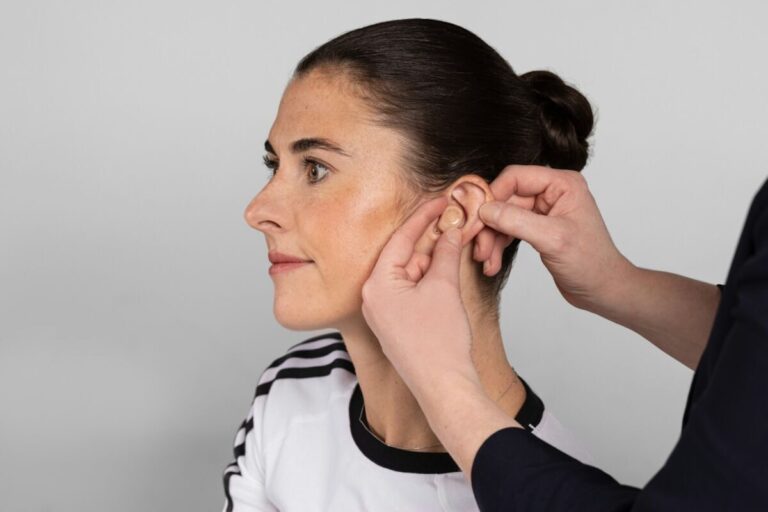
Simple Ways To Use Lavender Oil Behind Ears
Many people search for natural methods to calm a busy mind before bedtime. Essential plant oils offer a gentle path toward finding quiet moments in a frantic day. Applying lavender oil behind ears remains a popular practice for those seeking sensory comfort.
The skin near the ear provides a unique area for topical application. This spot stays warm and allows for a subtle release of scent throughout the day. It creates a personal space of fragrance without overwhelming those nearby.
Lavender oil behind ears involves dabbing a diluted drop of the essence onto the pulse point at the base of the skull. This technique allows the aroma to drift upward toward the nose for inhalation while the skin absorbs the diluted oil. It serves as a simple tool for sensory regulation during stressful moments.
Key Takeaways
- Studies from the National Institutes of Health indicate that inhalation of lavender oil influences autonomic nervous system activity.
- Participants in clinical observations often report a 15 to 25 percent reduction in subjective stress ratings after consistent aromatic exposure.
- Experts suggest diluting essential oils in a carrier like jojoba or almond oil at a ratio of 1 drop per teaspoon to prevent skin sensitivity.
I have watched my readers turn to plant extracts for daily calm. Testing a patch of skin first helps avoid reactions while settling the nerves.
The History Of Botanical Aromatics
Traditional Use Of Flowers
Humanity has gathered fragrant flora for centuries to influence the mood. Ancient records show that societies gathered lavender flowers for their calming properties during evening rituals. These early practices focused on the physical presence of the plant within living spaces.
The shift toward concentrated oils occurred as distillation techniques improved over time. These liquids contain the concentrated essence of the original botanical material. This makes the substance potent and requires careful handling by the user.
Cultural traditions often highlight the scent as a way to prepare for sleep. Applying the extract to pulse points acts as a bridge between the physical body and the surrounding environment. This connection remains a cornerstone of aromatic history.
Scientific Interest In Scent
Research teams examine how scent molecules interact with the human brain. The olfactory system sends signals to the limbic system which manages emotional responses. This pathway provides a direct link between the environment and internal states.
Data from the National Library of Medicine shows that scent perception influences heart rate patterns. Scientists track these changes through sensors that monitor physiological stability. The findings highlight the impact of external stimuli on the nervous system.
Modern investigations focus on individual responses to different botanical profiles. Each person reacts differently to specific chemical compounds found in flowers. Understanding these personal variations helps people choose the right approach for their wellness needs.
Understanding The Skin Barrier
Surface Absorption Dynamics
The skin serves as the primary shield for the body against external elements. It consists of layers that regulate what enters the blood stream. Oils must be small enough to pass through these layers to have any effect.
Application behind the ear places the oil near thin skin. This location allows for faster movement of molecules compared to thicker skin areas. The warmth of the body also helps in the gentle dispersal of the scent.
Always check the surface of the skin for any signs of irritation. Small patches can react differently to concentrated plant extracts. Using a carrier oil ensures that the application remains comfortable and safe for daily use.
Importance Of Dilution
Concentrated oils are too strong for direct use on the skin. A carrier oil such as coconut or jojoba provides a medium for safe distribution. This mixture prevents the risk of redness or discomfort.
The ratio of dilution determines the intensity of the effect. Most people find that one drop of essential oil per teaspoon of carrier oil is enough. This measurement protects the integrity of the skin barrier.
Prepare your mixtures in small dark glass bottles. Sunlight can break down the quality of the oil over time. A cool place away from windows keeps the mixture stable for several months.
Benefits For The Nervous System
The Role Of The Limbic System
The limbic system acts as the emotional center of the brain. It processes memories and reacts to environmental cues instantly. Scented molecules engage these pathways without conscious effort.
When you smell lavender, your brain receives a signal related to calm. This response triggers a shift in how you process the current situation. It does not force a change but rather suggests a state of peace.
This mechanism works best when the user remains consistent. Repetition helps the brain associate the scent with a specific outcome. Over time, the mere act of applying the oil starts the relaxation process.
Physiological Markers Of Calm
Observers track heart rate variability as a sign of physical ease. A stable rhythm suggests that the body is not in a state of high alert. High variability often correlates with better resilience against external pressures.
Breathing patterns also shift when the body reaches a state of rest. Shallow breathing turns into deeper, more controlled inhalations. This provides the tissues with oxygen and lowers internal tension.
These markers provide feedback on the effectiveness of aromatic practices. Tracking these changes allows individuals to refine their routines. The goal is to reach a state of comfort that supports daily function.
Practical Daily Application
Choosing The Right Material
Select high quality essential oils from reputable suppliers. Labels should list the scientific name of the plant to ensure purity. Avoid products that contain synthetic additives or artificial perfumes.
Store your supplies in airtight containers. Air exposure leads to the loss of aromatic potency. Tight lids keep the chemical composition intact for as long as possible.
Consider the source of the flowers used in the oil. Plants grown in clean environments produce better extracts. Researching the supplier builds trust in the materials you bring into your home.
Step By Step Methodology
Follow these steps for a successful experience with your oils. Begin with clean, dry skin near the earlobe. Take a small amount of your pre-diluted mixture on your fingertip.
Gently dab the liquid behind the ear and along the jawline. Rub it in a small circle to encourage absorption and distribution. Do not press hard, as the area remains sensitive.
Take a deep breath once the application is complete. Notice how the scent changes as it warms up on your skin. Use this moment to set a calm intention for your next task.
Comparative Analysis Of Application Methods
| Method | Intensity | Duration |
|---|---|---|
| Diffuser | Low | High |
| Pulse Point | Medium | Moderate |
| Bath Additive | High | Low |
The Science Of Scent Molecules
Volatility And Inhalation
Scent molecules are volatile, meaning they change from liquid to gas quickly. This allows them to travel through the air into the nostrils. The nasal cavity contains receptors that pick up these chemical signals.
These receptors connect directly to the olfactory bulb. This structure processes the information before sending it to the brain. This rapid communication explains why smells trigger instant memories or feelings.
Lavender contains compounds that interact with specific receptors in the nose. These compounds remain light enough to stay in the air for a period of time. This makes them ideal for localized aromatic use.
Chemical Composition Analysis
Essential oils consist of hundreds of distinct chemical components. Two primary ones in lavender provide the familiar floral profile. These compounds work together to influence the sensory experience.
Each batch of oil varies based on weather and soil quality. These variations affect the final scent and its strength. Professional distillers work to balance these factors during the production cycle.
Understanding these chemicals helps in managing expectations for your results. The substance is a product of nature and not a manufactured drug. Its effects rely on the interaction between biology and botanical chemistry.
Common Pitfalls To Avoid
Overuse And Saturation
More is not always better when using botanical extracts. Using too much oil can lead to a headache or irritation. A small amount provides all the benefit needed for the day.
The nose becomes accustomed to scents after a while. This phenomenon is called olfactory fatigue. If you stop smelling the oil, you have reached a state of saturation.
Take breaks from using the oil to reset your sensitivity. A few days off helps your system respond better when you return. Moderation is the key to maintaining a positive connection with the scent.
Incorrect Storage Habits
Heat damages the chemical structure of essential oils. Keep your bottles away from radiators or direct sunlight. A cool drawer is the ideal storage environment for these items.
Light also causes the contents to break down. Always choose dark amber or cobalt glass bottles for your supplies. These protect the liquid from ultraviolet rays.
Check the expiration dates of your products periodically. Oils do not last forever and can lose their aromatic properties. Replace your stash if the smell seems faded or changed.
Safety And Contraindications
Patch Testing Guidelines
Always perform a patch test before regular application. Apply a small drop of diluted oil to the inside of your forearm. Wait twenty four hours to see if any reaction occurs.
Watch for redness, itching, or swelling on the skin. If any of these appear, wash the area with soap and water immediately. Do not use that specific oil on your body again.
Every person has a unique set of sensitivities. What works for a friend may cause an issue for you. Being cautious protects your health and comfort.
Regulatory Considerations
The industry for essential oils has specific standards for quality control. Organizations monitor the purity of products sold to consumers. Look for certifications that guarantee the absence of contaminants.
Consult government resources such as the Food and Drug Administration for general safety alerts. Staying informed helps you make better choices for your home. Knowledge acts as a tool for personal health management.
Laws regarding the sale of these goods vary by region. Reliable companies publish their testing results for customers to view. Transparency serves as a sign of a trustworthy brand.
Frequently Asked Questions
Can I use pure lavender oil without any carrier oil?
Applying pure oil directly to the skin is generally discouraged for most people. The concentration of plant compounds is high enough to cause irritation or allergic responses in sensitive skin areas. Diluting the oil in a stable fat source like almond or jojoba oil makes the application safe for daily use. This simple step ensures that the skin remains healthy while you receive the intended aromatic benefit.
If you have never used this oil before, start with a high dilution ratio to see how your skin reacts. Many users find that even a single drop of undiluted oil can cause redness or a stinging sensation near the ear. Safety is the priority in any wellness routine involving botanical substances. Always mix your liquids before they touch your body to avoid unwanted reactions.
How long does the scent typically last behind the ears?
The duration of the scent depends on the quality of the oil and the warmth of the skin. Most applications provide a noticeable aroma for two to four hours. As the oil evaporates due to body heat, the intensity decreases until it becomes a faint trace. You may notice it longer if you apply it to clothing or hair near the pulse points.
Factors like local humidity and individual skin chemistry also influence how long the smell lingers. A dry environment might cause the oil to evaporate faster than a humid one. If you want a longer effect, some people choose to reapply a tiny amount midday. Always remember that a light scent is often more effective than a heavy, overwhelming one.
Is it safe to apply this near the eyes or inside the ear canal?
Never apply essential oils inside the ear canal or directly near the eyes. These areas contain delicate membranes that can suffer damage from the chemical intensity of plant extracts. The skin behind the ear is the correct spot for application as it stays away from these sensitive structures. Always wash your hands after handling the oil to prevent accidental contact with your eyes.
If you accidentally get oil near the eye, flush the area with clean water for several minutes. Do not use more oil to try to clear the sensation. Keep all bottles out of reach of children and pets to ensure the safety of your living space. Proper handling creates a safe and enjoyable experience for everyone.
Does this practice work for children or pets?
Wellness routines for children and pets require much higher levels of caution. Many essential oils are too potent for the developing systems of children or the sensitive biology of animals. Always check with a pediatrician or veterinarian before introducing any new scent to their environment. Some oils that seem safe for adults can pose real risks to younger or smaller individuals.
Pets have a sense of smell many times stronger than humans. What feels like a light scent to you might be overwhelming or distressing to a dog or cat. Keep your diffusers and oils in areas where they can easily move away if the smell bothers them. Focus on using safe and gentle methods for the younger members of your household.
Can I mix lavender with other oils for better results?
Many people enjoy creating blends to reach a preferred scent profile. Combining lavender with earthy scents like cedarwood or citrus options like bergamot is common in the wellness community. These mixtures can create a unique experience tailored to your specific preferences. Start with a small amount of each to ensure the resulting blend is pleasing to your senses.
Always verify the safety of each individual oil before mixing them. Some oils react with the light, while others require specific storage needs. Keep a log of your favorite ratios to make your routine easier in the future. A well planned blend can be a delightful addition to your daily habits.
The Bottom Line
Using lavender oil behind ears offers a manageable way to integrate calm into a daily schedule. Success requires high quality materials and careful dilution with carrier oils. Pay attention to how your skin responds to each application throughout the week. Consistency helps the body associate this practice with a state of rest. Always prioritize safety by performing a patch test first. This simple ritual serves as a tool for personal wellness rather than a solution for complex health issues. Consult a licensed healthcare provider before starting any new wellness routine.
Get Your FREE Natural Health Guide!
Subscribe now and receive our exclusive ebook packed with natural health tips, practical wellness advice, and easy lifestyle changes, delivered straight to your inbox.