
Contents
A Sweet Discovery
I remember the first time I tasted honey straight from the hive. It was at a local farmer’s market, where the vendor, a passionate beekeeper, offered samples of his golden treasure. The moment it touched my tongue, I was overwhelmed by its rich, complex flavors—a world apart from the sugary syrups I had grown up with. Little did I know then that honey would not only be a delightful addition to my kitchen but also a potential ally for my brain health.
Honey’s allure goes beyond its taste; it has been revered for centuries across cultures for its medicinal properties. But can this natural sweetener truly energize our minds? Let’s explore the science, history, and practical applications of honey and its role in enhancing cognitive function.
The Science Behind Honey
Honey is primarily composed of sugars—fructose and glucose—along with various vitamins, minerals, and antioxidants. These elements work in harmony to provide not only energy but also potential health benefits. A study published in the Journal of Medicinal Food found that honey has antioxidant properties, which can help protect the brain from oxidative stress, a contributor to cognitive decline (1).
Natural Energy Booster
Honey’s quick energy release is one of its standout features. Unlike refined sugar, which can lead to energy spikes and crashes, honey provides a more stable energy source. The combination of glucose and fructose allows for immediate energy release and prolonged stamina. For instance, athletes often use honey as a natural energy gel during endurance events. A study from the International Journal of Sports Nutrition and Exercise Metabolism found that honey is as effective as commercial sports gels in maintaining blood sugar levels during exercise (2).
Cognitive Benefits
Research suggests that honey may have specific benefits for cognitive function. A study conducted on rats indicated that honey consumption improved memory and learning capabilities, possibly due to its antioxidant properties (3). While more research is needed to confirm these findings in humans, the implications are intriguing.
Practical Applications of Honey for Brain Health
Incorporating honey into your diet can be as simple as drizzling it over your morning oatmeal or stirring it into your herbal tea. However, there are more targeted ways to harness its benefits for cognitive enhancement.
1. Honey and Herbal Teas
Combining honey with herbal teas can create a soothing drink that not only warms you up but also energizes your mind. For example, chamomile tea is known for its calming effects, while green tea is packed with antioxidants. Adding a spoonful of honey can elevate the flavor and provide an additional energy boost.
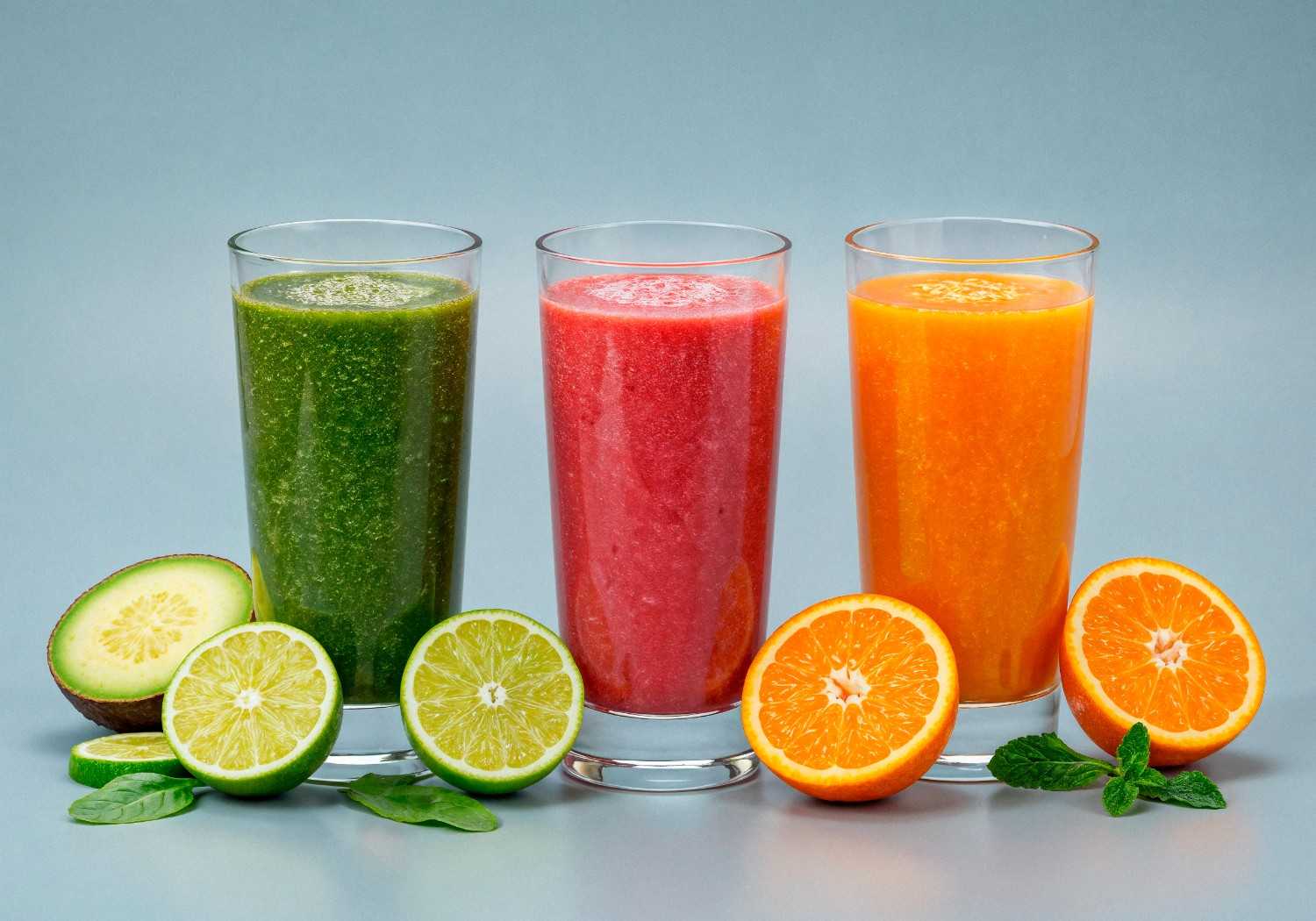
2. Honey-Infused Smoothies
Smoothies are a popular choice for breakfast or a quick snack. By blending honey with fruits like bananas and berries, you create a delicious, nutrient-packed drink. The natural sugars from the fruits, combined with honey, can help sustain energy levels throughout the day.
3. Baking with Honey
If you enjoy baking, consider substituting refined sugar with honey in your recipes. Honey not only adds moisture and flavor but can also enhance the nutritional profile of your baked goods. Just remember to reduce the liquid in your recipe, as honey is a liquid sweetener.
4. Honey and Nut Combinations
Pairing honey with nuts like walnuts or almonds can create a brain-boosting snack. Nuts are rich in healthy fats, protein, and vitamin E, which have all been linked to improved cognitive function. Drizzling honey over a handful of mixed nuts creates a satisfying and energizing treat.
5. Honey and Yogurt
Yogurt topped with honey and fresh fruits provides a balanced snack or light meal. The probiotics in yogurt support gut health, while honey adds sweetness and energy. This combination can help you stay alert and focused throughout the day.
Cultural and Historical Context
Honey has been a staple in various cultures for thousands of years. Ancient Egyptians used it in rituals and as a sweetener, while Greek philosophers praised its health benefits. The Ayurvedic tradition in India regards honey as a vital component of a balanced diet, believing it to possess healing properties.
In many cultures, honey is associated with wisdom and knowledge. The phrase “busy as a bee” highlights the industriousness of bees, which are crucial for pollination and the production of honey. This cultural reverence for honey adds another layer to its appeal as a brain food.
Myths and Misconceptions
Despite honey’s many benefits, some myths persist. One common misconception is that honey is a healthy alternative to all forms of sugar. While honey does offer more nutrients than refined sugar, it is still a form of sugar and should be consumed in moderation. Overconsumption can lead to weight gain and other health issues.
Another myth is that all honey is created equal. The quality of honey can vary significantly based on its source. Raw, unprocessed honey retains more nutrients and enzymes than heavily processed varieties. It’s essential to choose high-quality honey to reap its maximum benefits.
Counterpoints and Caveats
While honey has its advantages, it’s crucial to approach it with a balanced mindset. Some studies indicate that excessive consumption of high-glycemic foods, including honey, can lead to insulin resistance and other metabolic issues (4). For individuals with diabetes or those monitoring their sugar intake, consulting with a healthcare provider before making honey a staple is advisable.
Moreover, while honey’s antioxidant properties are promising, not all honey is created equal. Factors like the floral source and processing methods can influence its antioxidant capacity. It’s essential to opt for raw, local honey whenever possible to maximize its health benefits.
Personal Observations
In my own experience, integrating honey into my diet has had noticeable effects. On days when I start with honey-infused tea or a smoothie, I feel more focused and energized. Yet, I’ve also learned the importance of moderation. Overindulgence can lead to that dreaded sugar crash, reminding me that balance is key.
FAQs
1. Is honey safe for everyone to consume?
While honey is generally safe for most people, it should not be given to infants under one year old due to the risk of botulism. Individuals with diabetes or those monitoring their sugar intake should consult a healthcare provider.
2. How much honey should I consume daily for brain health?
Moderation is crucial. A teaspoon or two of honey per day can provide benefits without excessive sugar intake.
3. Can honey help with anxiety or stress?
While honey has calming properties when combined with herbal teas, it should not replace professional treatment for anxiety or stress.
4. What is the best way to store honey?
Store honey in a cool, dark place in a tightly sealed container. It has an indefinite shelf life if stored properly.
5. Are there any side effects of consuming honey?
In moderation, honey is safe for most people. However, overconsumption can lead to weight gain and spikes in blood sugar levels.
Conclusion
As I reflect on my journey with honey, I find it fascinating how a simple natural sweetener can have such profound implications for our cognitive well-being. While honey may not be a miracle cure, its potential benefits for brain health are worth considering. By integrating this golden elixir into our diets thoughtfully, we can enjoy not just its sweetness but also the energy and vitality it promises.
Whether you’re looking to enhance focus during a busy workday or simply enjoy a delicious treat, honey’s natural sweetness can be a delightful addition to your lifestyle. So, why not give it a try? You might just find that it energizes your mind in ways you never expected.
References
- Al-Waili, N. S. (2004). “Honey and Health: A Review of the Medicinal Uses of Honey.” Journal of Medicinal Food. Link
- McNab, J. (2016). “Honey as a Natural Sports Gel.” International Journal of Sports Nutrition and Exercise Metabolism. Link
- Abd El-Aziz, A. M., et al. (2018). “Honey and its Neuroprotective Effects.” Journal of Functional Foods. Link
- Hu, F. B., et al. (2014). “Dietary Sugar and Diabetes: A Scientific Review.” JAMA Internal Medicine. Link
Disclaimer: This article is for educational purposes only and does not replace professional medical guidance. Always speak with a qualified healthcare provider before making changes to your health routine.
Get Your FREE Natural Health Guide!
Subscribe now and receive our exclusive ebook packed with natural health tips, practical wellness advice, and easy lifestyle changes, delivered straight to your inbox.