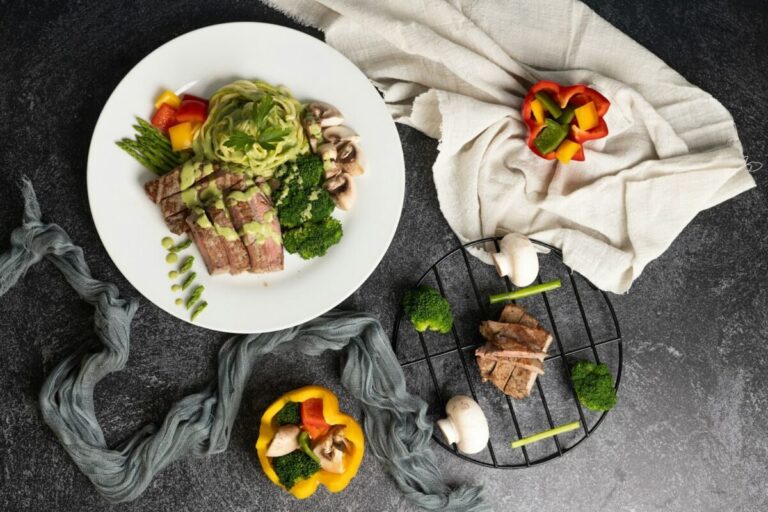
Simple Methods For Sprinkling Moringa On Salad
Fresh greens often need a savory addition to provide depth and satisfaction. Many people rely on heavy dressings or bacon bits to liven up a bowl of leaves. Dried leaf powder from a resilient tree native to parts of Asia and Africa offers a different path.
This green dust brings a sharp earthy profile to standard garden vegetables. It serves as a dense source of nutrients that integrates easily into daily meals. You can add a spoonful to your bowl for a nutritional shadow that stays light on the palate.
Sprinkling moringa on salad involves dusting one half teaspoon of finely ground dried leaves over your prepared vegetables. This amount adds a distinct peppery flavor while supplying iron and vitamins without interfering with the texture of your greens. Most home cooks find that this ratio keeps the dish palatable while offering a gentle intake of plant minerals.
Key Takeaways
- Raw leaf powder contains approximately 25 percent protein by weight with all nine essential amino acids.
- Clinical studies published by the National Library Medicine note high levels of polyphenols in the foliage.
- Typical serving sizes range from 2 to 6 grams daily to avoid digestive changes in sensitive individuals.
I started adding a pinch of dried green powder to my lunch bowl three years ago and found the steady afternoon energy levels quite consistent.
Nutritional Composition Of The Green Powder
The Role Of Plant Minerals
The leaves of this tree contain significant amounts of essential elements that support body functions. Calcium and potassium reside in high density within the dried structure. Data from the National Institutes Health confirms that these minerals support fluid balance in cells.
You obtain these building blocks in a concentrated form. Unlike synthetic pills, the powder provides a matrix of fiber alongside the minerals. This allows for a steady release of nutrients during the digestion process.
Vitamin Content And Biological Availability
Vitamin A and C are present in raw leaf tissue. These compounds assist with cellular maintenance and skin integrity. The fat soluble nature of Vitamin A means that eating your greens with a light olive oil dressing helps your body process the added powder effectively.
Absorption remains efficient when combined with healthy lipids. You do not need to consume large quantities to observe the benefits. A small sprinkle provides a notable density of these vital molecules.
Comparing Green Additions To Your Daily Bowl
| Green Addition | Protein Percentage | Primary Benefit |
| Leaf Powder | 25 Percent | Mineral Density |
| Wheatgrass | 18 Percent | Chlorophyll Content |
| Spirulina | 60 Percent | B12 Support |
Strategies For Integrating The Powder Into Meals
Texture matters when you prepare a meal. You want to ensure the dust coats the leaves rather than settling at the bottom of the bowl. Incorporating the substance into an emulsified dressing is the most effective approach.
- Emulsion Method: Mix the powder directly into your lemon juice and oil mixture before tossing the salad. This ensures an even coating on every leaf.
- Direct Garnish: Use a fine mesh strainer to dust the leaves after you have applied your dressing. This prevents clumps and maintains a visually pleasing appearance.
- Nut-Based Topping: Combine the green powder with crushed walnuts or sunflower seeds. This creates a savory crunch that bridges the gap between earthy and salty profiles.
Biological Factors And Serving Suggestions
Understanding The Palate Impact
The flavor profile of the leaf powder carries notes of mustard greens and matcha. It is slightly bitter with a sharp finish. You can balance this by using sweeter salad components like sliced pears or roasted beets.
Heavy vinegar dressings often mask the flavor well. If you prefer a milder taste, start with a tiny pinch. You can increase the amount as you become accustomed to the intensity.
Physiological Timing And Digestion
Fiber content in the leaves aids movement in the gut. Some individuals may experience stomach sensitivity if they ingest too much too quickly. Introduce the powder gradually over a period of two weeks.
Hydration is vital when increasing your fiber intake. Drink plenty of water throughout the day to support the process. Your body will signal the right amount based on your comfort levels.
Mathematical Approach To Nutrient Density
Consider the caloric and nutrient ratio when building a bowl. If you combine 100 grams of spinach with 5 grams of this green powder, you add roughly 15 calories to your meal. You also gain significant iron content that spinach alone cannot provide.
Calculation check: 5 grams of powder contributes 15 percent of the daily requirement for iron in an average adult. This makes it an efficient addition for plant based meals. You maximize the output of your lunch without adding bulk or refined sugars.
Source Quality And Proper Storage
The method of drying matters for nutrient retention. Look for shade dried options to preserve the green pigment. Sunlight destroys sensitive vitamins during the processing phase.
- Opaque Containers: Store the powder in a dark glass jar away from heat sources. This prevents the degradation of active compounds.
- Seal Integrity: Keep the lid tightly closed to block moisture. Clumping indicates that the product is losing its potency.
- Source Verification: Choose suppliers who provide testing data on their website. Check for heavy metal screening and bacterial control logs from the Food Drug Administration for safe sourcing.
Addressing Potential Nutrient Gaps
Modern diets often lack variety in mineral dense foliage. Adding this powder acts as a bridge for these gaps. It provides a dense profile of phytochemicals that are often missing from processed food items.
These components act as internal stabilizers. They support the resilience of your physical systems over time. You benefit from a more balanced internal environment by diversifying your daily vegetable intake.
Frequently Asked Questions
Can I heat the powder with cooked vegetables instead?
Cooking the powder changes the structural nature of the vitamins. High heat can reduce the presence of sensitive compounds like Vitamin C. It remains most effective when added as a garnish to fresh, room temperature, or cold vegetables.
If you prefer cooked greens, add the powder after the heat source has been removed. This approach allows the flavor to remain vibrant and the nutrients to stay intact. It provides a fresher experience than boiling or steaming the foliage.
Will this additive interact with my current supplement routine?
This leaf powder contains high levels of naturally occurring nutrients. It acts primarily as a food source rather than a pharmacological intervention. However, it does possess a high concentration of Vitamin K, which influences blood coagulation.
If you use substances meant to influence blood markers, proceed with caution. The concentration of iron and minerals in the plant can be potent in large amounts. Always coordinate your dietary shifts with a qualified practitioner to ensure personal safety.
How much is safe for daily consumption?
The industry consensus suggests that a modest amount is best for routine health. Most people find that one half teaspoon to one teaspoon per day works well. This provides a significant dose of minerals without overwhelming the digestive tract.
Monitor your reaction to the powder for several days when you first begin. Some people find that their gut needs time to adjust to the fiber density. Adjust your intake down if you experience bloating or discomfort, then try to increase the amount slowly.
Does the powder go bad over time?
Dried leaves have a shelf life if managed correctly. They generally remain fresh for six months after opening when stored in a cool dry space. Moisture is the primary enemy of dried botanical powders.
You can identify degraded product by a change in color. If the vibrant green fades to a dull brown, the nutrient quality has likely diminished. Dispose of any powder that shows signs of mold or smells stale.
Can children or elderly individuals use this additive?
The powder is a whole food ingredient that most people consume without incident. It provides valuable micronutrients for growing bodies and aging systems alike. It remains a safe way to add density to everyday meals for most healthy individuals.
Those with specific health concerns should exercise standard precautions. Anyone with thyroid issues or kidney constraints should verify their intake levels. Always rely on professional guidance when integrating new substances into your health routine.
The Bottom Line
Adding nutrient dense foliage to your greens creates a simple way to improve your daily intake. Use high quality sources to ensure safety and potency. Sprinkling moringa on salad remains an effective way to support your physical wellness through natural food sources. Consult a licensed healthcare provider before starting any new wellness routine.
Get Your FREE Natural Health Guide!
Subscribe now and receive our exclusive ebook packed with natural health tips, practical wellness advice, and easy lifestyle changes, delivered straight to your inbox.