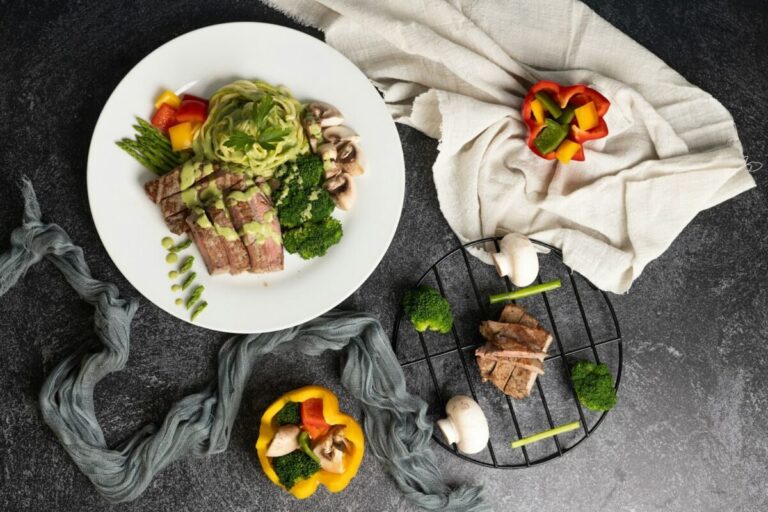
Crafting Your Moringa Pesto Recipe
Dinner time often feels like a rush to find something fast yet nutritious. Many people lean on traditional basil sauces but rarely consider how simple plant greens change the profile of a meal. Adding dried or fresh drumstick tree leaves to your standard sauce provides a different earthy note and a fresh source of plant compounds.
We find that integrating these dense greens into evening meals helps bridge the gap between convenience and nourishment. This approach keeps preparation times low while keeping nutrient intake high. Consistency remains the best indicator of long term health outcomes for busy families.
To create this dish, blend two cups of fresh moringa leaves with a half cup of walnuts, two cloves of garlic, a half cup of olive oil, and a quarter cup of parmesan cheese. Pulse these ingredients in a food processor until the mixture reaches a smooth consistency. Serve this sauce immediately over warm pasta or store it in the refrigerator for up to three days.
Key Takeaways
- Moringa leaves contain significant amounts of vitamin A and C based on reports from the National Institutes of Health.
- Standard portions of leafy greens can provide up to 20 percent of daily fiber needs according to data from the United States Department.
- Replacing traditional basil with these greens creates a mineral dense sauce that maintains stable blood sugar levels as cited by the Centers for Disease.
I started adding tree leaf powders to my sauces three years ago. My energy levels during afternoon lulls improved significantly since I made this small adjustment.
Nutritional Value Of Moringa Leaves
Comparing Leafy Green Profiles
Botanical studies show that drumstick tree foliage holds a different chemical makeup than common herbs like basil. The leaves possess high concentrations of plant proteins and amino acids that support muscle maintenance. These compounds remain stable even when blended into cool sauces.
Standard basil provides aromatics but offers less in the way of trace minerals. Moringa brings iron and calcium to the table in higher quantities per serving. This makes the substitution a practical choice for those wanting more value from their side dishes.
The fiber content in these leaves helps regulate digestion when consumed with heavy grains. Pasta lovers benefit from this addition as it slows the absorption of starch into the blood stream. This small change creates a smoother transition from meal to energy production.
Absorption And Bioavailability
Body systems absorb nutrients best when they arrive through whole food sources. Blending the leaves with healthy fats like olive oil helps the body access fat soluble vitamins. This technique is a common practice in Mediterranean cooking traditions.
The fat matrix allows specific pigments and antioxidants to move through the gut wall more efficiently. Without the oil, some plant nutrients pass through the system without providing benefits. Pairing the greens with nuts ensures the sauce delivers a complete profile of healthy fats.
Consistent intake of these nutrients supports regular cellular function over time. You do not need large quantities to see shifts in how your body feels after a meal. Smaller, steady amounts consumed several times a week yield better results than occasional large servings.
Selecting Fresh Or Dried Ingredients
| Ingredient | Moringa Leaves | Basil Leaves |
| Protein Density | High | Low |
| Iron Content | Significant | Minimal |
| Aroma Profile | Earthy | Peppery |
The Role Of Moringa Pesto Recipe In Daily Diet
Balancing Macro Nutrient Ratios
Pasta meals often lean heavy on carbohydrates and lack the fiber needed to keep hunger away. Adding a green sauce allows you to balance the plate without sacrificing the comfort of a warm meal. You gain texture and weight without needing extra calories.
Proteins found in the leaves assist in building a more balanced nutritional profile. Each serving adds about three grams of plant protein to the bowl. This contributes to the total daily requirement for active adults.
Fiber acts as a key player in gut health by feeding the friendly bacteria in the lower digestive tract. A high fiber diet links directly to better weight management and heart function. Integrating this sauce twice a week offers a simple way to increase daily fiber intake.
Managing Meal Preparation Time
Most home cooks spend too much time chopping and dicing during the dinner rush. This recipe reduces labor by using a processor to handle the breakdown of fibers. The machine does the work in under sixty seconds.
Cleaning the leaves requires only a quick rinse and air dry. Once prepped, they store in the fridge for several days until you need them. This batch preparation keeps your schedule flexible during the week.
You can serve the sauce warm or cold depending on the pasta type used. Whole wheat varieties hold the texture better than refined white flour types. Use high quality oil to ensure the sauce coats the grains evenly.
Understanding Plant Based Minerals
Calcium And Iron Contributions
Plant minerals play a vital role in bone health and oxygen transport within the body. Moringa leaves provide a reliable source of these essential elements for people who avoid dairy or meat. Iron intake remains a common challenge for many adults today.
Calcium needs to be paired with other nutrients to ensure proper absorption into the skeletal structure. The leaves contain small amounts of supporting vitamins that make this process easier. You get a natural delivery system within each spoonful of sauce.
Regular consumption supports the ongoing need for these building blocks. You should aim for a variety of green sources throughout the week to maximize exposure. This variety protects against deficiencies that arise from eating only one type of plant food.
Preventing Deficiencies Through Variety
Relying on a single vegetable source for all your vitamins is rarely a good strategy. Nature provides a wide array of options that cover different needs. Rotating your green sources helps ensure you cover the full spectrum of trace elements.
This sauce fits well into a diverse meal plan that includes other seasonal vegetables. Think of the sauce as a base for other additions like cherry tomatoes or sautéed mushrooms. The earthy flavor profile pairs well with many other garden staples.
Health maintenance relies on the collective impact of all the food you eat over a month. One single ingredient will not resolve health issues on its own. Using these leaves as part of a larger plan works best for sustained wellness.
Common Mistakes When Preparing Sauces
Overheating The Delicate Greens
Cooking at high temperatures can damage the structure of the nutrients found in fresh leaves. You must add the sauce to the pasta only after the pot is off the burner. This keeps the heat low enough to protect the delicate oils.
Steam from the hot pasta will warm the sauce sufficiently without causing thermal breakdown. If you must reheat, do so slowly on low heat settings. Avoid the microwave as it creates uneven hot spots that destroy the texture.
Keep the color of the sauce bright green. If the color turns dark or brown, the chlorophyll and enzymes have degraded from too much heat. This indicates a loss of potential nutrient quality.
Improper Storage And Oxidation
Freshly blended sauces lose their quality quickly if left out on the counter. The air interacts with the ingredients and causes flavor shifts. Always transfer leftover sauce into a glass jar and seal it tightly.
Covering the surface of the sauce with a thin layer of olive oil prevents air contact. This is an old technique that keeps the sauce fresh for longer periods. It also keeps the color vibrant even after two days in the fridge.
Do not store the sauce in metal containers as this can alter the flavor. Glass or food safe plastic are the standard for maintaining freshness. Check the scent before using any leftovers to ensure the fats have not turned rancid.
The Mathematical Approach To Portioning
You can calculate the exact nutrient density of your meal using a simple ratio. One cup of fresh leaves equals approximately five grams of fiber and two grams of protein. For a standard four person dinner, use four cups of leaves.
Each serving then provides one and a quarter cups of greens. This volume matches the recommended intake for a single meal portion. You can adjust the oil and nuts based on your personal calorie budget.
If you prefer a lighter sauce, increase the water content and reduce the oil. If you need more calories for an active lifestyle, increase the walnut count. This flexible math allows you to tailor the recipe to your daily needs.
Frequently Asked Questions
Is it safe to consume these leaves every day?
Most healthy adults can consume these leaves in moderate amounts as part of a standard diet. They function like other leafy greens such as spinach or kale and do not pose risks when used in food portions. You should listen to your body and notice how your digestion responds to the introduction of more fiber.
People with specific health histories should observe caution. The leaves have properties that can influence blood sugar or blood pressure readings over time. If you take medication for these conditions, talk to a professional about how to include new greens in your routine.
Can I freeze the pesto for later use?
Freezing is an excellent way to maintain the freshness of your sauce for several months. Pour the mixture into ice cube trays and freeze until solid. Once frozen, move the cubes into a freezer safe bag to save space.
To use, drop one or two cubes into hot pasta and let them melt naturally. This method keeps the sauce perfectly preserved without the need for preservatives. It also allows you to portion the sauce easily for individual meals.
Are there any known interactions with medications?
Some greens contain compounds that can interfere with how the liver processes certain medications. This is most relevant for those using blood thinners or specific heart drugs. These medications require consistent levels of vitamin K and other nutrients to function as intended.
Always check your medication labels or consult a professional if you start eating large amounts of new greens. If you eat a variety of foods, the impact of one specific ingredient usually stays within safe ranges. Focus on consistency rather than large, sporadic changes to your diet.
What is the best type of pasta to use?
Whole grain or legume based pasta works best for this dish because of the added structure. The rough texture of whole wheat strands grabs the pesto better than smooth white flour noodles. These varieties also add more complex carbohydrates that pair well with the earthy flavor of the leaves.
If you prefer gluten free options, choose brown rice or chickpea pasta. These types provide a neutral base that lets the herbal profile of the sauce stand out. Ensure the pasta is cooked al dente to keep the integrity of the dish high.
Why does the sauce taste bitter sometimes?
Bitterness often comes from the ratio of leaves to fats or the specific age of the leaves used. Older leaves tend to have a stronger and more pronounced bitter profile. Always pick younger, smaller leaves if you can, as they have a milder flavor profile.
You can balance any bitterness by adding a small amount of lemon juice or extra honey. The acidity of the lemon cuts through the tannins, while a hint of sweetness masks the sharp edges. Start with a small amount and taste as you go until the flavor feels balanced.
The Bottom Line
Adding a nutrient dense green like the drumstick tree leaf to your evening routine supports long term wellness through simple dietary changes. This moringa pesto recipe offers a practical way to increase fiber and mineral intake while making dinner more enjoyable. Focus on fresh ingredients and proper preparation to get the most from every bowl of pasta. This guidance is for educational purposes only. Individuals with thyroid disorders, those who are pregnant, or people taking blood thinning medications should not follow this advice without oversight. Consult a licensed healthcare provider before starting any new wellness routine.
Get Your FREE Natural Health Guide!
Subscribe now and receive our exclusive ebook packed with natural health tips, practical wellness advice, and easy lifestyle changes, delivered straight to your inbox.