I find myself squinting at the digital glare of my screen more often than I care to admit. The world feels saturated in blue light and high contrast imagery that demands constant focus. Our eyes work harder than ever to process the visual data we feed them every single day.
Many of us forget that the structures inside our eyes rely on specific pigments to shield them from high energy light. These protective compounds act as internal sunglasses for our retinas. We can influence these levels by choosing specific vibrant foods that support long term ocular wellness.
You can learn how to naturally boost zeaxanthin for central vision clarity by prioritizing deep green leafy vegetables and colorful produce in your daily diet. This process involves consistent intake of specific carotenoids that accumulate in the macula to filter harmful light. Consistent dietary habits provide the building blocks necessary for structural eye support.
Key Takeaways
- The human macula typically holds a dense concentration of carotenoids, with a ratio of approximately 2:1 for lutein versus zeaxanthin.
- Research from the National Eye Institute indicates that specific nutrient combinations may support retinal health over time.
- Daily intake of 10 milligrams of lutein combined with 2 milligrams of zeaxanthin is often cited in academic literature for macular support.
Effective Dietary Strategies To Enhance Macular Pigment Density
Our eyes are not static organs. They respond to the raw materials we provide through our meals. Certain plants act as primary reservoirs for these essential light filtering pigments.
We look toward nature to find concentrated sources of these compounds. The intensity of color in a vegetable often serves as a reliable indicator of its pigment profile. High quality produce acts as the foundation for this nutritional approach.
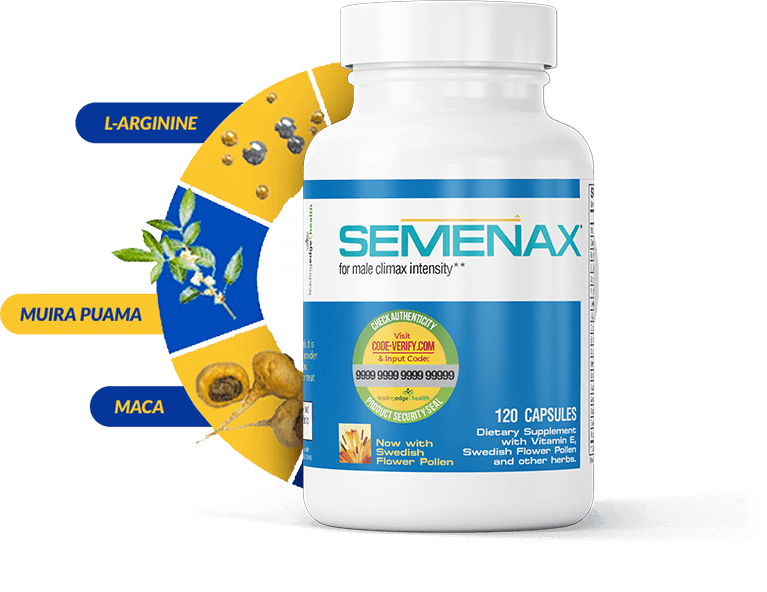
Semenax™ Volume & Vitality Formula
- Designed to work seamlessly with male physiology to provide specialized nutritional support
- Encourages consistent performance, physical endurance, and natural bodily balance
- Manufactured in a cGMP-compliant, FDA-registered facility without synthetic interventions
Leafy greens contain high levels of these specific carotenoids. Preparing them with a healthy source of fat ensures that these fat soluble compounds reach the bloodstream. Adding a drizzle of olive oil or a few slices of avocado changes the bioavailability of your meal.
| Food Source | Pigment Profile | Preparation Tip |
| Kale | Extremely Dense | Sauté with oil |
| Orange Peppers | Highly Concentrated | Eat lightly steamed |
| Egg Yolks | Bioavailable Form | Keep yolks runny |
The Biological Role Of Retinal Carotenoids
The human retina contains a specialized area called the macula. This region is responsible for our sharpest central vision. It functions like a biological filter that blocks blue light before it reaches sensitive photoreceptor cells.
Light waves carry energy that can stress the back of the eye over long periods. Our internal pigments neutralize this stress through a process of light absorption. Data published by the National Institutes of Health explains how these pigments function as a natural optical filter for the retina.
We cannot manufacture these compounds on our own. We rely entirely on the foods we consume to maintain these vital stores. A consistent intake helps replenish the supplies that diminish through natural aging processes.
Practical Daily Planning For Ocular Health
Developing a routine requires simple swaps in your kitchen. Start by adding one serving of deep green vegetation to your lunch. Spinach or collard greens serve as excellent options for this purpose.
Do not forget the power of yellow and orange produce. Corn, orange bell peppers, and carrots provide the necessary variety to ensure a full spectrum of carotenoid intake. Variety serves as the best insurance policy for nutrient density.
Keep your kitchen stocked with eggs. The fat content in the yolk provides the perfect carrier for the pigments present in the egg. This combination creates a natural delivery system for your visual health needs.
Understanding The Role Of Fat In Nutrient Absorption
Many individuals make the mistake of eating their vegetables plain. This approach limits the amount of nutrients the body actually pulls from the food. These specific pigments require lipids to transition from the gut into the blood.
Think of fats as a key to a locked door. Without the fat, the nutrients remain trapped inside the plant fibers. A simple vinaigrette or a handful of nuts makes a significant difference in your daily intake.
Recent studies from the Harvard T.H. Chan School of Public Health suggest that dietary fat quality plays a role in how we absorb fat soluble vitamins and pigments. Choose monounsaturated fats like olive oil for the best results. These oils provide a stable base for your salads and cooked greens.
Calculating Your Daily Intake Requirements
Nutrition tracking helps clarify if you are meeting your goals. You do not need to measure every single gram of food. Focus on the cumulative effect of your weekly choices instead.
Consider a simple math model for your daily plate. Aim for two cups of dark leafy greens. Add half a cup of colorful peppers or corn to that same meal. This combination provides a substantial amount of the target pigments.
If you consume a total of 15 milligrams of combined carotenoids, you are providing ample support for your retinal tissues. Spread this throughout your three main meals. Consistent smaller doses perform better than one single massive meal.
Frequently Asked Questions
How does age affect the concentration of these eye pigments?
Natural stores of macular pigments tend to decline as we move through different life stages. The cumulative effect of light exposure over many decades creates a steady demand for these protective compounds.
Maintaining a high intake of colorful vegetation becomes more important as the body becomes less efficient at recycling existing stores. Consistent dietary focus acts as a proactive measure against these age related changes.
Can I get enough of these nutrients from a juice cleanse?
Juicing often removes the fiber and the healthy fats that are necessary for proper pigment absorption. You miss out on the lipids found in whole foods like avocados or egg yolks when you only consume the liquid portion of fruits and vegetables.
Solid meals provide a more complete package of nutrients that work together. A balanced plate with healthy fats remains a superior strategy for supporting central vision compared to liquid consumption alone.
What is the relationship between blue light and pigment depletion?
Digital screens emit a specific spectrum of light that puts a high amount of strain on the retinal cells. This light forces the macula to work harder to neutralize the incoming energy.
When the macula is well stocked with protective pigments, it can better handle this constant exposure. A lower level of pigment makes the eye more susceptible to the stress caused by modern screen usage.
Are there any specific cooking methods that preserve these nutrients?
Gentle heating is often better than intense, prolonged cooking. Steaming or quick sautéing maintains the structural integrity of the vegetable while breaking down cell walls just enough to release the pigments.
Avoid boiling vegetables in large amounts of water for long periods. Much of the beneficial content can leach into the water and be lost. Use minimal water or roast your produce to retain the highest possible nutrient value.
How long does it take to notice changes in visual comfort?
Nutritional shifts do not produce overnight results in visual perception. It takes several weeks or months of consistent dietary habits for these pigments to reach significant concentrations in the eye.
The process involves a slow accumulation that builds up over time. Stay patient and maintain your routine for at least three months to gauge the impact on your general visual comfort.
The Bottom Line
Supporting your central vision requires a focus on nutrient dense foods that provide essential protection for your eyes. By prioritizing dark greens and colorful produce alongside healthy fats, you create an environment where your eyes can thrive despite constant light exposure. You now understand how to naturally boost zeaxanthin for central vision clarity through simple dietary adjustments.
Commit to adding one extra serving of colorful vegetables to your plate every day this week. Focus on consistent intake to provide your eyes with the long term support they need for clear vision. Never stop or change any medication without consulting the provider who recommended it. Consult a licensed healthcare provider before starting any new wellness routine.
Get Your FREE Natural Health Guide!
Subscribe now and receive our exclusive ebook packed with natural health tips, practical wellness advice, and easy lifestyle changes, delivered straight to your inbox.