Calming Neural Pathways With Acupressure Points For Ears
Most of us recognize the feeling of mounting tension that settles behind the eyes and across the shoulders during a long afternoon. This shared human struggle often leads to restless habits or a general inability to find a quiet mental space. Our bodies possess internal maps that allow us to address these signals through simple, direct physical engagement.
The practice of focusing on specific regions of the outer ear serves as a bridge between physical sensation and mental state. By applying consistent, gentle pressure to these mapped zones, individuals can encourage a shift in their nervous system. This accessible technique provides a quiet moment of focus without requiring equipment or specialized environments.
Acupressure points for ears are specific areas on the pinna that map to different regions of the body to support relaxation. By applying firm, steady pressure to these zones, individuals may help regulate their stress response and invite a sense of calm. This approach remains a popular tool for those seeking non-invasive ways to manage daily pressure.
Key Takeaways
- Clinical studies from the National Institutes Of Health indicate that ear stimulation may influence autonomic nervous system activity.
- The human ear contains over 100 distinct reflexology points that correspond to different internal organs and physiological systems.
- Data from the National Library Of Medicine suggests that consistent pressure application can lead to measurable changes in perceived stress levels for many participants.
Understanding The Anatomy Of Ear Reflexology
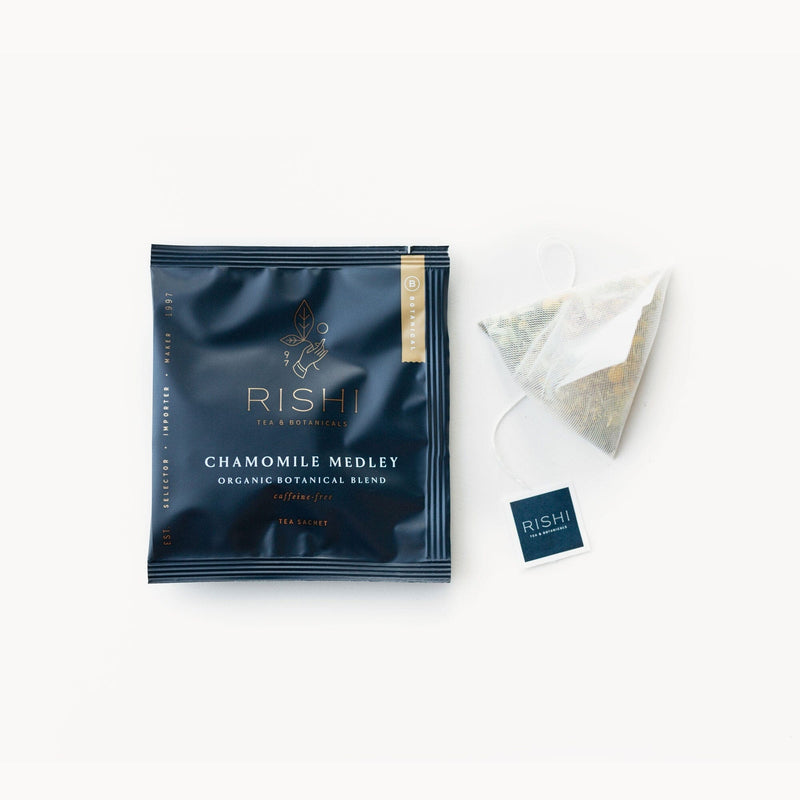
Rishi Chamomile Medley™ Botanical Blend
- Targeted botanical blend designed to work with your body's natural evening rhythms
- Supports a calm state of mind and consistent physical relaxation after a high-demand day
- Formulated for a smooth evening transition without relying on heavy synthetic sleep aids
The outer ear functions like a micro-map of the entire body. Ancient traditions view the ear as an inverted fetus, where the lobe corresponds to the head and the inner ridges mirror the spine and internal organs. When you touch these areas, you are essentially signaling the brain through the cranial nerves.
The vagus nerve is the primary connection point located within the ear canal and the surrounding cartilage. This nerve manages the parasympathetic response, which acts as the body-wide brake pedal for the fight-or-flight cycle. Engaging this area allows you to transition away from high-alert states naturally.
Daily Application Of Specific Reflexology Zones
Effective engagement requires consistency and a light touch. You do not need strong force to achieve a shift in your internal state. Follow these specific steps to locate and activate the primary calming areas on your ears.
- Shen Men Point: Locate the triangular hollow in the upper third of the ear. Use your index finger to apply gentle, circular pressure to this depression. This area is widely recognized in wellness circles for its connection to overall spirit and mental clarity.
- The Kidney Point: Find the cartilage shelf just above the ear canal opening. Press this area softly to support feelings of stability and grounding. This zone is often used by individuals who feel uncentered during chaotic days.
- Point Zero: Identify the center point of the ear where the outer rim curves inward. Hold this area for one minute while taking slow, deep breaths. This spot acts as a central reset button for the entire autonomic system.
A Systematic Comparison Of Activation Methods
Different approaches offer varying levels of intensity. You might prefer one method over another based on your surroundings or the time of day. Use the table below to decide which technique fits your current needs.
| Method | Intensity Level | Primary Benefit |
|---|---|---|
| Finger Pressure | Low | Highly portable access |
| Magnetic Beads | Medium | Consistent tactile feedback |
| Seed Application | High | Prolonged stimulation duration |
Demonstrating The Two-Minute Reset Sequence
You can execute a complete reset sequence in exactly two minutes. This routine requires no preparation and works in almost any setting. Begin by sitting comfortably with your back straight and your shoulders relaxed.
Spend sixty seconds on the Shen Men point using your index finger. Use a steady, rhythmic motion that mirrors the cadence of your resting heart rate. Switch to the Point Zero area for the remaining sixty seconds, focusing entirely on the sensation of warmth under your fingertips.
Research published by the United States Department of health-related resources highlights that repetitive, non-painful stimulation encourages focus. Notice how your breathing slows down during this two-minute window. Repeat this cycle up to three times if you feel your tension lingering.
Barriers To Successful Practice
Many individuals fail to see benefits because they press too hard. You should never experience sharp pain during this practice. If your skin feels irritated, stop immediately and try a different location.
Distraction is another common hurdle. Try closing your eyes to sharpen your internal awareness. The goal is to connect your breath with the physical sensation of the pressure.
Consistency matters more than intensity. Dedicate a specific time during your day to perform these movements. Making this a ritual helps your brain associate the action with immediate rest.
Frequently Asked Questions
How Often Should I Stimulate These Zones?
You can engage these areas whenever you feel the need for a mental shift. Most individuals find that practicing for two minutes once or twice a day provides enough support to maintain a balanced state.
There is no strict upper limit, but you should avoid over-stimulating the same spot to prevent skin sensitivity. If you notice redness or soreness, give the area a full day of rest before trying again.
Can I Use Tools To Apply Pressure?
Using small tools like rounded glass rods or clean, dull-edged objects is acceptable if you have limited finger mobility. Ensure that any tool used is cleaned regularly to maintain skin hygiene.
Avoid any sharp items that could puncture or scratch the delicate cartilage of the ear. Your fingers remain the safest and most effective tool for everyday use.
Is There A Best Time For This Practice?
Morning sessions help you set a calm intention for the day ahead. Many people also find relief by performing these movements in the early evening to signal to their body that the workday is ending.
Listen to your internal rhythm to determine when you need this reset the most. Consistency at the same time every day often yields the best results for habit formation.
Why Does My Ear Feel Warm Afterward?
The sensation of warmth is a positive sign of increased blood flow to the area. This indicates that your nerves are responding to the stimulation you provided.
This warmth often spreads to the neck and face, which encourages the muscles in these areas to release tension. Embrace this feeling as a signal that your nervous system is shifting gears.
What If I Do Not Feel Any Changes?
Lack of immediate sensation does not mean the practice is not working. The physiological effects often operate below the level of conscious awareness.
Continue to practice with a neutral expectation for at least one week. Small, cumulative changes in your stress response are often more sustainable than sudden, dramatic shifts.
The Bottom Line
Engaging these mapped areas provides a simple, direct path to managing your daily state. By focusing on consistent and gentle pressure, you can invite a sense of stability into your life without needing external resources.
Acupressure points for ears serve as a reminder that the tools for wellness are often within reach. Incorporate this brief routine into your schedule to observe how your body responds to intentional, quiet focus.
Never stop or change any medication without consulting the provider who recommended it. Consult a licensed healthcare provider before starting any new wellness routine.
Get Your FREE Natural Health Guide!
Subscribe now and receive our exclusive ebook packed with natural health tips, practical wellness advice, and easy lifestyle changes, delivered straight to your inbox.